
Proverbs 31:4 is about the responsibility of kings and leaders to exercise self-discipline and avoid behavior that clouds their judgment and undermines their ability to rule justly.
4 It is not for kings, O Lemuel, it is not for kings to drink wine, or for rulers to take strong drink,
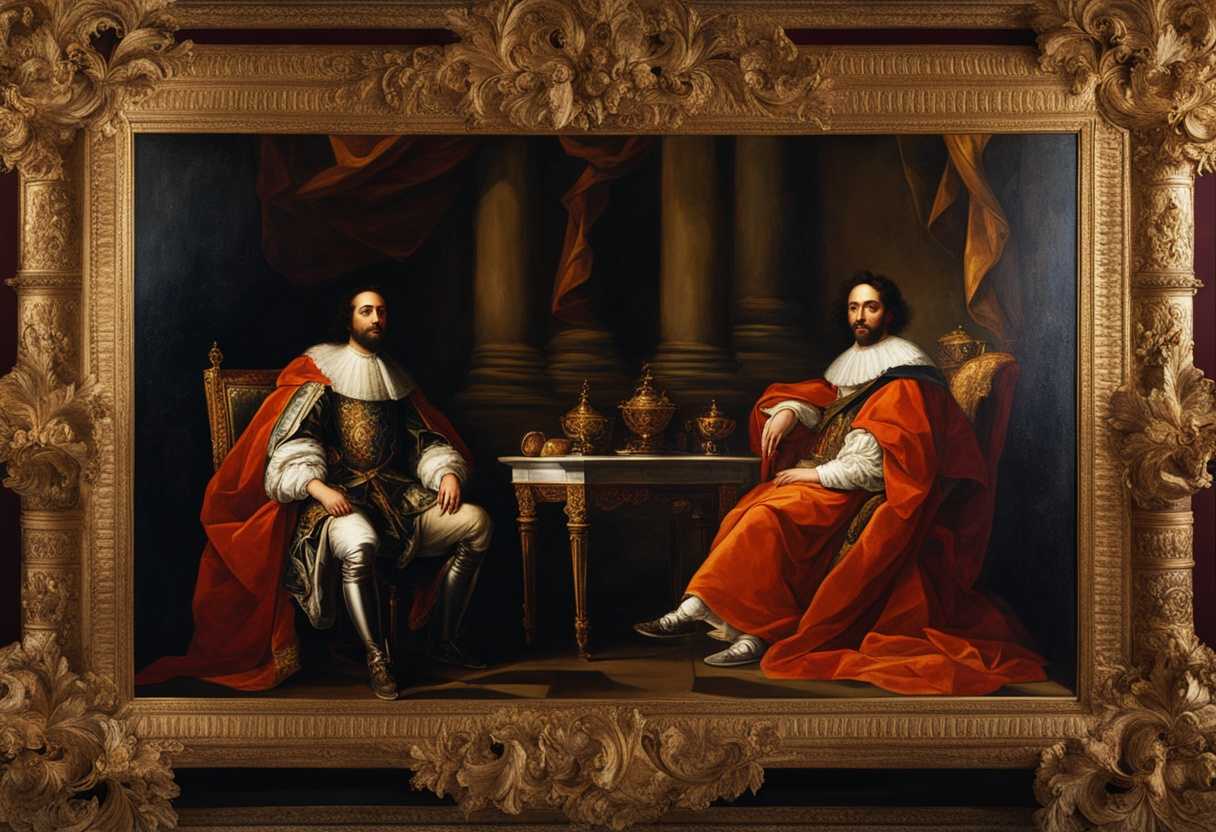
Setting the Scene for Proverbs 31:4
In Proverbs chapter 31, we find King Lemuel recounting the advice his mother gave him. The scene is set in the royal chambers of the palace, where King Lemuel is seated on his throne, surrounded by his advisors and courtiers. His mother, Queen Mother Bathsheba, stands before him, imparting her wisdom and guidance.
The room is adorned with rich tapestries and golden ornaments, reflecting the opulence of the royal court. The air is filled with the scent of burning incense, creating a sense of solemnity and reverence. King Lemuel listens intently as his mother speaks, her words carrying the weight of her years of experience and knowledge.
The scene is one of familial love and respect, as Queen Mother Bathsheba implores her son to rule with justice and righteousness. The courtiers and advisors look on with admiration, recognizing the wisdom of the queen mother’s words. It is a moment of instruction and reflection, as King Lemuel prepares to take on the responsibilities of his reign with the guidance of his mother’s teachings.
What is Proverbs 31:4 about?
This verse from Proverbs serves as a powerful reminder for leaders to fulfill their duty to uphold justice and defend the rights of the oppressed. It highlights the importance of using one’s power and influence to protect those who are vulnerable and marginalized in society. Leaders are also called to ensure fairness and equality for all, just as they are tasked with making difficult decisions and exercising authority.
Think about the immense impact a leader can have on the lives of those they govern. How can they create a more just and equitable society? How can they use their position to support and advocate for those in need? The message of this verse encourages leaders to act with integrity, compassion, and a deep sense of responsibility towards those who are most in need of their protection and advocacy. It challenges them to consider the consequences of their actions and to prioritize the well-being of all members of their community.
Understanding what Proverbs 31:4 really means
Proverbs 31 is a treasure trove of wisdom, often celebrated for its depiction of the virtuous woman. However, nestled within its verses are pearls of guidance for leaders, especially kings. In verse 4, we encounter a poignant message from King Lemuel’s mother, emphasizing the weighty responsibility that comes with leadership.
“It is not for kings, Lemuel—” This opening phrase sets the tone for the high standards expected of those in positions of authority. Leaders, like kings, are held to a heightened level of accountability, where their actions carry significant consequences. The admonition continues, highlighting that it is “not for kings to drink wine,” symbolizing the dangers of indulgence and a lack of self-control. Leaders are urged to steer clear of anything that could cloud their judgment and lead them astray.
Similarly, the caution against rulers craving beer reinforces the importance of sobriety and clear-mindedness in governance. The parallel drawn between alcohol consumption and impaired decision-making serves as a timeless reminder of the perils of recklessness in leadership. Ephesians 5:18 echoes this sentiment, warning against the pitfalls of drunkenness and advocating for a spirit-filled life that fosters wisdom and discernment.
Drawing a parallel to 1 Timothy 3:2-3, which outlines the virtues expected of church leaders, we see a consistent theme of temperance and self-control. The biblical narrative consistently underscores the significance of leaders embodying these qualities to fulfill their roles effectively and honorably. In a world where the spotlight often shines on those in power, the relevance of Proverbs 31:4 resonates deeply.
Today, whether in governmental offices, corporate boardrooms, or the sanctity of one’s home, the principle of maintaining clear judgment and self-control remains paramount. Leaders, in all spheres of influence, are called to emulate the wisdom imparted in Proverbs 31:4, recognizing that their decisions impact not only themselves but also those under their care. The verse stands as a beacon, guiding individuals in positions of responsibility to navigate with prudence and foresight.
Consider a CEO tasked with steering a company through turbulent times. The weight of their decisions affects livelihoods and futures. Should this leader succumb to the allure of excessive indulgence, the ripple effects could be catastrophic. Likewise, a parent entrusted with nurturing and guiding their children must embody the virtues of self-restraint and clarity to provide a stable foundation for their family.
In conclusion, Proverbs 31:4 serves as a clarion call for leaders to exercise self-control and shun behaviors that jeopardize their discernment. This timeless counsel transcends eras and cultures, reminding us that authentic leadership demands a steadfast commitment to sound judgment and moral integrity. As we navigate the complexities of our roles and responsibilities, let us heed the wisdom encapsulated in this verse, striving to lead with grace, wisdom, and unwavering resolve.
How does alcohol affect our judgment and decision-making capabilities?
Alcohol can impair our judgment and decision-making capabilities by clouding our thinking and lowering our inhibitions. When under the influence, our ability to assess situations accurately and make sound decisions is compromised. This can lead to risky behavior, poor choices, and a lack of control over our actions. Alcohol can ultimately distort our perception of reality and cause us to act in ways we may not have if sober. It is important to be aware of these effects and exercise caution when consuming alcohol to ensure that our judgment and decision-making remain intact.
Application
Dear friend, just as kings and rulers are called to uphold justice, so too are we called to strive for fairness in our own lives. Let us be the champions of righteousness in our homes, at work, and in our communities. Let us not shy away from confronting injustice, but instead, let us actively work towards creating a world where equality and justice prevail. Will you join me in answering the call to stand up for what is right in every aspect of our lives?

Reverend Michael Johnson is an experienced Church Minister with a profound expertise in spirituality and guidance. With a serene presence and a compassionate heart, he has faithfully served his congregation for over 20 years, leading them on a spiritual journey towards inner peace and enlightenment. Reverend Johnson’s extensive knowledge of religious philosophies and profound understanding of human nature have made him a trusted confidant and mentor to many, as he seamlessly weaves his profound wisdom into life teachings. Reverend Johnson’s calming demeanor and empathetic nature continue to uplift and heal souls, nurturing a sense of unity and tranquility within his community.