
1 Sing aloud to God our strength;
shout for joy to the God of Jacob!
2 Raise a song; sound the tambourine,
the sweet lyre with the harp.
3 Blow the trumpet at the new moon,
at the full moon, on our feast day.
4 For it is a statute for Israel, a rule of the God of Jacob.
5 He made it a decree in Joseph
when he went out over the land of Egypt.
6 “I relieved your shoulder of the burden;
your hands were freed from the basket.”
7 In distress you called, and I delivered you;
I answered you in the secret place of thunder;
I tested you at the waters of Meribah.
8 Hear, O my people, while I admonish you! O Israel, if you would but listen to me!
9 There shall be no strange god among you; you shall not bow down to a foreign god.
10 I am the Lord your God, who brought you up out of the land of Egypt. Open your mouth wide, and I will fill it.
11 “But my people did not listen to my voice;
Israel would not submit to me.
12 So I gave them over to their stubborn hearts,
to follow their own counsels.
13 Oh, that my people would listen to me,
that Israel would walk in my ways!
14 I would soon subdue their enemies
and turn my hand against their foes.
15 Those who hate the Lord would cringe toward him,
and their fate would last forever.
16 But he would feed you with the finest of the wheat,
and with honey from the rock I would satisfy you.”
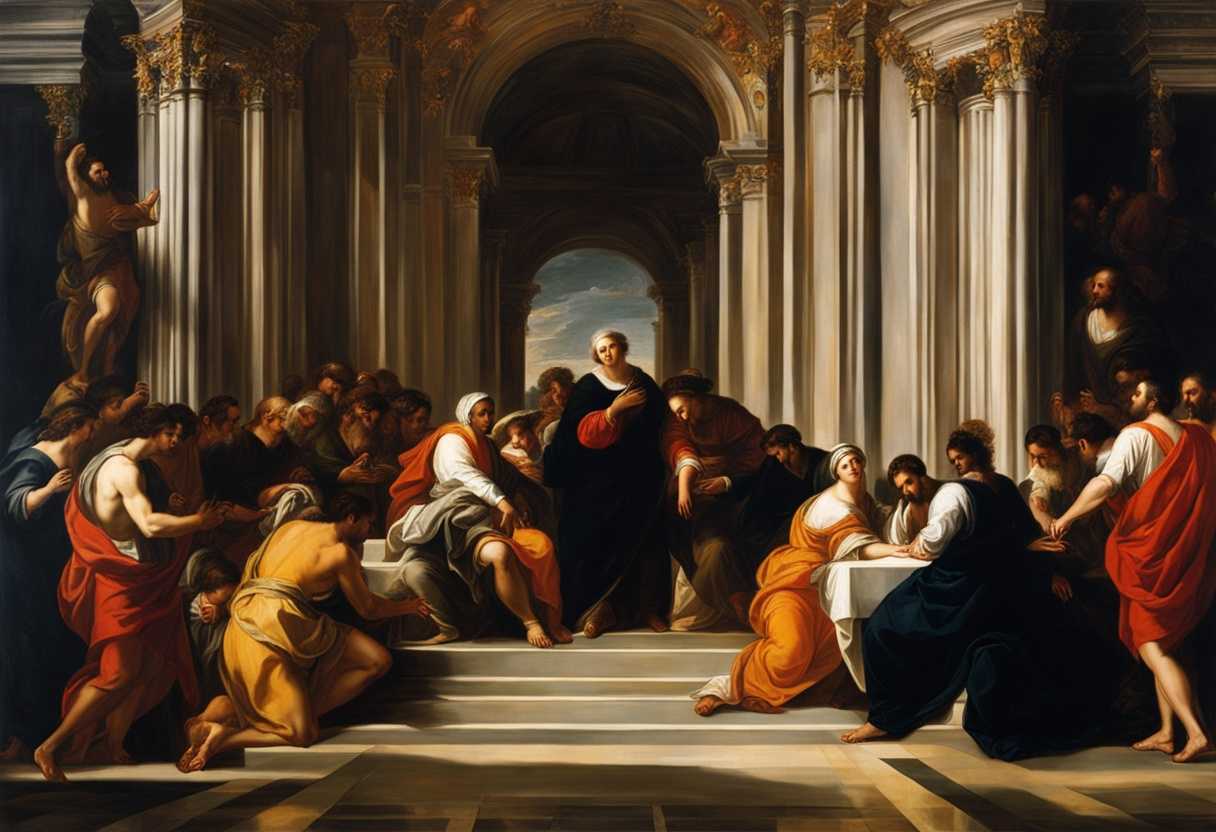
The True Meaning of Psalms 81
The Book of Psalms is a collection of sacred songs and prayers attributed to various authors, including King David, who is believed to have written the majority of the psalms. Psalm 81 is a call to worship and a reminder of God’s faithfulness to His people. The author of this psalm, likely a Levite or temple musician, invites the Israelites to celebrate the Feast of Tabernacles, a joyous festival commemorating God’s provision and protection during the Israelites’ journey through the wilderness. The psalm recounts God’s past deliverance of the Israelites from Egypt and His desire to bless them, if only they would obey His commands.
The passage also foreshadows the consequences of the Israelites’ disobedience and their eventual rejection of God’s guidance. This theme is echoed in other biblical books, such as Judges and the prophetic writings, where the Israelites’ unfaithfulness leads to their downfall and captivity. We reflect on this psalm, reminding us of the importance of heeding God’s voice and walking in obedience to His commands. The blessings and protection He offers are contingent upon our willingness to trust and follow Him. May this psalm inspire us to renew our commitment to the Lord and to seek His guidance in all aspects of our lives.
Psalms 81:1-5
The verses in Psalms 81:1-5 can be broken down into several important sections. Firstly, the psalmist begins by calling for praise and worship to God, stating, “Sing aloud to God our strength; make a joyful shout to the God of Jacob!” The mention of Jacob is significant as it refers to the patriarch whose name was changed to Israel. Jacob played a pivotal role in the history of Israel, and his descendants formed the twelve tribes of Israel. The psalmist is reminding the people of their heritage and the covenant relationship God established with their forefathers by invoking the name of Jacob.
The following verses emphasize the importance of worship and celebration, with references to the blowing of trumpets, the use of the tambourine, and the harp. These instruments were commonly used in biblical times for praising and worshipping God. The psalmist is encouraging the people to express their gratitude and adoration for God through music and song, highlighting the joy that comes from worshipping the Lord. The psalmist mentions the observance of key dates in the religious calendar of Israel, specifically the appointed feast days in verse 3. These feast days were integral to the Israelite’s worship and served as reminders of God’s faithfulness, provision, and deliverance throughout their history. The feasts were times of celebration, remembrance, and spiritual renewal for the people of Israel, reinforcing their identity as God’s chosen nation. The mention of the new moon and the full moon in verse 4 of the psalm further underscores the significance of these celestial events in the religious life of ancient Israel as the psalm progresses. The phases of the moon were used to determine the timing of various religious observances and festivals, illustrating the meticulous attention to detail and adherence to God’s commands by the Israelites. Psalms 81:1-5 conveys a message of exhortation to the people of Israel to remember their history, engage in joyful worship, and observe the divine appointments set by God. Through music, celebration, and adherence to religious practices, the psalmist calls the people to deepen their connection with God and honor Him in all aspects of their lives. The timeless message of these verses resonates with believers today, reminding them of the importance of praising God, celebrating His faithfulness, and maintaining a steadfast commitment to spiritual disciplines.
Psalms 81:6-10
Several important sections in Psalms 81:6-10 shed light on the relationship between God and the children of Israel. Let’s break it down to understand the depth of its meaning.
Starting with verse 6: “I heard an unknown voice say: I took the burden off your shoulders; your hands were set free from the basket.” This verse is a reminder of God’s deliverance of the Israelites from slavery in Egypt. The “unknown voice” refers to the voice of God, who intervened on behalf of His people to release them from the heavy burden of slavery and oppression under the Egyptians. The image of hands being set free from the basket symbolizes liberation and freedom from the toil and hardship they endured in Egypt. I rescued you when you called in distress, answered you out of a thundercloud, and tested you at the waters of Meribah in the next section of verse 7.” Here, the psalmist reflects on God’s faithfulness in responding to the cries of His people in times of distress. The reference to the “thundercloud” recalls the dramatic event at Mount Sinai when God spoke to Moses amidst thunder and lightning (Exodus 19:16-25). The testing at the waters of Meribah refers to the incident in the wilderness where the Israelites grumbled against Moses and God provided water from a rock after Moses struck it (Exodus 17:1-7).
Then in verses 8-9, the psalmist conveys God’s plea to His people: “Hear me, my people, and I will warn you— if you would only listen to me, Israel! You shall have no foreign god among you; you shall not worship any god other than me.” This section emphasizes God’s desire for the Israelites to remain faithful to Him and not turn to foreign gods or idols. Throughout the history of Israel, idolatry was a recurring problem that led them away from the true worship of God. This call to exclusive devotion echoes the first commandment given to Moses on Mount Sinai: “You shall have no other gods before me” (Exodus 20:3).
Lastly, in verse 10, God makes a promise to His people: “I am the Lord your God, who brought you up out of Egypt. Open wide your mouth and I will fill it.” This verse showcases God’s provision and sustenance for His people. God reassures the Israelites that He has the power and ability to meet all their needs by reminding them of His deliverance from Egypt. The imagery of “open wide your mouth and I will fill it” illustrates God’s abundance and willingness to satisfy His people’s hunger and thirst, both physically and spiritually. Psalms 81:6-10 serves as a powerful reminder of God’s faithfulness, deliverance, call to exclusive worship, and provision for His people. The lessons drawn from these verses are timeless, encouraging believers to trust in God’s sovereignty, remain faithful in their worship, and rely on His unfailing care and provision.
Psalms 81:11-16
God expresses his disappointment in the people of Israel in Psalms 81:11-16, opening with the words: “But my people did not listen to my voice; Israel would not submit to me.”” Here, God is lamenting the disobedience of the Israelites, despite all the blessings and guidance He had bestowed upon them. Throughout the history of Israel, we see a pattern of God’s people turning away from Him and following their own desires, only to face the consequences of their actions.
The next section continues with God allowing the people to follow their own stubborn hearts: “So I gave them over to their stubborn hearts, to follow their own counsels.” This highlights God’s respect for human free will and His willingness to let people make their own choices, even when they are contrary to His desires. This can be seen as a cautionary tale for believers to always be mindful of following God’s will and not falling into the trap of pride and rebellion.
The verse pivots to a reminder from God of what could have been: “Oh, that my people would listen to me, that Israel would walk in my ways!” Here we see God’s earnest desire for His people to heed His voice and walk in His ways. This longing for a deep, faithful relationship with His people echoes throughout the Bible, showcasing God’s unwavering love and yearning for His creation to be in communion with Him.
God then promises blessings and protection if they choose to obey Him: “I would soon subdue their enemies and turn my hand against their foes.” This emphasizes the importance of obedience and the direct correlation between following God’s commandments and experiencing His divine protection and provision. The concept of obedience leading to blessings and disobedience resulting in consequences is a prevalent theme in the Bible, serving as a timeless reminder for believers to remain faithful to God’s teachings.
The final section of the verse ends on a note of divine promise: “Those who hate the Lord would cringe toward him, and their fate would last forever.” This serves as a reassurance of God’s ultimate victory and judgment over those who reject Him. The notion of eternal consequences for those who turn away from God underscores the biblical principle of accountability and underscores the importance of choosing to align oneself with God’s will. Psalms 81:11-16 serves as a powerful reflection on the consequences of disobedience, the significance of heeding God’s voice, the rewards of obedience, and the assurance of God’s ultimate justice. It serves as a poignant reminder for believers to remain steadfast in their faith, to listen to God’s guidance, and to trust in His promises of protection and provision.
After Psalms 81
The chapter concluded with a call for the people to listen to God’s voice and obey His commands. The psalmist reminded them of how God had delivered their ancestors from Egypt and provided for them in the wilderness. Yet, the people had turned away from God and followed their own desires. I, as the reverend, now stand before you, urging you to heed the lessons of the past. Will we, like our forefathers, turn a deaf ear to God’s voice? Or will we humble ourselves, repent of our sins, and return to the Lord who has been faithful to us generation after generation? The choice is ours, but the consequences will affect us all. Now let us turn our hearts to the next chapter, where we will see the outcome of our decision.

Reverend Michael Johnson is an experienced Church Minister with a profound expertise in spirituality and guidance. With a serene presence and a compassionate heart, he has faithfully served his congregation for over 20 years, leading them on a spiritual journey towards inner peace and enlightenment. Reverend Johnson’s extensive knowledge of religious philosophies and profound understanding of human nature have made him a trusted confidant and mentor to many, as he seamlessly weaves his profound wisdom into life teachings. Reverend Johnson’s calming demeanor and empathetic nature continue to uplift and heal souls, nurturing a sense of unity and tranquility within his community.