
Revelation 21:12 is about the New Jerusalem as a symbol of the perfection and completeness of God’s eternal kingdom.
12 It had a great, high wall, with twelve gates, and at the gates twelve angels, and on the gates the names of the twelve tribes of the sons of Israel were inscribed—
Setting the Scene for Revelation 21:12
In Revelation chapter 21, the scene is set in a vision of the new Jerusalem, a city described as coming down out of heaven from God. The apostle John, who is the author of the book of Revelation, is the one witnessing this vision. He sees the city with twelve gates, each gate made of a single pearl, and the city itself is made of pure gold, shining like glass.
As John looks around, he sees the names of the twelve tribes of Israel written on the gates, signifying that the city is for the people of God. The angel who is guiding John in this vision explains to him the measurements and the design of the city, emphasizing its perfection and beauty. The scene is one of awe and wonder, as John beholds the glory of the new Jerusalem, a place where God will dwell with His people for eternity.
Surrounded by the brilliance of the city, John is filled with a sense of peace and joy, knowing that this is the ultimate fulfillment of God’s promises to His people. The scene is a powerful reminder of the hope and assurance that believers have in the future, where there will be no more pain, sorrow, or death, but only the presence of God and His eternal kingdom.
What is Revelation 21:12 about?
This verse is symbolic of unity and inclusion. The image of the New Jerusalem with twelve gates, each named after one of the twelve tribes of Israel, represents a vision of a community where all are welcome and valued. Just like how each gate is named after a different tribe, highlighting the diversity within the community, it also signifies that regardless of one’s background or origin, there is a place for them in this new, harmonious city. Consider how the number twelve is significant in this context. Why do you think there are specifically twelve gates and tribes mentioned? It emphasizes the idea that diversity is not just accepted but celebrated in this new spiritual realm by naming each gate after a different tribe. It is a reminder that no matter where we come from or what our background is, we are all part of a unified whole, working together for a greater purpose. This verse is not just about physical gates but about the gates to our hearts, minds, and souls. How can we apply this message of inclusivity and unity in our own lives and communities?
Understanding what Revelation 21:12 really means
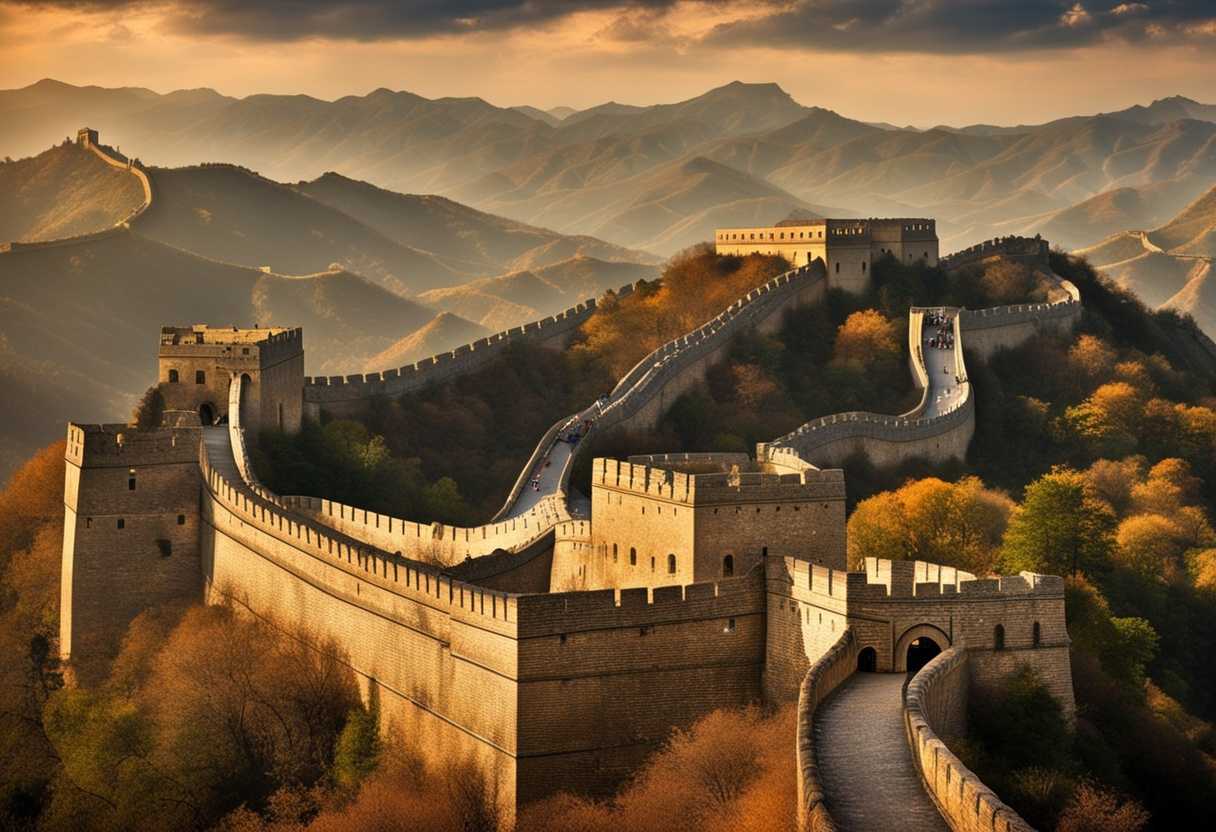
In Revelation 21:12, we are transported into the visionary realm of John, where he beholds the New Jerusalem, a symbol of God’s ultimate promise to His people. This verse is nestled within John’s grand vision of the new heaven and new earth, portraying the eternal dwelling place where God will reside among His beloved. The imagery of “a great, high wall” in the verse signifies not only protection and security but also the clear demarcation between the sacred and the worldly, highlighting the sanctity of God’s abode. The mention of “twelve gates” within the wall speaks to the accessibility and completeness of God’s divine plan, as the number twelve frequently denotes wholeness and perfection in the biblical context.
Furthermore, the presence of “twelve angels at the gates” serves as a powerful symbol of divine guardianship and the continuous watchfulness of God’s messengers over His people. The inscription of “the names of the twelve tribes of the sons of Israel” on the gates underscores the inclusivity of God’s eternal kingdom, encompassing all His faithful followers from both the Old and New Covenants. This linkage between the past and the present, between the Old Testament and the New Testament, showcases the continuity and fulfillment of God’s redemptive narrative throughout history.
Drawing parallels with other biblical passages enriches our understanding of Revelation 21:12. Ezekiel 48:31-34 mirrors the naming of the gates after the tribes of Israel, emphasizing the consistency in God’s divine plan across different prophetic visions. Hebrews 11:10 connects the patriarchs’ faith in the promised city to the vision of the New Jerusalem, highlighting the enduring hope and trust in God’s ultimate fulfillment of His promises. In John 10:9, Jesus identifies Himself as the gate, underscoring that access to God’s kingdom is solely through Him, reinforcing the exclusivity of salvation through Christ.
The relevance of Revelation 21:12 extends to contemporary believers in profound ways. In a world fraught with uncertainties and dangers, the imagery of a secure and protected city offers solace and reassurance of God’s ultimate security and peace. The symbolism of the twelve gates and the tribes’ names conveys a message of inclusivity and belonging, assuring all believers of their place in God’s eternal kingdom. Moreover, the presence of angels at the gates serves as a reminder of God’s constant guidance and protection in our daily lives, instilling a sense of divine presence amidst life’s challenges.
Consider a community endeavor where individuals unite to create a safe space, akin to a neighborhood watch or a community center. This narrative mirrors the essence of the New Jerusalem as a haven where God’s people are shielded and united in love and protection. Such communal efforts not only foster security but also cultivate a sense of belonging and support, echoing the unity and inclusivity found in God’s eternal kingdom. This shared security and community spirit can serve as a beacon of hope and strength for individuals navigating personal trials and tribulations in the present day.
In conclusion, Revelation 21:12 offers believers a glimpse of the hope and assurance found in God’s eternal promises. Let us find comfort in the certainty of God’s protection and the welcoming embrace of His kingdom. As we reflect on this vision of the New Jerusalem, may we be inspired to cultivate a sense of security and community in our own spheres, embodying the essence of God’s inclusive and protective love towards all His children.
How can we prepare our hearts for the New Jerusalem?
To prepare our hearts for the New Jerusalem, we need to focus on living a life that is pleasing to God. This involves cultivating a deep relationship with Him through prayer, worship, and obedience to His commandments. We align our hearts with the values and principles of the kingdom of God by continuously seeking to grow in faith and purity.
Furthermore, we must prioritize love and unity in our relationships with others. Jesus emphasized the importance of love, forgiveness, and reconciliation, and these virtues will be central in the eternal city. Striving to be peacemakers, showing kindness and compassion, and serving others selflessly are all ways to prepare our hearts for the unity and harmony of the New Jerusalem.
Lastly, it is crucial to keep our focus on eternal treasures rather than temporary worldly possessions. We prepare our hearts for the splendor and magnificence of the New Jerusalem by placing our hope in the promises of God and storing up treasures in heaven, where our true home and ultimate fulfillment await.
Application
Let the blueprint of the new Jerusalem ignite a fire within you. Strive for righteousness and holiness like the intricate details described. Let this vision inspire you to build your life on a foundation of faith. Will you answer the call to create a heaven on earth within your own heart and soul?

Reverend Michael Johnson is an experienced Church Minister with a profound expertise in spirituality and guidance. With a serene presence and a compassionate heart, he has faithfully served his congregation for over 20 years, leading them on a spiritual journey towards inner peace and enlightenment. Reverend Johnson’s extensive knowledge of religious philosophies and profound understanding of human nature have made him a trusted confidant and mentor to many, as he seamlessly weaves his profound wisdom into life teachings. Reverend Johnson’s calming demeanor and empathetic nature continue to uplift and heal souls, nurturing a sense of unity and tranquility within his community.