
Revelation 8:3-4 is about the prayers of the saints ascending before the throne of God as incense, demonstrating the believers’ heartfelt cries and petitions reaching the divine presence and stirring up divine action.
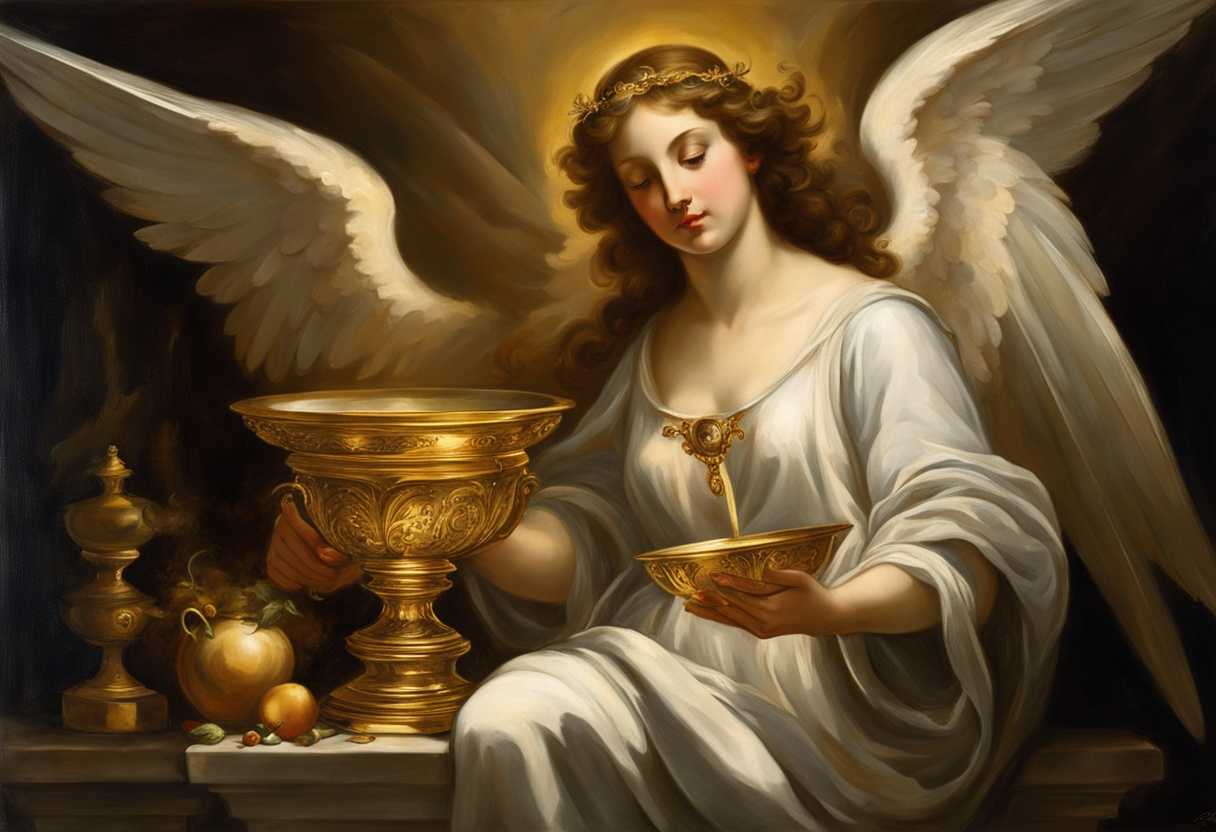
3 And another angel came and stood at the altar with a golden censer, and he was given much incense to offer with the prayers of all the saints on the golden altar before the throne,
4 And the smoke of the incense, with the prayers of the saints, rose before God from the hand of the angel.
Setting the Scene for Revelation 8:3-4
The scene in Revelation chapter 8 is set in heaven, where John witnesses a solemn and awe-inspiring moment. As he looks on, he sees seven angels standing before God, each given a trumpet. These angels are preparing to sound their trumpets, signaling the beginning of the judgments that will come upon the earth.
Surrounding the angels are other heavenly beings, including elders and living creatures, all bowing before the throne of God in reverence and anticipation of what is to come. The atmosphere is charged with a sense of gravity and importance as the angels stand ready to carry out God’s will.
John, the author of the book of Revelation, is present in this scene as well, being granted a vision of these events unfolding in heaven. He is a witness to the unfolding of God’s divine plan and the judgments that will be poured out on the earth in the days to come. The scene is one of heavenly majesty and divine authority, setting the stage for the dramatic events that will follow as the trumpets are sounded and the judgments are unleashed upon the earth.
What is Revelation 8:3-4 about?
This verse from the Book of Revelation is a powerful depiction of the intimate connection between the prayers of God’s people and His divine presence. The image of the prayers of the saints being offered with incense before God’s throne is symbolic of the reverence and significance of our prayers in the spiritual realm. It portrays a scene where our prayers are not only heard but also cherished by God, like a fragrant offering that rises up to His presence.
Have you ever thought about the impact and importance of your prayers in the grand scheme of God’s plan? This verse highlights the idea that our prayers are not just words spoken into the void but are actively received and acknowledged by God Himself. It reminds us that our prayers have the power to reach the very throne of God and that they are valued by Him.
When we engage in prayer, we are participating in a sacred and mysterious exchange with the divine. Our prayers are like incense, rising up before God, filling the spiritual atmosphere with our hopes, fears, and desires. This verse serves as a beautiful reminder of the closeness of our relationship with God through prayer and the comfort of knowing that our words are heard and treasured by Him.
Understanding what Revelation 8:3-4 really means
In the Book of Revelation, we are presented with a vivid account of heavenly visions given to John, unveiling profound truths and future events. Revelation 8:3-4 forms part of this intricate tapestry of divine revelation, where the seventh seal is opened, and the seven trumpets are poised to sound, signaling significant heavenly occurrences. At this juncture, we encounter an angel with a golden censer standing at the altar, a scene rich in symbolism and spiritual depth.
The imagery of the angel with the golden censer holds profound significance, representing the prayers of the saints. The golden censer, a vessel for burning incense, symbolizes the prayers of God’s people rising up before Him. It serves as a visual reminder of the intimate connection between the earthly realm of believers and the heavenly presence of God. The altar, a central element in biblical worship, signifies both divine presence and sacrificial atonement, underscoring the solemnity and reverence of the moment.
“He was given much incense to offer, with the prayers of all God’s people,” encapsulates the collective nature of prayer within the body of believers. Just as incense permeates the air with its fragrance, so do the prayers of the faithful ascend to God, filling the heavenly realms with their petitions and praises. This verse beautifully illustrates the unity and harmony of believers lifting their hearts and voices in prayer, creating a symphony of worship before the throne of God.
The smoke of the incense, mingling with the prayers of God’s people, ascends before God, symbolizing the acceptance and reception of their supplications. This visual representation underscores the spiritual reality that our prayers are not lost in the void but are received by a loving and attentive God. The connection between the rising smoke and the prayers of the saints highlights the divine response to the cries of His people, affirming the intimate relationship between God and those who call upon Him.
In reflecting on the significance of incense and prayer in Revelation 8:3-4, we are reminded of the timeless biblical truths that underpin our faith. The symbolic nature of incense as prayer, as seen in passages like Psalm 141:2 and Exodus 30:7-8, underscores the enduring importance of worship and intercession in the life of a believer. Just as the community in Luke 1:10 gathered in prayer and incense, we are called to join our voices in unity and faith, knowing that our prayers are heard and valued by our Heavenly Father.
As we contemplate the relevance of these verses to our lives today, we are encouraged to view prayer not merely as a religious duty but as a vital expression of our relationship with God. Our prayers, like the rising incense, ascend before the throne of grace, carrying with them our hopes, fears, and deepest longings. In times of joy and sorrow, in moments of triumph and trial, our prayers serve as a lifeline to the divine, anchoring us in faith and trust.
In conclusion, the scene depicted in Revelation 8:3-4 serves as a poignant reminder of the power and beauty of prayer in the life of a believer. Let us approach the throne of grace with confidence, knowing that our prayers are like sweet incense before our God. May we be steadfast in prayer, persistent in seeking His face, and unwavering in our faith, for our prayers are precious to Him who sits enthroned in heaven.
How can we offer up sincere prayers to God?
We can offer up sincere prayers to God by coming before Him with humility, reverence, and faith in His power and goodness. It is important to approach God with a sincere heart, free from any ulterior motives or selfish desires. Our prayers should be a reflection of our trust in God’s ability to hear and answer them according to His will. We can pour out our hearts to God in our prayers, expressing our deepest thoughts and emotions, knowing that He cares for us and is ready to listen. Approaching God with honesty and sincerity opens the door for a deeper connection with Him, allowing His Spirit to work in our lives and guide us in accordance with His perfect plan. A genuine desire to seek His presence, guidance, and wisdom in all aspects of our lives ultimately requires offering up sincere prayers to God.
Application
Let’s transform our prayers into powerful incense that reaches the throne of God. Dive into a consistent and profound prayer routine, knowing that every word we utter impacts the spiritual realm. As we navigate the complexities of our modern lives, let’s stand steadfast in prayer, uplifting not only ourselves but also those around us. Will you join me today in intensifying your prayer life as a cornerstone of your connection with God?

Reverend Michael Johnson is an experienced Church Minister with a profound expertise in spirituality and guidance. With a serene presence and a compassionate heart, he has faithfully served his congregation for over 20 years, leading them on a spiritual journey towards inner peace and enlightenment. Reverend Johnson’s extensive knowledge of religious philosophies and profound understanding of human nature have made him a trusted confidant and mentor to many, as he seamlessly weaves his profound wisdom into life teachings. Reverend Johnson’s calming demeanor and empathetic nature continue to uplift and heal souls, nurturing a sense of unity and tranquility within his community.