
Romans 3:1 is about acknowledging the advantages and responsibilities of being God’s chosen people and recognizing the importance of fulfilling the duties that come with this special status.
1 Then what advantage has the Jew? Or what is the value of circumcision?
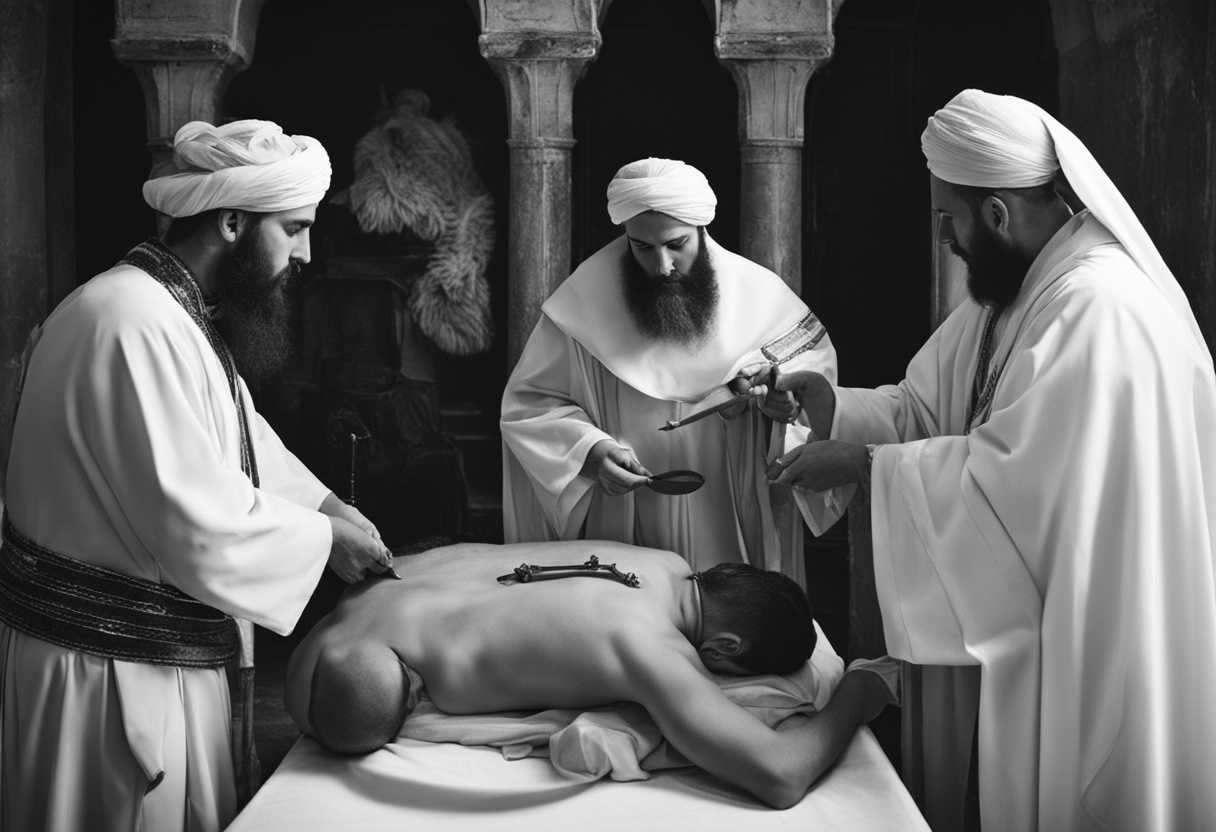
Setting the Scene for Romans 3:1
In Romans chapter 3, the scene is set in a bustling marketplace in the ancient city of Rome. The apostle Paul is addressing a group of Jewish believers who have gathered to hear his teachings. The crowd is a mix of men and women, young and old, all eager to learn more about the teachings of Jesus Christ.
Paul, a former Pharisee turned Christian missionary, stands in the center of the marketplace, surrounded by colorful stalls selling fruits, spices, and textiles. The aroma of freshly baked bread mingles with the sounds of merchants haggling and children playing nearby. The sun beats down on the crowd, creating a warm and lively atmosphere.
As Paul begins to speak, his voice carries over the noise of the marketplace, drawing the attention of those passing by. He speaks passionately about the righteousness of God and the need for all people, both Jews and Gentiles, to repent and turn to Christ for salvation. The crowd listens intently, some nodding in agreement while others furrow their brows in thought. The scene is a vivid depiction of the early Christian community in Rome, grappling with the complexities of faith and the teachings of Jesus.
What is Romans 3:1 about?
This verse reminds us of the unwavering faithfulness of God, despite our own human shortcomings and failures. It reassures us that God’s love and commitment to us do not depend on our own actions or behaviors. It shows us that no matter how many times we may fall short or turn away from God, His faithfulness will never falter.
Have you ever felt unworthy of God’s love because of your mistakes or shortcomings? This verse is a powerful reminder that God’s faithfulness is not dependent on our actions. It challenges us to reflect on our own attitudes towards forgiveness and faithfulness. How can we strive to mirror God’s unwavering faithfulness in our own relationships and interactions with others? This verse encourages a deep sense of gratitude and awe for the steadfast love of God, inspiring us to trust in His faithfulness even in moments of doubt or uncertainty.
Understanding what Romans 3:1 really means
In the grand tapestry of the New Testament, the Book of Romans stands out as a profound theological masterpiece penned by the apostle Paul. Within this intricate work, Romans 3:1 emerges as a pivotal verse, nestled in a discourse where Paul grapples with the intricate relationship between the Jewish people, the Law, and faith.
To grasp the essence of Romans 3:1, we must first delve into the contextual background that Paul meticulously constructs in the preceding chapters. Here, Paul meticulously dissects the sinfulness of humanity and the intricate role the Law plays in highlighting our need for redemption. As Paul addresses potential objections from Jewish believers regarding their unique position and the value of their heritage, he poses a poignant question in Romans 3:1.
“What advantage, then, is there in being a Jew?” This probing inquiry cuts to the core of Jewish identity, challenging the perceived benefits in light of the universal necessity for salvation. Paul’s interrogation extends to the value of circumcision, a physical sign of the covenant between God and Abraham’s descendants. By questioning the reliance on external markers for righteousness, Paul urges a deeper introspection into the true essence of faith.
In related biblical passages like Romans 2:28-29, Galatians 3:28, and Philippians 3:3, Paul continues to emphasize the transformative power of inner renewal over external rituals. These verses underscore the unity and equality found in Christ, transcending cultural and ethnic boundaries. They echo the timeless truth that genuine worship and identity stem from spiritual devotion rather than mere adherence to outward practices.
The relevance of Paul’s inquiries resonates strongly in contemporary society, where individuals often seek validation through external accolades rather than inner spiritual growth. The age-old struggle for identity and privilege persists, reminding us of the enduring significance of Paul’s questions in Romans 3:1. True value and identity, as Paul asserts, are not derived from worldly markers but from a profound relationship with God and a life guided by His Spirit.
Consider the story of an individual who, despite a heritage steeped in religious tradition, only discovered true peace and purpose through a personal encounter with faith. This anecdote mirrors the timeless truth encapsulated in Romans 3:1, illustrating that genuine identity and fulfillment are found not in external trappings but in a heart transformed by faith and the Spirit.
In conclusion, Romans 3:1 beckons us to reevaluate our pursuits and priorities, urging us to seek a deeper connection with God that transcends superficial validations. The true advantage, Paul reminds us, lies not in external distinctions but in a heart surrendered to the transformative power of faith and the indwelling Spirit. May we heed this timeless wisdom, embracing a journey of inner renewal and spiritual growth that leads us closer to the heart of God.
How can we keep our hearts humble before God?
We can keep our hearts humble before God by constantly reminding ourselves of our own faults and shortcomings. This verse serves as a reminder that no one is exempt from making mistakes or falling short of God’s standards. Reflecting on our own imperfections can help us maintain a sincere attitude of humility before God, recognizing that we are in constant need of His grace and forgiveness.
Additionally, seeking God’s guidance and wisdom through prayer and studying His Word can help us remain humble before Him. We acknowledge our dependence on Him and His sovereignty over our lives by aligning our thoughts and actions with His will. This verse emphasizes the importance of acknowledging God’s authority and seeking His guidance, which can help us cultivate a humble and obedient heart before Him. Staying grateful for the blessings and grace that God has bestowed upon us can also contribute to keeping our hearts humble. Recognizing that everything we have comes from God and expressing gratitude for His goodness can help us maintain a humble posture before Him. This acknowledgment of His provision and generosity can humble us as we realize our own unworthiness and reliance on His blessings.
Application
In the fast-paced world we live in, faith is our anchor amidst the stormy seas of life. Let’s show up for God as we would for our loved ones – with unwavering loyalty and a heart full of gratitude. Let’s nurture our faith like we nurture our career or family – with commitment, passion, and perseverance. So, my friend, how will you tend to your faith garden today?

Reverend Michael Johnson is an experienced Church Minister with a profound expertise in spirituality and guidance. With a serene presence and a compassionate heart, he has faithfully served his congregation for over 20 years, leading them on a spiritual journey towards inner peace and enlightenment. Reverend Johnson’s extensive knowledge of religious philosophies and profound understanding of human nature have made him a trusted confidant and mentor to many, as he seamlessly weaves his profound wisdom into life teachings. Reverend Johnson’s calming demeanor and empathetic nature continue to uplift and heal souls, nurturing a sense of unity and tranquility within his community.