
Zechariah 11:4-6 is about the negligence and disregard shown towards the people of Israel by the shepherds (leaders) of the nation, resulting in their eventual abandonment and punishment by God.
4 Thus said the Lord my God: “Become shepherd of the flock doomed to slaughter.
5 Those who buy them slaughter them and go unpunished, and those who sell them say, ‘Blessed be the Lord, I have become rich,’ and their own shepherds have no pity on them.
6 For I will no longer have pity on the inhabitants of this land, declares the Lord. Behold, I will cause each of them to fall into the hand of his neighbor, and each into the hand of his king, and they shall crush the land, and I will deliver none from their hand.”
Setting the Scene for Zechariah 11:4-6
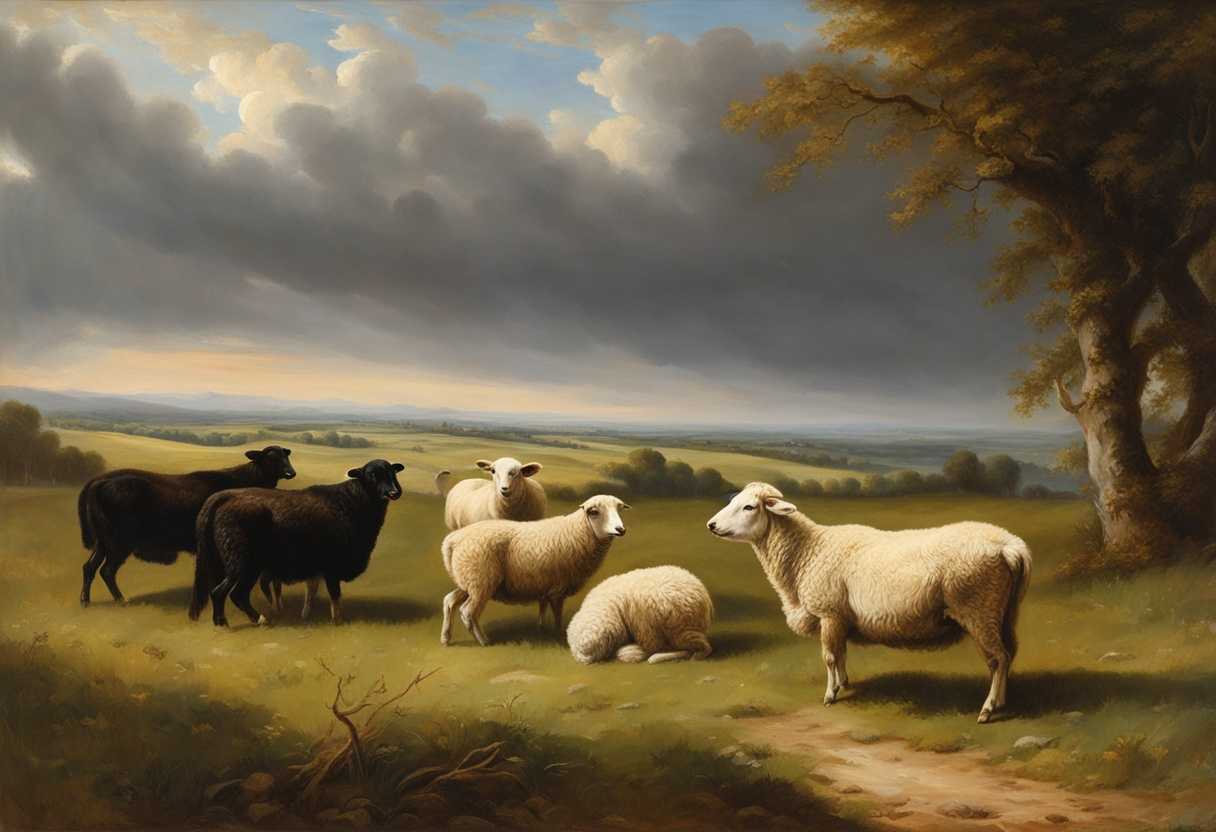
In Zechariah chapter 11, the prophet Zechariah describes a scene where he is symbolically acting out a message from God to the people of Israel. The passage portrays a vivid and dramatic scenario where Zechariah is playing the role of a shepherd. The setting is a lush and green pasture, with a flock of sheep representing the people of Israel.
As Zechariah tends to the flock, he is met with a group of corrupt and oppressive leaders who are described as “shepherds” in the passage. These shepherds do not care for the flock but instead exploit and mistreat them for their own gain. The scene is filled with tension and conflict as Zechariah confronts these unjust leaders, symbolizing the way in which the people of Israel have been led astray by their rulers.
The atmosphere is charged with a sense of betrayal and abandonment, as Zechariah laments the sorry state of the people under the leadership of these false shepherds. The scene serves as a powerful allegory for the spiritual and moral decay that has befallen the nation of Israel, highlighting the need for true and righteous leadership to guide them back to God’s ways.
What is Zechariah 11:4-6 about?
This verse speaks to the accountability and responsibility that leaders, like the shepherds mentioned, have towards those under their care. Leaders in any capacity are expected to prioritize the well-being of those they lead, just as a shepherd is meant to protect and nurture their flock. This verse serves as a warning against selfishness and negligence in leadership, highlighting the consequences that can arise from failing to fulfill one’s duties towards others.
Think about the impact of a shepherd who only looks out for themselves, while their flock suffers from neglect and harm. We can consider how this metaphor can be applied to different leadership positions we encounter in our everyday lives – teachers, parents, supervisors, and politicians, for example. How does this verse challenge us to reflect on our own roles and responsibilities, and examine whether we are truly acting in the best interest of those we are meant to guide and support? Let’s ponder on how we can strive to embody the qualities of a caring and responsible shepherd in our own leadership roles, ensuring that we prioritize the needs of others above our own selfish desires.
Understanding what Zechariah 11:4-6 really means
- Introduction to the Passage
-
In Zechariah 11:4-6, we delve into a prophetic message delivered by God to Zechariah, shedding light on the plight of the people of Israel during a tumultuous period. This passage serves as a poignant illustration of the challenges faced by both the nation and its leaders.
-
Key Phrases and Their Meanings
- The directive to “shepherd the flock marked for slaughter” paints a grim picture of impending judgment and destruction looming over Israel, symbolized by a flock destined for a tragic end.
- The stark reality of “buyers slaughtering them and going unpunished” unveils the harsh exploitation and injustice suffered by the people, with the powerful escaping accountability for their actions.
- The chilling declaration of “Praise the Lord, I am rich!” exposes the hypocrisy and greed of those in authority, who profit from the suffering of their brethren while feigning piety.
-
The lament that “their own shepherds do not spare them” reveals a profound betrayal, as leaders entrusted with protection and care instead inflict harm and neglect upon their flock.
-
Related Biblical Passages
- Drawing parallels, Ezekiel 34:2-4 echoes the condemnation of negligent shepherds in Israel, emphasizing God’s displeasure at their failure to fulfill their duties with integrity and compassion.
- Contrasting human failings with divine love, John 10:11-13 portrays Jesus as the ultimate Good Shepherd who sacrifices Himself for His sheep, in stark contrast to hired hands who abandon their charges in times of peril.
-
Reflecting God’s heart for the vulnerable, Matthew 9:36 portrays Jesus moved with compassion for the lost and helpless, akin to sheep without a caring shepherd, highlighting the need for genuine care and guidance.
-
Relevance to People Today
- This passage resonates with contemporary society, urging reflection on the ethical obligations of leaders across various spheres to safeguard and uplift those in their care.
- It serves as a clarion call for social justice, spotlighting the prevalence of exploitation and the imperative of holding the powerful accountable for their actions.
-
On a personal level, it prompts introspection, compelling individuals to assess their treatment of the marginalized and downtrodden, fostering a culture of empathy and fairness.
-
Anecdote for Illustration
-
Envision a scenario where a community grapples with a callous business owner exploiting workers for personal gain, disregarding their well-being while flaunting his riches. This narrative mirrors the stark realities depicted in Zechariah 11:4-6, underscoring the repercussions of leaders profiting at the expense of their constituents. Just as the passage demands justice and integrity, so too must we advocate for equity and compassion within our communities.
-
Conclusion
- Zechariah 11:4-6 serves as a poignant reminder of the weighty responsibilities of leadership and the dire consequences of neglect and exploitation. It beckons us to scrutinize our conduct and attitudes, compelling us to embody righteousness, kindness, and fairness in all our interactions.
How can we respond to leaders who abuse power?
When leaders abuse their power, it is important for the people to be vigilant and hold them accountable. A leader should serve the best interests of those they lead, just as a shepherd is entrusted to care for and protect the flock. When a leader neglects or exploits their power, it is the responsibility of the people to challenge and resist such behavior. Through unity and collective action, the community can stand up against abusive leadership and work towards justice and righteousness. Individuals must not remain passive or complacent in the face of abuse of power by leaders. Proactive steps must be taken to address the harmful actions of those in authority. This can involve speaking out against injustices, promoting transparency, and advocating for accountability measures. The community can work towards creating a more just and equitable society by standing firm in principles of honesty and integrity.
Application
Let’s be the CEOs of compassion in the workplace of life, making sure no one in our family of humanity is left behind or neglected. We are called to be the pillars of support, providing care and understanding to those who are struggling. Will you rise to the occasion and be a beacon of light for those who are in need?

Reverend Michael Johnson is an experienced Church Minister with a profound expertise in spirituality and guidance. With a serene presence and a compassionate heart, he has faithfully served his congregation for over 20 years, leading them on a spiritual journey towards inner peace and enlightenment. Reverend Johnson’s extensive knowledge of religious philosophies and profound understanding of human nature have made him a trusted confidant and mentor to many, as he seamlessly weaves his profound wisdom into life teachings. Reverend Johnson’s calming demeanor and empathetic nature continue to uplift and heal souls, nurturing a sense of unity and tranquility within his community.