
In the Bible, “incorruption” refers to a state of immortality and imperishable nature, often associated with the transformed bodies of believers in resurrection (1 Corinthians 15:52-54). It signifies the ultimate victory over sin and death, reflecting God’s eternal life and holiness.
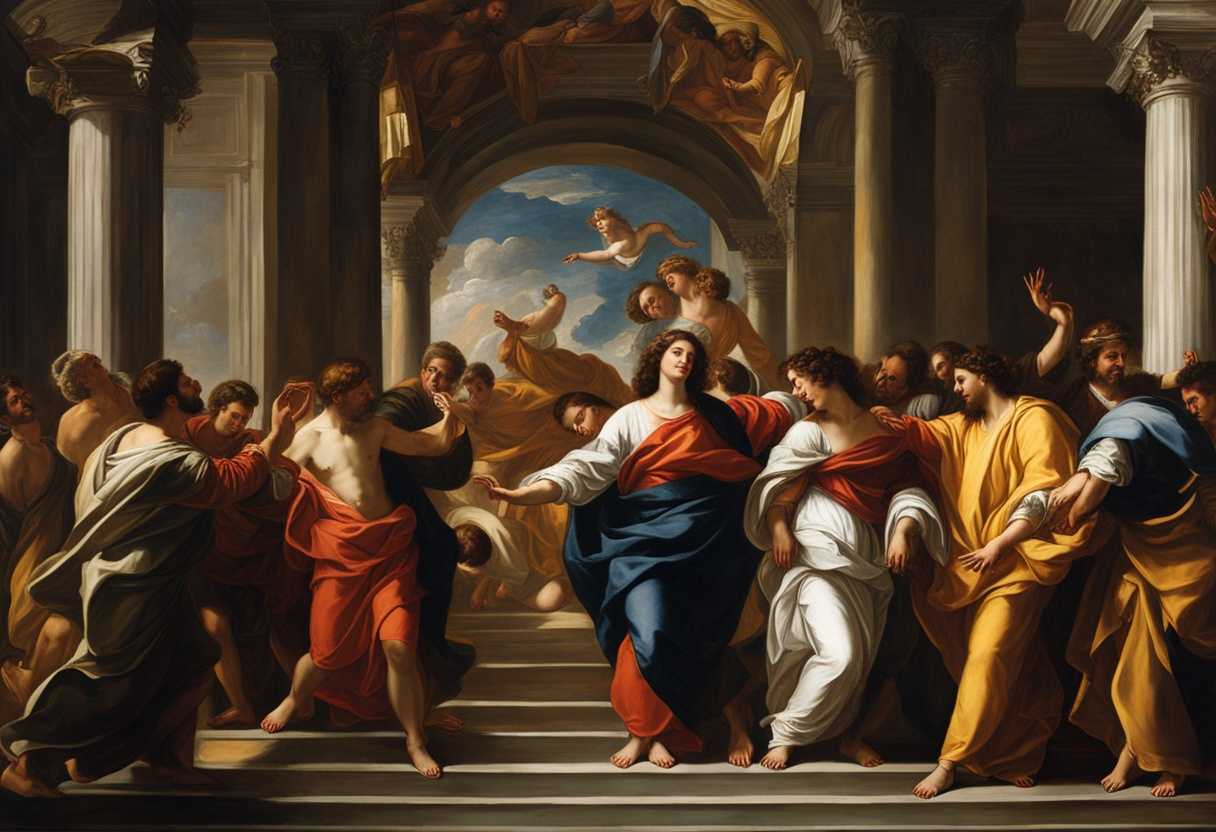
Scripture
42 So is it with the resurrection of the dead. What is sown is perishable; what is raised is imperishable.
43 It is sown in dishonor; it is raised in glory. It is sown in weakness; it is raised in power.
44 It is sown a natural body; it is raised a spiritual body. If there is a natural body, there is also a spiritual body.
45 Thus it is written, “The first man Adam became a living being”; the last Adam became a life-giving spirit.
46 But it is not the spiritual that is first but the natural, and then the spiritual.
47 The first man was from the earth, a man of dust; the second man is from heaven.
48 As was the man of dust, so also are those who are of the dust, and as is the man of heaven, so also are those who are of heaven.
49 Just as we have borne the image of the man of dust, we shall also bear the image of the man of heaven.
50 I tell you this, brothers: flesh and blood cannot inherit the kingdom of God, nor does the perishable inherit the imperishable.
51 Behold! I tell you a mystery. We shall not all sleep, but we shall all be changed,
52 in a moment, in the twinkling of an eye, at the last trumpet. For the trumpet will sound, and the dead will be raised imperishable, and we shall be changed.
53 For this perishable body must put on the imperishable, and this mortal body must put on immortality.
54 “When the perishable puts on the imperishable, and the mortal puts on immortality, then shall come to pass the saying that is written: ‘Death is swallowed up in victory.’”
Incorruption Defined in the Bible
In biblical theology, the concept of “incorruption” encompasses much more than mere immortality; it symbolizes the complete defeat of all that is temporal, corruptible, and tied to sin. This theme is distinctly illustrated in 1 Corinthians 15:52-54, where the Apostle Paul describes the resurrection of the dead as a miraculous transformation where “the dead will be raised incorruptible, and we shall be changed.” This transformation ushers believers into a state where they are no longer subject to decay or death, reflecting God’s divine nature, which is wholly pure and eternal. The idea encapsulates the Christian hope that participants in Christ’s resurrection will ultimately share in His glory—unblemished and eternal.
Moreover, this notion of incorruption is woven throughout the New Testament, linking it to the concept of spiritual renewal and the new creation in Christ. In Romans 2:7, Paul speaks of seeking “glory, honor, and immortality,” further underscoring the eschatological hope for believers. 2 Peter 1:4 speaks to this renewal as partaking in the “divine nature” that frees one from the corruption in the world caused by evil desires. Ultimately, incorruption signifies the restoration of humanity’s original design in fellowship with God, free from the consequences of sin—inviting believers to live in hope and anticipation of their heavenly inheritance, where they will exist in perfect communion with the incorruptible God for eternity.
Further exploring the biblical theme of incorruption, we can identify its significance in the teachings of the Apostle Paul beyond the resurrection context. In his letter to the Galatians, Paul contrasts the fruits of the Spirit with the works of the flesh, implying that living according to the Spirit leads to a life characterized by incorruption. Here, the incorruption reflects a moral and spiritual integrity that transcends earthly values. This perspective suggests that believers are called to embody the principles of incorruption in their daily lives, manifesting virtues such as love, joy, and peace—a direct opposition to the corruptitude prevalent in the world.
Additionally, the theme finds resonance in the writings of the Apostle Peter, who highlights the concept in his epistles. Apart from the passage already referenced, Peter emphasizes that true inheritance for believers is “incorruptible” and “undefiled,” reserved in heaven (1 Peter 1:4). This notion not only reinforces the concept of a heavenly kingdom devoid of decay but also calls believers to a lifestyle that mirrors this incorruption through holiness and obedience. As followers of Christ, they are to be a people set apart, actively participating in the divine promise of incorruption by rejecting worldly desires and embracing a transformative journey toward becoming more like Christ. Thus, incorruption becomes both a future hope and an active pursuit in the life of a believer within the framework of New Testament teaching.
Spiritual Transformation and Redemption
Incorruption in the Bible often signifies a state of spiritual transformation and redemption. It reflects the idea that believers are being renewed and restored through their faith in God. This transformation is not merely physical but encompasses the entire being, leading to a life that is free from the corruption of sin and moral decay. The concept emphasizes the hope of becoming a new creation in Christ, where the old self is put away, and a new, incorruptible nature emerges.
Eternal Life and Resurrection
Another significant meaning of incorruption relates to the promise of eternal life and resurrection. In biblical theology, incorruption is associated with the ultimate victory over death and decay. It signifies the assurance that believers will experience a glorified state after death, free from the limitations and frailties of the mortal body. This hope of resurrection underscores the belief in a future where death is defeated, and believers are granted everlasting life in the presence of God.
Moral Integrity and Righteousness
Incorruption also embodies the ideals of moral integrity and righteousness. It represents a life lived in accordance with God’s will, characterized by purity and holiness. This aspect of incorruption calls believers to pursue a lifestyle that reflects their faith, avoiding the corrupting influences of the world. It serves as a reminder of the ethical standards set forth in scripture, encouraging individuals to strive for a life that is pleasing to God and free from the moral corruption that can arise from sin.
How to Embrace Immortality and Divine Purity in Faith
Embracing immortality and divine purity in your faith journey is about cultivating a deep, personal relationship with God that transcends the temporal nature of our earthly existence. Start by immersing yourself in Scripture, allowing the promises of eternal life and the call to holiness to resonate within you. Reflect on passages like John 3:16, which reminds us of the gift of eternal life through belief in Christ, and 1 Peter 1:16, which calls us to be holy as He is holy. Engage in prayer and meditation, seeking the Holy Spirit’s guidance to purify your heart and mind, letting go of worldly distractions that cloud your spiritual vision. Surround yourself with a community of believers who inspire and challenge you to live out your faith authentically. Remember, embracing immortality isn’t just about the afterlife; it’s about living a life that reflects God’s love and purity here and now, shining as a beacon of hope and grace in a world that desperately needs it.
Bible References to Incorruption Defined:

Rev. François Dupont is a dedicated church minister with a wealth of experience in serving spiritual communities. With a calm and serene demeanor, he has been devoted to sharing the message of love, compassion, and tolerance for over two decades. Through his thoughtful sermons, compassionate counseling, and unwavering support, Rev. Dupont has touched the lives of countless individuals, allowing them to find solace and strength during difficult times. His serene presence and deep understanding of the human condition make him a trusted guide for those seeking spiritual nourishment and guidance.