
1 The Lord spoke to Moses and Aaron, saying,
2 The people of Israel shall camp each by his own standard, with the banners of their fathers’ houses. They shall camp facing the tent of meeting on every side.
3 Those to camp on the east side toward the sunrise shall be of the standard of the camp of Judah by their companies, the chief of the people of Judah being Nahshon the son of Amminadab,
4 And his host, and those that were numbered of them, were threescore and fourteen thousand and six hundred.
5 Those who camp on the east side toward the sunrise shall be of the standard of the camp of Judah by their companies, the chief of the people of Judah being Nahshon the son of Amminadab,
6 Those who will camp on the east side toward the sunrise shall be of the standard of the camp of Judah by their companies, the chief of the people of Judah being Nahshon the son of Amminadab,
7 Then the tent of meeting shall set out, with the camp of the Levites in the midst of the camps; as they camp, so shall they set out, each in position, standard by standard.
8 And his army listed as listed were forty-six thousand five hundred.
9 All those listed of the camp of Judah, by their companies, were 186,400. They shall set out first on the march.
10 On the south side shall be the standard of the camp of Reuben by their companies, the chief of the people of Reuben being Elizur the son of Shedeur,
11 and his army as listed were 46,500.
12 The standard of the camp of Dan shall be on the north side by their companies, the chief of the people of Dan being Ahiezer the son of Ammishaddai.
13 And his army as listed was 59,300.
14 Then the tribe of Gad, the people of Gad, by their fathers’ houses, and the number of their men of war, was 45,650.
15 On the south side shall be the standard of the camp of Reuben by their companies, the chief of the people of Reuben being Elizur the son of Shedeur,
16 All those listed of the camp of Reuben, by their companies, were 151,450.
17 Then the tent of meeting shall set out, with the camp of the Levites in the midst of the camps; as they camp, so shall they set out, each in position, standard by standard.
18 On the west side shall be the standard of the camp of Ephraim by their companies, the chief of the people of Ephraim being Elishama the son of Ammihud,
19 Then the tribe of Manasseh, the chief of the people of Manasseh being Gamaliel the son of Pedahzur,
20 “On the south side shall be the standard of the camp of Reuben by their companies, the chief of the people of Reuben being Elizur the son of Shedeur,
21 Then the tribe of Naphtali, the chief of the people of Naphtali being Ahira the son of Enan,
22 Then the tribe of Benjamin, the chief of the people of Benjamin, shall be Elidad the son of Chislon.
23 Those listed of the tribe of Simeon were 59,300.
24 All those listed of the camp of Ephraim, by their companies, were 40,500.
25 On the north side shall be the standard of the camp of Dan by their companies, the chief of the people of Dan being Ahiezer the son of Ammishaddai.
26 and his army as listed by their companies were 45,650.
27 And those to camp next to him shall be the tribe of Asher, the chief of the people of Asher being Pagiel the son of Ochran.
28 This was the order of march of the people of Israel by their companies, when they set out.
29 Then the tribe of Naphtali, the chief of the people of Naphtali, was Ahira the son of Enan.
30 On the south side shall be the standard of the camp of Reuben by their companies, the chief of the people of Reuben being Elizur the son of Shedeur,
31 All those listed of the camp of Dan were 157,600. They shall set out last, standard by standard.
32 These are the clans of the people of Israel as they were listed by the Lord through Moses and Aaron.
33 But the Levites were not listed among the people of Israel, as the Lord commanded Moses.
34 So the people of Israel did according to all that the Lord commanded Moses; so they camped by their standards, and so they set out, each one in his clan, according to his father’s house.
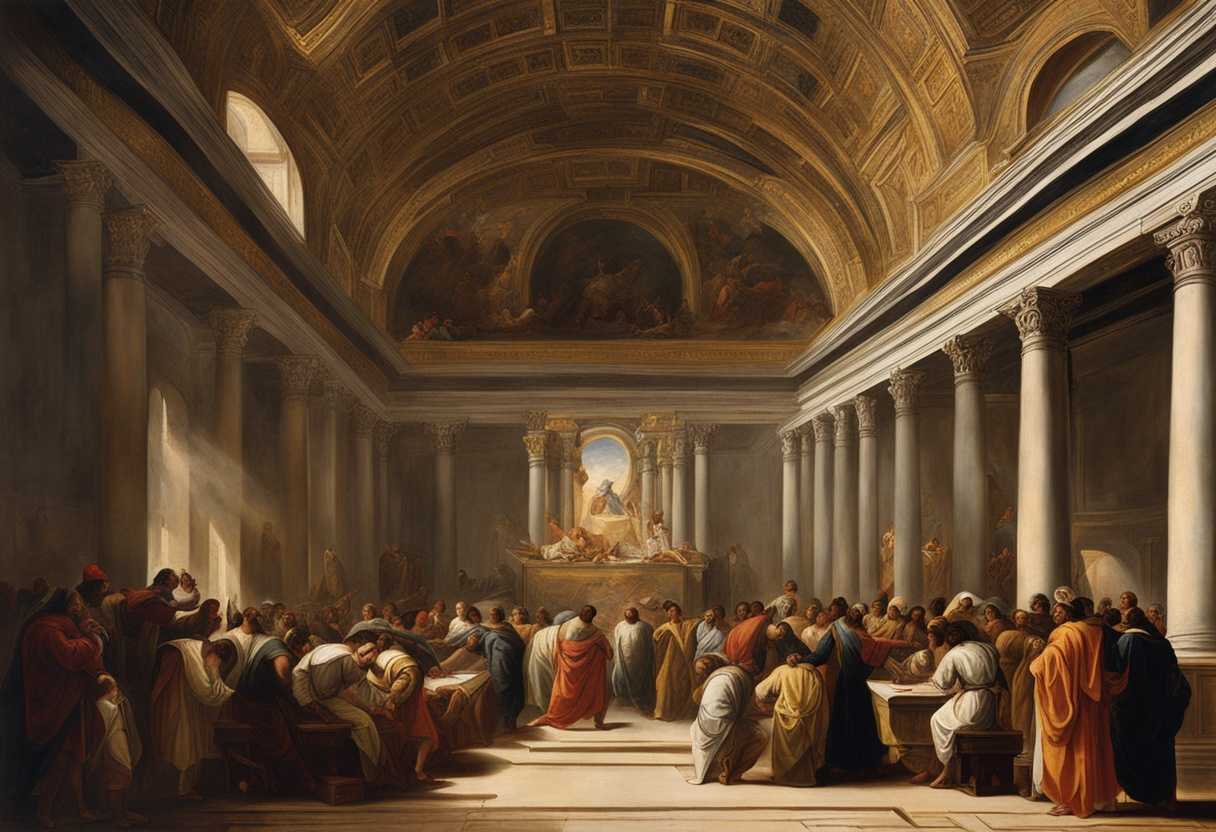
The True Meaning of Numbers 2
The Book of Numbers, the fourth book of the Pentateuch, was written by Moses, the great prophet and leader of the Israelites. This chapter outlines the organization and arrangement of the Israelite tribes as they prepared to enter the Promised Land. The Lord gives instructions to Moses and Aaron regarding the placement of the tribes around the Tabernacle in this chapter, the portable sanctuary where God’s presence dwelled. The tribes were to be arranged in a specific order, with each tribe having its own designated position and banner. This organization was not only practical for the journey ahead but also symbolic of the unity and order that God desired for His people. As we delve into this chapter, we will witness the careful attention to detail that God requires, as well as the importance of obedience and submission to His divine plan. The events described here foreshadow the challenges and victories that the Israelites will face as they continue their journey towards the land that God has promised them, a land “flowing with milk and honey” (Exodus 3:8).
Numbers 2:1-2
The Lord instructs Moses and Aaron to organize the Israelites according to their ancestral families in Numbers 2:1-2, with each tribe camping under its own banner around the Tabernacle. This detailed instruction not only served the practical purpose of creating order and efficiency among the vast community of Israelites as they journeyed through the wilderness, but it also carried symbolic and spiritual significance. God emphasized the importance of unity, community, and belonging by organizing the Israelites according to their tribes and families. Each tribe had its own unique banner depicting its identity and heritage, fostering a sense of pride and loyalty among the people. This demonstrates God’s intention for His people to function cohesively as a community, each playing a valuable role in the larger plan that He had for them.
Furthermore, the positioning of the tribes around the Tabernacle symbolized the central role of God in their midst. The Tabernacle was where God’s presence dwelt among the people, and by encamping around it, the Israelites demonstrated their reverence and submission to God’s authority and guidance. This arrangement also served as a visual reminder of the need for God to be at the center of their lives, guiding their journey and shaping their identity as His chosen people.
The emphasis on order, unity, and reverence for God’s presence in Numbers 2 serves as a timeless message for believers today. Just as the Israelites were called to organize themselves according to God’s instructions and keep Him at the center of their community, Christians are reminded to prioritize unity, respect for authority, and a deep connection with God in their own lives and within the body of believers. Verses like Romans 12:4-5 highlight the importance of each person playing a unique and valuable role within the community of faith, just as the tribes did within the camp of Israel.
Numbers 2:3-9
The Lord instructs Moses and the Israelites on how they should camp and position themselves around the Tabernacle in the wilderness in Numbers 2:3-9. This passage demonstrates the importance of organization, order, and unity among God’s people. Each tribe of Israel is assigned a specific location around the Tabernacle based on their ancestral lineage, with the tribe of Judah being designated as the lead tribe positioned towards the east, marching first as they journeyed through the desert.
The positioning of the tribes around the Tabernacle held significant symbolism. The Tabernacle was where God’s presence dwelt among His people, and the arrangement of the tribes around it represented a physical manifestation of God in the center of their lives. This arrangement reminds us of the importance of centering our lives around God, allowing His presence to be at the core of everything we do.
Furthermore, the unity and cohesion required for the Israelites to move and camp as one body around the Tabernacle reflect the importance of unity within the body of Christ. Just as the tribes of Israel had to work together and support one another in their journey through the wilderness, Christians are called to be united in faith, love, and purpose as they navigate through life’s challenges. Paul emphasizes the concept of unity within the church in Ephesians 4:3 by stating, “Make every effort to keep the unity of the Spirit through the bond of peace.””
The leadership structure within the tribes is also worth noting. Each tribe had its own leader responsible for coordinating the movements and actions of their tribe. Similarly, within the church, there are leaders appointed to shepherd and guide God’s people. These leaders are called to serve with humility, wisdom, and accountability, following the example of Jesus, the ultimate Shepherd of our souls (1 Peter 5:2-4). The detailed instructions regarding the positioning of the tribes in Numbers 2 ultimately serve as a reminder of the order, purpose, and unity that God desires for His people. Let us consider how we can align our lives in such a way that we prioritize God’s presence at the center, walk in unity with our fellow believers, and submit to the leadership appointed by God for our spiritual growth and well-being as we reflect on this passage.
Numbers 2:10-16
God gave specific instructions to the Israelites in Numbers 2:10-16 regarding the positioning of the tribes of Ephraim, Manasseh, and Benjamin within the camp as they journeyed through the wilderness. Ephraim, along with the tribes of Manasseh and Benjamin, were designated to camp on the west side of the tabernacle, under the standard of the tribe of Ephraim, which was represented by a flag with the image of a young bull. Each tribe of Israel had its own standard or banner, symbolizing their identity and unity within the camp.
The tribe of Ephraim held a significant place as one of the larger tribes of Israel and was descended from Joseph, who was favored by his father Jacob and played a key role in the history of Israel. Joseph’s story is one of resilience, faithfulness, and forgiveness, as seen in his journey from being sold into slavery by his brothers to becoming a powerful ruler in Egypt. Through Joseph’s story, we learn valuable lessons about faith, perseverance, and God’s faithfulness in difficult circumstances.
The specific positioning of the tribes around the tabernacle carried symbolic meaning, reflecting not only their physical location in the camp but also their spiritual significance in relation to God’s presence among them. The tabernacle was the place where God dwelt among His people, and the arrangement of the tribes around it emphasized the importance of being centered on God in all aspects of their lives. This arrangement highlights the need for order, unity, and reverence in approaching God, which are timeless principles applicable to believers today.
This passage in Numbers 2 serves as a reminder of the organization and structure that God desires for His people. Just as the Israelites were called to align themselves according to God’s instructions for the camp, believers are called to align themselves with God’s will and purposes in their lives. This includes being aware of our surroundings, acknowledging the presence of God in all situations, and following His guidance faithfully. The tribes’ positioning also illustrates the concept of community and cooperation among God’s people, emphasizing the importance of unity and mutual support in fulfilling God’s plans.
The practice of camping around the tabernacle with each tribe in its designated place was a visible demonstration of the order and reverence that should characterize the worship and daily lives of God’s people. This orderliness and unity were not just for practical purposes but also spiritual ones, as they reflected the Israelites’ commitment to following God’s leading and honoring His presence among them. This serves as a powerful reminder for believers today to prioritize seeking God’s presence, following His leading, and living in harmony with His people. This passage in Numbers 2 provides valuable insights into the principles of order, unity, and reverence in the context of God’s presence among His people. We can draw timeless lessons for our own lives by studying and understanding these instructions given to the Israelites as we seek to align ourselves with God’s will, live in community with other believers, and honor God in all that we do.
Numbers 2:17
Numbers 2:17 states, “Then the tent of meeting and the camp of the Levites shall set out in the middle of the camps. They shall set out in the same order as they encamp, each in position by their standards. God gives detailed instructions to the Israelites in this verse regarding the organization of their camp as they journey through the wilderness. The tent of meeting, where God’s presence dwelt among His people, is to be centrally located, surrounded by the Levites, who were tasked with caring for it and its contents. This layout indicates the central importance of God in the midst of their camp and emphasizes the sacredness of His presence among them.
The symbolism in this verse is profound. Placing the tent of meeting at the center signifies that God should always be at the center of our lives. Just as the Israelites physically positioned themselves around God’s dwelling place, believers today should spiritually center their lives around God, seeking His presence and guidance in all they do. This verse reminds us to prioritize God in everything, making Him the focal point of our existence.
The mention of the Levites highlights the importance of having dedicated servants of God to attend to His dwelling place. Throughout the Bible, the Levites were set apart for the service of the Lord, responsible for the care of the tabernacle and later the temple. This role was a sacred duty passed down through the lineage of Levi and played a crucial part in the worship and rituals of the Israelites. Their role serves as a reminder of the necessity of having dedicated individuals to minister before God and lead others in worship.
This verse also demonstrates the significance of order and obedience in the walk of faith. God instructs the Israelites to set out in a specific order, each tribe following their standard. This orderly arrangement reflects the idea of God being a God of order, not of confusion (1 Corinthians 14:33). It teaches us the importance of following God’s instructions and walking in alignment with His will. Just as the Israelites were called to move in a specific order, Christians are called to walk in obedience to God’s Word, trusting His guidance and timing in their lives. Numbers 2:17 conveys timeless messages of prioritizing God’s presence, serving Him diligently, maintaining order and discipline in our lives, and obeying His commands. It underscores the importance of centering our lives around God, committing to His service, and walking in obedience and alignment with His will. We reflect on this verse, inspired to keep God at the center of our lives, serve Him wholeheartedly, and walk in the order and obedience He calls us to.
Numbers 2:18-24
The camp of the tribe of Dan is the focus in Numbers 2:18-24 as they journey through the wilderness. The camp of Dan was positioned on the north side of the tabernacle, alongside the tribes of Asher and Naphtali. Each tribe had its designated place around the tabernacle, forming a specific pattern as instructed by the Lord through Moses.
One key aspect to note in this section is the organization and orderliness displayed in how the Israelites camped and journeyed. This careful arrangement was not just for practical purposes but also held symbolic significance. The positioning of each tribe around the tabernacle signified unity among the people, with the presence of God at the center of their lives. It conveyed the idea that God was to be at the center of all their decisions and movements.
The tribe of Dan itself is significant in biblical history. Dan was one of the twelve sons of Jacob, born to Bilhah, Rachel’s maidservant. Dan’s name means “he judged,” and his mother named him so because she believed God had heard her plea for justice when she gave birth to him. Dan’s descendants later settled in the region near the coastal city of Joppa.
The tribe of Dan faced challenges in their history, including struggles with idolatry. Judges 18 recounts how the tribe of Dan sought out new territory and ended up taking idols and a Levite priest for themselves, departing from God’s commands. This episode highlights the dangers of straying from God’s ways, as it led them into sin and spiritual decay. The orderly arrangement of the tribes around the tabernacle in Numbers 2 speaks to the importance of structure and unity in the community of believers in a broader sense. Just as each tribe had its place and role to play in God’s plan, every member of the body of Christ has a unique purpose and contribution to make. The unity and cooperation among the tribes foreshadow the unity that believers should strive for in serving God and fulfilling His purposes. Numbers 2:18-24 emphasizes the themes of order, unity, and the central role of God in the lives of His people. It serves as a reminder for us today to seek God’s presence at the center of our lives, to appreciate the diversity of gifts and callings within the body of Christ, and to work together in harmony for the advancement of God’s kingdom.
Numbers 2:25-31
The focus in Numbers 2:25-31 is on the camp of the tribe of Naphtali and its arrangement within the larger camp of Israel. This segment is part of a detailed account of how the Israelites organized themselves around the tabernacle while they journeyed through the wilderness. Each tribe had an assigned position with its own leader, flag, and specific location to camp. This level of organization underscores the importance of order and unity among God’s chosen people.
Regarding the tribe of Naphtali specifically, it’s worth noting that Naphtali was one of the twelve sons of Jacob (Israel) and was later established as a tribe in the land of Canaan. The name “Naphtali” means “my struggle,” which may reflect the challenges and perseverance of this tribe throughout its history. Bilhah, Rachel’s maidservant, gave birth to Naphtali after she gave birth to Dan, as we learn in Genesis 30:8. This tribe had its inheritance in the northern part of Israel, near the Sea of Galilee.
The positioning of the tribes around the tabernacle symbolizes not only physical organization but also spiritual significance. The tabernacle was the dwelling place of God among His people, and having the tribes encamped around it reinforced the idea of God being at the center of their lives. This arrangement also emphasized the importance of unity and collective worship among the Israelites.
This level of meticulous planning and coordination serves as a reminder of the value of structure and discipline in our lives as believers. 1 Corinthians 14:40 advises, “But all things should be done decently and in order,” emphasizing the importance of organization and reverence in the worship and service of God. Just as the Israelites followed precise instructions for their camp setup, we are called to be intentional and purposeful in our walk with God. The detailed account of the camp arrangement in Numbers 2:25-31 reinforces the themes of order, unity, and reverence in the context of serving God. The placement of the tribe of Naphtali within the larger camp reminds us of the significance of each individual within the community of faith and the collective responsibility we have to honor and worship God together.
Numbers 2:32-34
The verses in Numbers 2:32-34 describe the total number of the Israelites according to their ancestral families, as they were counted and organized during their time in the wilderness. These verses serve as a conclusion to the detailed instructions given by God to Moses and Aaron regarding the arrangement of the tribes around the tabernacle. The specific count was essential for the organization and movement of the Israelites as they journeyed through the wilderness towards the Promised Land.
This meticulous planning and organization by God reflect the importance of order and structure within the community. Each tribe had a designated place around the tabernacle, with clear instructions on when to move and in what order. This emphasis on order can be seen as a reminder for the Israelites, and for us today, to live in harmony and unity, following the guidance and instructions provided by God.
The idea of precise organization is not just a logistical necessity in the context of the Israelites’ journey through the wilderness, but it also carries a deeper spiritual significance. God’s careful arrangement of the tribes symbolizes His sovereignty and authority over His people. Each tribe had its own flag and standard, signifying their unique identity and place within the community. This highlights the concept of unity amidst diversity, where different tribes with their own characteristics and strengths came together as one cohesive unit under the guidance of God.
This scene of the Israelites camped around the tabernacle is a powerful illustration of God’s presence in the midst of His people. The tabernacle was the dwelling place of God among the Israelites, symbolizing His closeness and accessibility to His people. The positioning of the tribes around the tabernacle emphasized the centrality of God in their midst. This is a timeless message that resonates with believers today – that God should always be at the center of our lives, guiding our steps and being the focal point of our community.
Furthermore, the detailed organization of the tribes around the tabernacle also points to the importance of unity and cooperation among God’s people. Each tribe had a specific role to play, contributing to the overall functioning and well-being of the community. This unity amidst diversity is a theme that runs throughout the Bible, emphasizing the importance of working together in harmony for the greater good. We can see a continuation of God’s faithfulness and provision to His people by connecting these verses to the broader biblical narrative. Despite their wandering in the wilderness, God’s presence was constant and His guidance was clear. This serves as a reminder that even in the midst of uncertainty and challenges, God remains steadfast and leads His people towards the fulfillment of His promises. Numbers 2:32-34 captures the essence of order, unity, and God’s presence among His people. It reminds us of the importance of following God’s guidance, working together in harmony, and keeping Him at the center of our lives and communities.
After Numbers 2
The people had followed the Lord’s commands and set up their camp as He had instructed. The Levites took their rightful place, guarding the Tabernacle and its sacred contents. All was in order, just as the Lord had decreed.
Yet, the journey ahead would not be without its challenges. The Israelites would soon face trials that would test their faith and obedience. I knew I must prepare them for the road that lay before them as their shepherd. For the Lord’s plan was not yet complete, and there were more lessons for His people to learn.

Reverend Michael Johnson is an experienced Church Minister with a profound expertise in spirituality and guidance. With a serene presence and a compassionate heart, he has faithfully served his congregation for over 20 years, leading them on a spiritual journey towards inner peace and enlightenment. Reverend Johnson’s extensive knowledge of religious philosophies and profound understanding of human nature have made him a trusted confidant and mentor to many, as he seamlessly weaves his profound wisdom into life teachings. Reverend Johnson’s calming demeanor and empathetic nature continue to uplift and heal souls, nurturing a sense of unity and tranquility within his community.