
Author: Reverend Michael Johnson
-

What does Leviticus 27:14-15 really mean?
Leviticus 27:14-15 is about the valuation of a house or field when consecrated to the Lord, with the amount determined by the priest based on the number of years until the Jubilee. 14 “When a man dedicates his house as a holy gift to the Lord, the priest shall value it as either good or…
-

What does Leviticus 27:16-21 really mean?
Leviticus 27:16-21 is about the evaluation and consecration of a person’s possessions as an offering to the Lord, emphasizing that one’s commitment to God should be reflected in all aspects of their life, including material wealth. 16 “If a man dedicates to the Lord part of the land that is his possession, then the valuation…
-

What does Deuteronomy 28:64-65 really mean?
Deuteronomy 28:64-65 is about the consequences of disobedience to God’s commandments, leading to exile and suffering but also emphasizing the promise of eventual redemption and restoration for those who repent and turn back to God. 64 “And the Lord will scatter you among all peoples, from one end of the earth to the other, and…
-
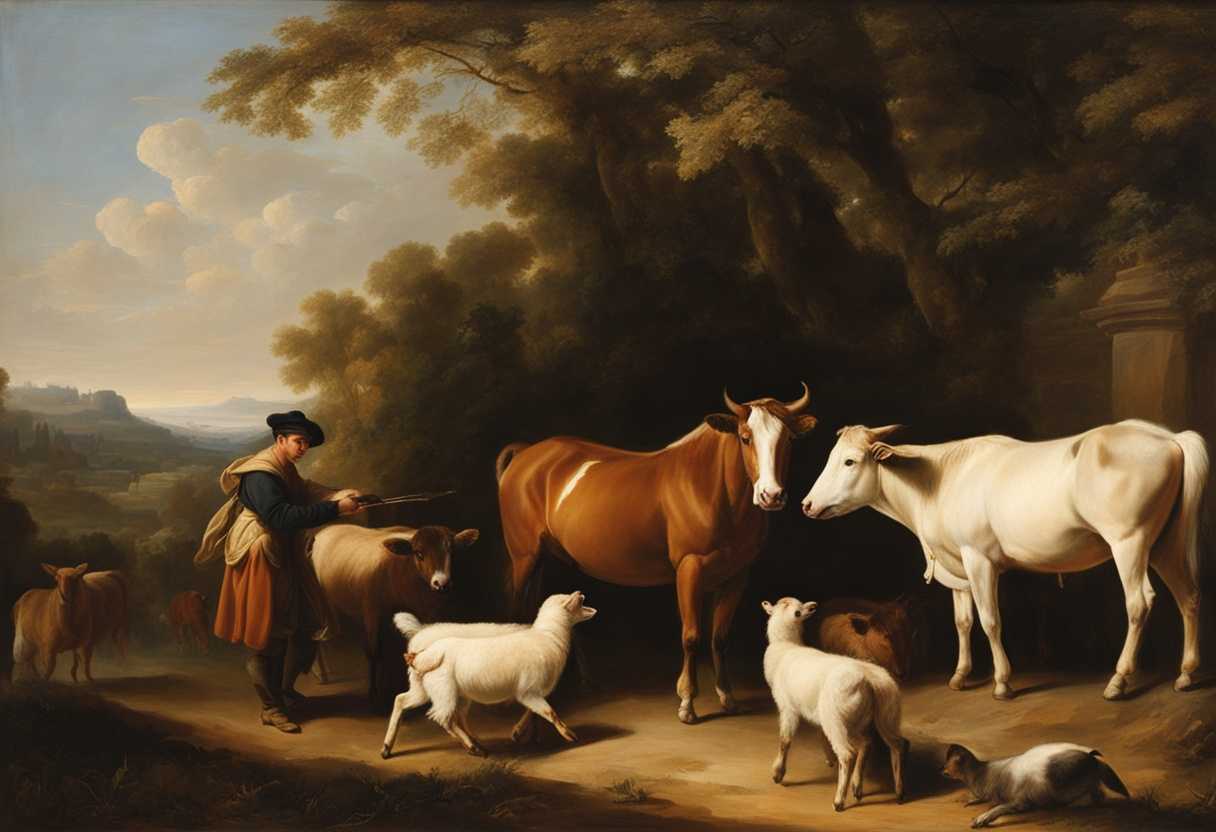
What does Leviticus 27:30-33 really mean?
Leviticus 27:30-33 is about the importance of tithing and offering a tenth of one’s income or produce to the Lord as a way of honoring Him and acknowledging His provision in our lives. 30 Every tithe of the land, whether of the seed of the land or of the fruit of the trees, is the…
-

What does Hosea 9:4-6 really mean?
Hosea 9:4-6 is about how Israel will not find the Lord or receive blessings because of their disobedience and unfaithfulness, leading to their exile and punishment. 4 They shall not pour drink offerings of wine to the Lord, and their sacrifices shall not please him. It shall be like mourners’ bread to them; all who…
-

What does Hosea 9:7-9 really mean?
Hosea 9:7-9 is about the punishment that Israel will face for their sinful behavior and betrayal of God, where they will be cut off from the Lord and become like people without understanding, destined for destruction and exile. 7 The days of punishment have come; the days of recompense have come; Israel shall know it.…
-

What does Exodus 30:13-15 really mean?
Exodus 30:13-15 is about the requirement for each individual to pay a set half-shekel as an offering to atone for their lives, symbolizing the equal value of all before God and the need for communal atonement. 13 Each one who is numbered in the census shall give this: half a shekel according to the shekel…
-

What does Leviticus 3:1-5 really mean?
Leviticus 3:1-5 is about the specific instructions for offering a peace offering to the Lord, emphasizing the voluntary and intentional nature of the offering as well as the symbolism of peace and reconciliation with God. 1 “If his offering is a sacrifice of peace offering, if he offers an animal from the herd, male or…
-
What does Leviticus 3:6-11 really mean?
Leviticus 3:6-11 is about the detailed instructions for the offering of a peace offering to the Lord, emphasizing the importance of voluntary and joyful giving as a symbol of reconciliation and thanksgiving to God. 6 “If his offering for a sacrifice of peace offering to the Lord is an animal from the flock, male or…
-

What does Joshua 5:10 really mean?
Joshua 5:10 is about the people of Israel observing the Passover in the Promised Land after crossing the Jordan River, symbolizing the renewal of their covenant with God and the beginning of a new chapter in their journey. 10 And the people of Israel encamped at Gilgal, and kept the Passover on the fourteenth day…