
Author: Reverend Michael Johnson
-

What does Deuteronomy 6:14-15 really mean?
Deuteronomy 6:14-15 is about warning against the temptation to follow other gods and instead emphasizing the importance of wholehearted devotion to the one true God, recognizing His jealousy for our exclusive love and worship. 14 You shall not go after other gods, the gods of the peoples who are around you— 15 for the Lord…
-
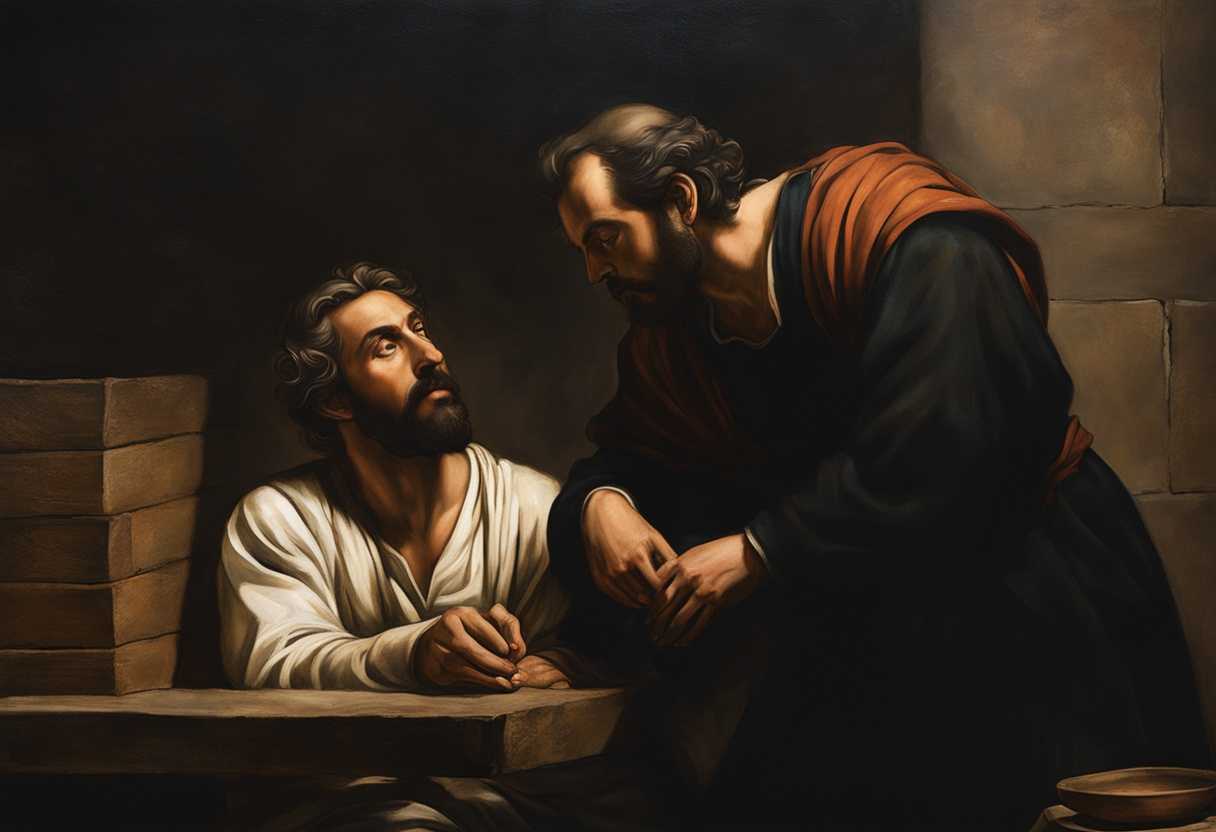
What does Acts 16:26-30 really mean?
Acts 16:26-30 is about the power of faith and prayer to bring about miraculous interventions in times of trouble, demonstrating God’s sovereignty and the importance of spiritual guidance in making life-altering decisions. 26 and suddenly there was a great earthquake, so that the foundations of the prison were shaken. 27 When the jailer woke and…
-
What does Luke 6:13-16 really mean?
Luke 6:13-16 is about Jesus choosing the twelve apostles, emphasizing the importance of intentional selection, diversity, and unity in building a strong community of followers. 13 And when day came, he called his disciples and chose from them twelve, whom he named apostles: 14 Simon, whom he named Peter, and Andrew his brother, and James…
-
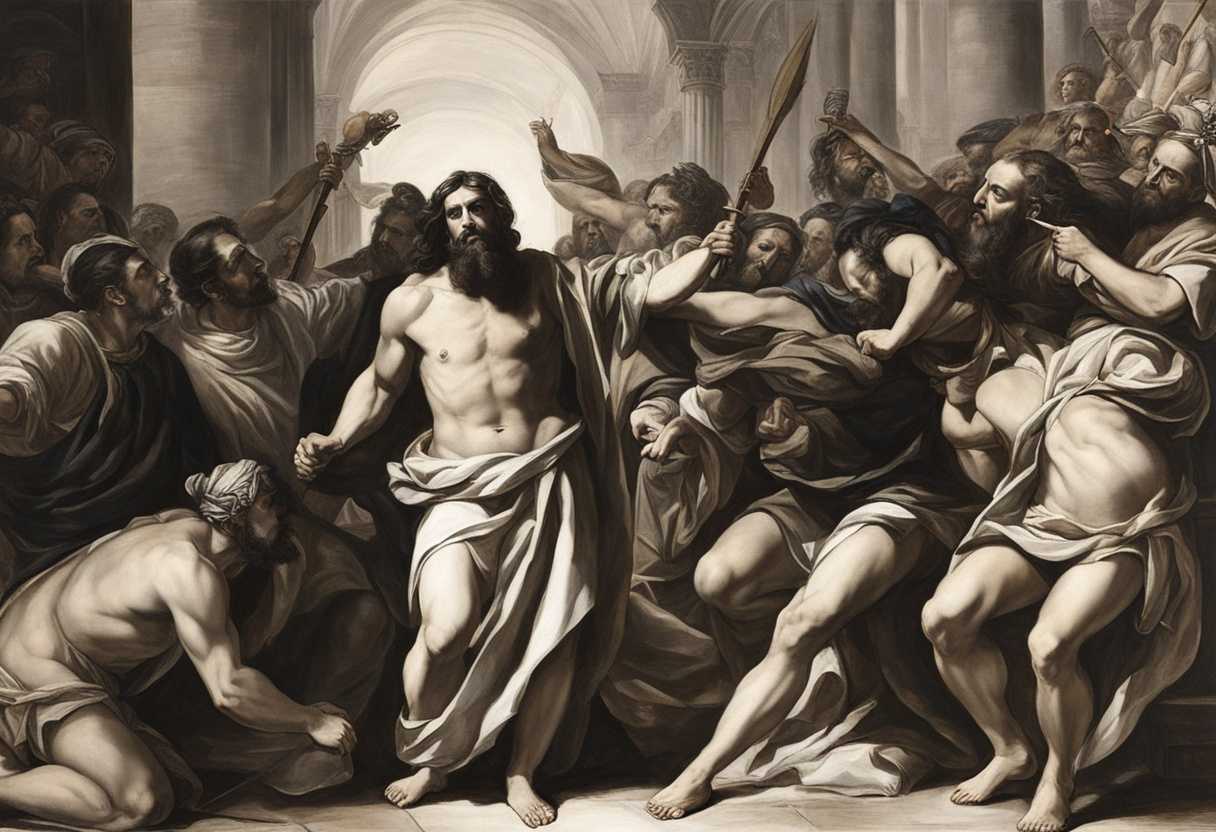
What does Exodus 6:10-13 really mean?
Exodus 6:10-13 is about Moses expressing his doubt and feeling ill-equipped to lead the Israelites out of Egypt, prompting God to reassure him of His power and promise to fulfill the covenant with His people. 10 The Lord said to Moses, 11 Go in, tell Pharaoh king of Egypt to let the people of Israel…
-
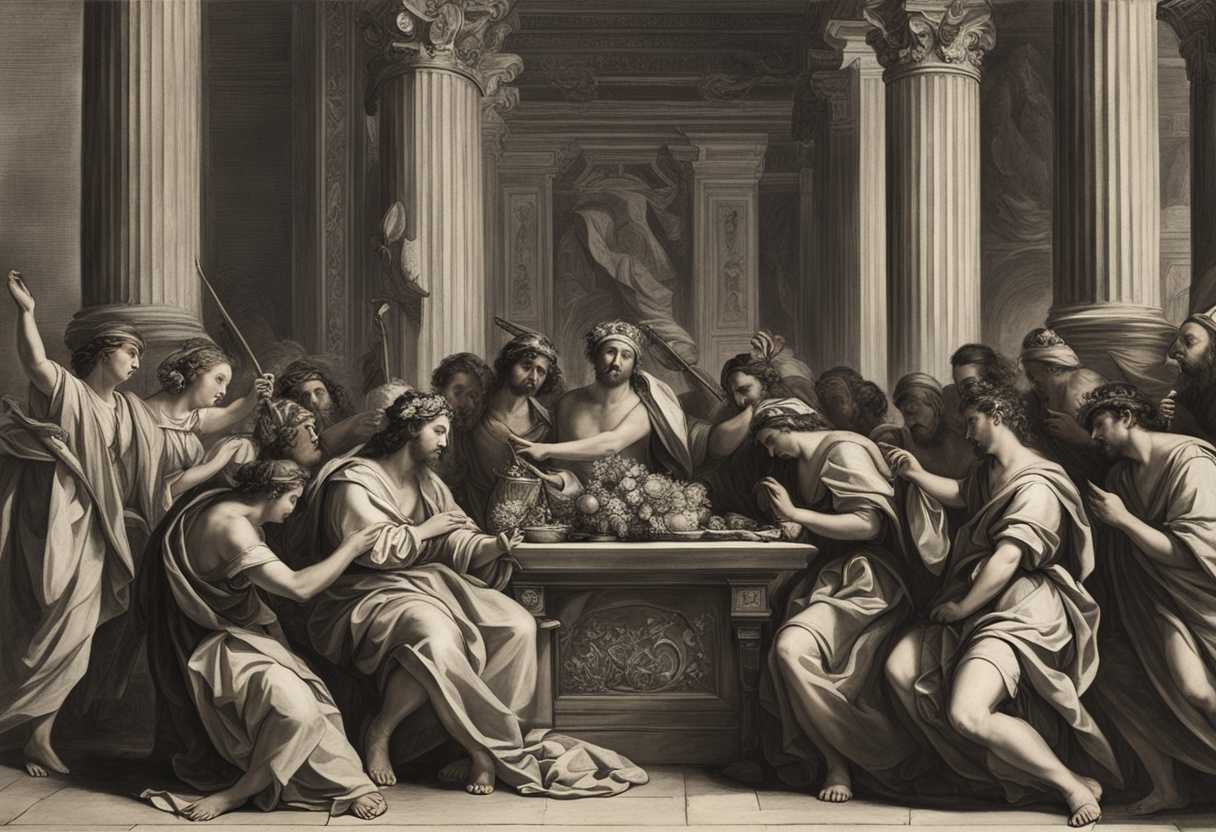
What does 2 Kings 17:13-18 really mean?
2 Kings 17:13-18 is about the consequences of Israel’s disobedience to God’s commandments and worshipping of other gods, leading to their exile and the installment of foreigners in their land as punishment. 13 Yet the Lord warned Israel and Judah by every prophet and every seer, saying, “Turn from your evil ways and keep my…
-

What does Deuteronomy 1:16-17 really mean?
Deuteronomy 1:16-17 is about the importance of impartiality in delivering justice, emphasizing that judgment should be fair and free from partiality or bias towards any individual, regardless of their social status. 16 And I charged your judges at that time, ‘Hear the cases between your brothers, and judge righteously between a man and his brother…
-

What does Matthew 12:25-26 really mean?
Matthew 12:25-26 is about the significance of unity and division, illustrating how a kingdom divided against itself cannot stand, emphasizing the idea that harmony and cohesion are essential for strength and endurance. 25 Knowing their thoughts, he said to them, “Every kingdom divided against itself is laid waste, and no city or house divided against…
-
What does Psalms 105:16-22 really mean?
Psalms 105:16-22 is about how God tested and established Joseph as a leader among his people, demonstrating His faithfulness in fulfilling His promises and delivering those who remained faithful to Him. 16 When he summoned a famine on the land and broke all supply of bread, 17 he had sent a man ahead of them,…
-

What does 2 Kings 17:29-33 really mean?
2 Kings 17:29-33 is about how the people of Samaria adopted the practices of the nations they were resettled among, leading them astray from worshipping the one true God. 29 But every nation still made gods of its own and put them in the shrines of the high places that the Samaritans had made, every…
-

What does John 5:31-32 really mean?
John 5:31-32 is about Jesus highlighting that his testimony about himself is not self-validated but is supported by the corroborating testimony of others like John the Baptist and God the Father. 31 If I alone bear witness about myself, my testimony is not true. 32 There is another who bears witness about me, and I…