
Category: Definitions
-

What the Bible Says About “Go Set a Watchman”
“Go Set a Watchman” is not a Bible verse but is the title of a novel by Harper Lee. In the context of the Bible, the term “watchman” typically refers to a person assigned to be vigilant and alert, often used metaphorically in scriptures like Ezekiel 33:7-9 to describe leaders or prophets who warn others…
-

What the Bible Says About the Meaning of a Pavilion
In the Bible, a “pavilion” typically refers to a dwelling or shelter, often associated with protection and safety. It can symbolize God’s presence and refuge, as seen in passages like Psalm 27:5, where it signifies a place of comfort in times of trouble. Scripture 5 For he will hide me in his shelter in the…
-

What the Bible Says About Idle Behavior
In the Bible, “idle” often refers to being inactive or lazy, particularly in spiritual or moral duties. It can denote a state of being unproductive or lacking purpose, as seen in passages such as 2 Thessalonians 3:11, which admonishes against being idle and encourages diligence in work. Scripture 15 Slothfulness casts into a deep sleep,…
-

What the Bible Says About the Land of Nod: Meaning and Significance
The Land of Nod, mentioned in Genesis 4:16, is where Cain settled after being cursed for killing Abel. The term “Nod” is thought to mean “wandering,” reflecting Cain’s life of exile and restlessness after his transgression. Scripture 13 Cain said to the Lord, “My punishment is greater than I can bear. 14 Behold, you have…
-
What the Bible Says About the Meaning of “Mad”
In the Bible, “mad” often refers to being irrational or driven by intense emotions, particularly anger or fear. It can signify a loss of sanity or divine judgment, as seen in passages like 1 Samuel 21:13-15, where David feigned madness to escape danger. Scripture 10 And David rose and fled that day from Saul and…
-
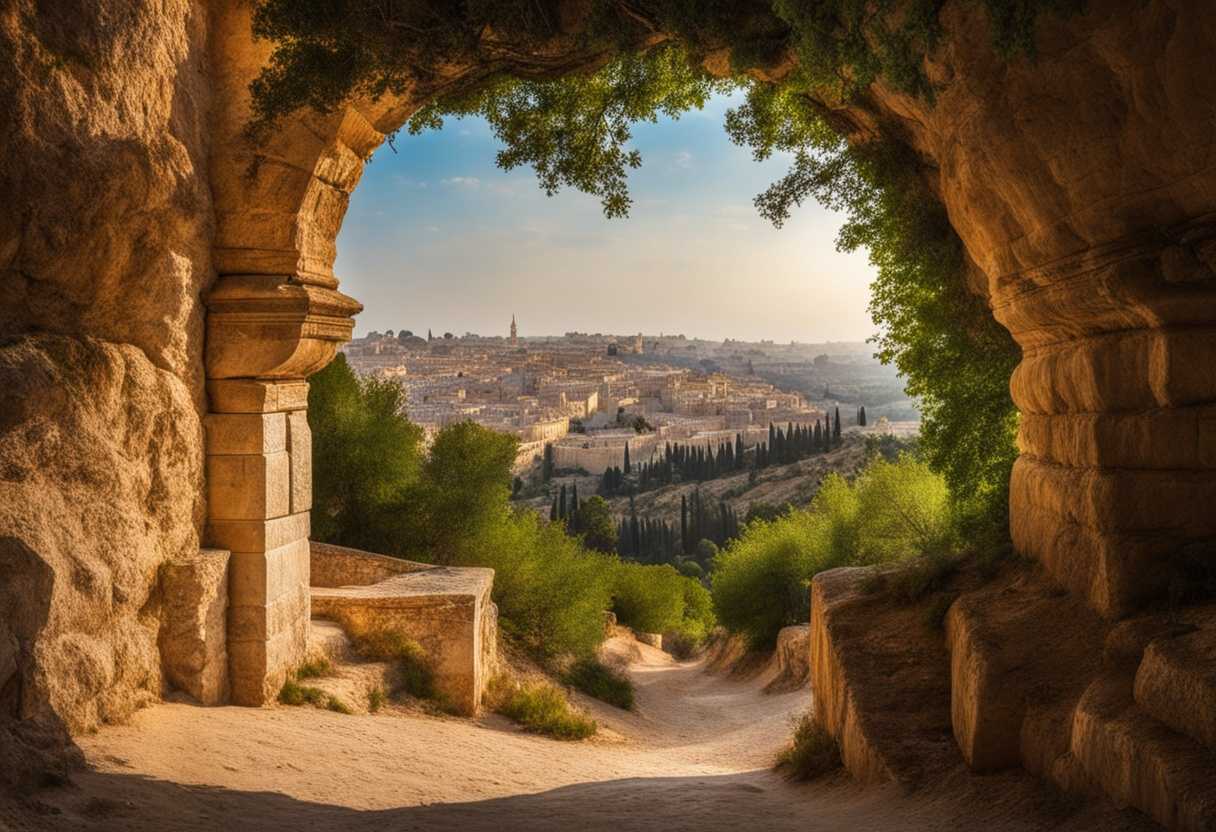
What the Bible Says About the Kidron Valley: Its Meaning and Significance
The Kidron Valley, mentioned in the Bible, is a ravine located between Jerusalem and the Mount of Olives. It is significant as a site associated with various biblical events, including King David’s flight from Absalom (2 Samuel 15:23) and the actions of Jesus during the Passion (John 18:1). Scripture 23 And all the land wept…
-

What the Bible Says About No Jesting: Understanding Its Meaning
The phrase “no jesting” in the Bible, particularly in Ephesians 5:4, refers to avoiding coarse joking, foolish talk, or inappropriate humor that undermines the seriousness of faith and the dignity of conversation. It emphasizes maintaining a sense of reverence and purity in speech as an expression of Christian conduct. Scripture 1 Therefore be imitators of…
-
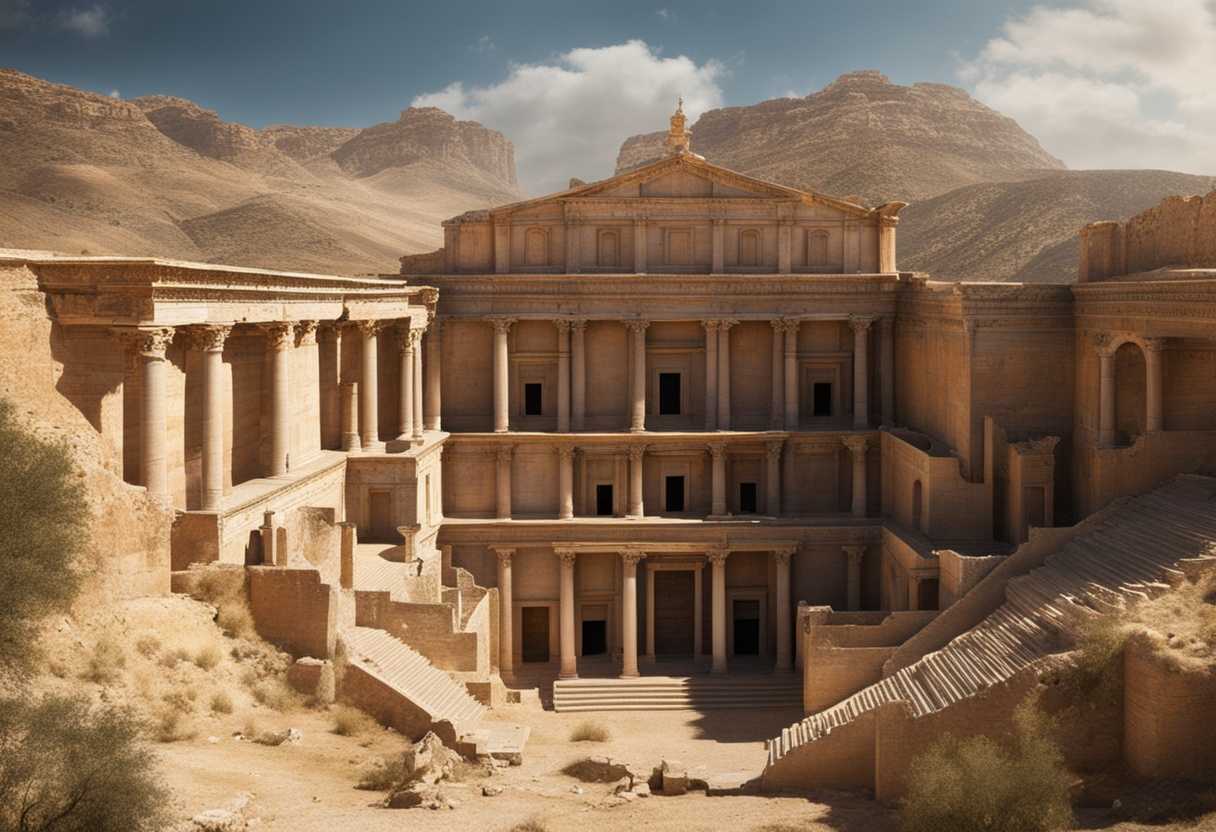
What the Bible Says About the Definition of Rabbah
Rabbah is a biblical city often associated with the capital of the Ammonites, mentioned in the Old Testament, particularly in 2 Samuel 12:26-29. It is known for its connection to King David’s military campaigns and later referred to as Philadelphia during the Hellenistic period. Scripture 11 (For only Og the king of Bashan was left…
-

What the Bible Says About the Meaning of Rue
In the Bible, “rue” refers to a type of herb, known for its bitter taste and often associated with sorrow or regret. It is mentioned in Luke 11:42 as a symbol of the meticulous observance of the Law while neglecting justice and love for God. Scripture 23 “Woe to you, scribes and Pharisees, hypocrites! For…
-
What the Bible Says About Baale of Judah
In the Bible, “Baale of Judah” refers to a location associated with the worship of Baal, a pagan deity, and it is mentioned in 2 Samuel 6:2. The term highlights the blending of Canaanite practices with the worship of Yahweh in ancient Judah. Scripture 2 And David said to all the assembly of Israel, “If…