
Category: Places and Locations
-
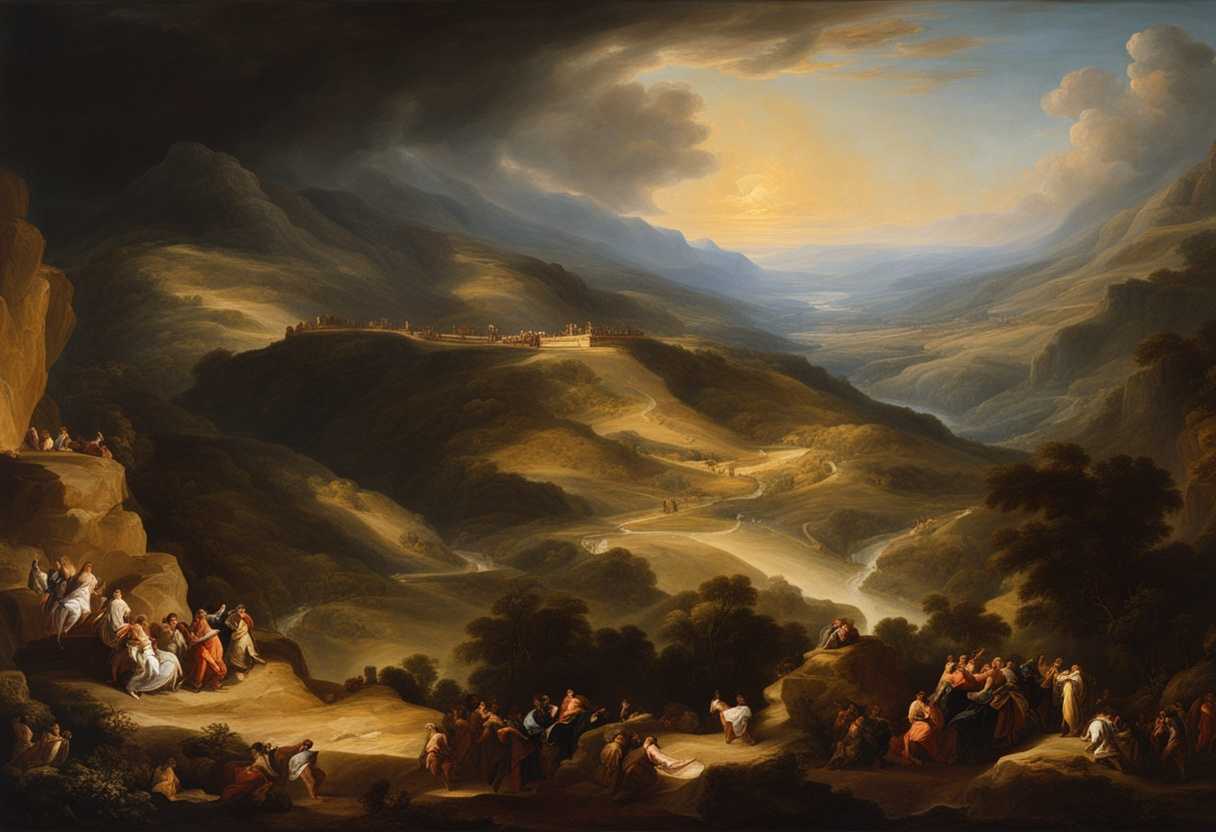
What the Bible Says About Mount Carmel: A Symbol of Faith and Victory
Mount Carmel is a significant biblical location in northern Israel, known for its association with the prophet Elijah and the contest against the prophets of Baal (1 Kings 18). It symbolizes the struggle between true worship of God and idolatry, reflecting themes of faith, divine power, and the sovereignty of the Lord. Scripture 19 Now…
-
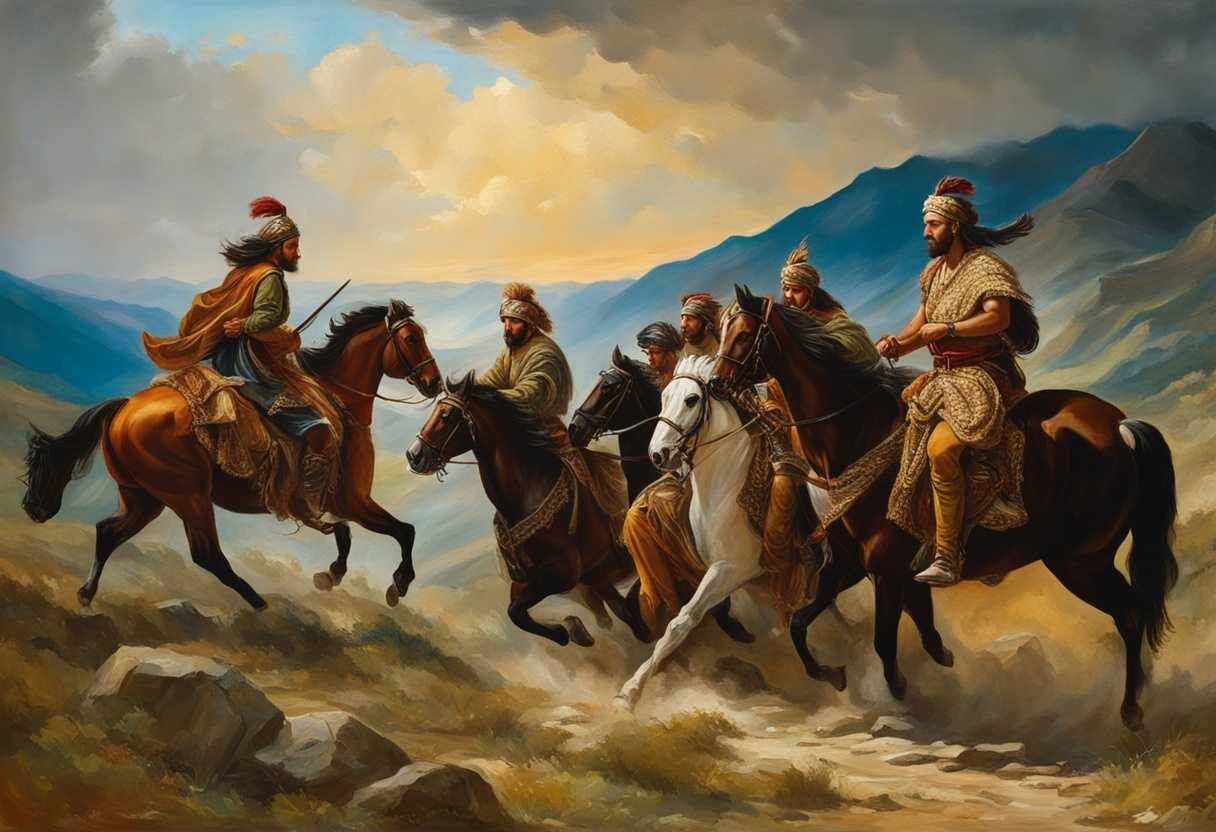
What the Bible Says About Scythians: Understanding Their Definition and Significance
In the Bible, Scythians are described as a group of nomadic tribes known for their skilled horseback riding and warrior culture, often associated with barbarism. They are mentioned in Colossians 3:11, where Paul highlights the unity of believers in Christ, stating that there is neither Greek nor Jew, circumcised nor uncircumcised, barbarian, Scythian, slave nor…
-

What the Bible Says About the Meaning of Baal-Zephon
Baal-Zephon is mentioned in the Bible as a location near the Red Sea, associated with the land of Egypt (Exodus 14:2). The name translates to “Baal of the North,” indicating a connection to the pagan deity Baal, reflecting the surrounding culture and geography during the Israelites’ Exodus. Scripture 14 Then the Lord said to Moses,…
-

What the Bible Says About the Meaning of Dry Land
In the Bible, “dry land” refers to the earth that appears after water has receded, as described in Genesis 1:9 when God gathers the waters, allowing dry land to appear. It symbolizes stability and a good foundation for life, reflecting God’s order in creation. Scripture 9 And God said, “Let the waters under the heavens…
-

What the Bible Says About Goshen: Meaning and Significance
In the Bible, Goshen is described as a fertile region in Egypt where the Israelites settled during their time of slavery, as noted in Genesis 47:6. It symbolizes safety and abundance, serving as a place of refuge for God’s chosen people amidst a foreign land. Scripture 9 Hurry and go up to my father and…
-

What the Bible Says About the Meaning of Kishon
In the Bible, Kishon refers to a river in ancient Canaan, known for its significance in the context of battles, particularly the defeat of Sisera as described in Judges 4 and 5. The name Kishon means “a bending” or “to bend,” reflecting the river’s curving path. Scripture 13 And Sisera called out all his chariots,…
-

What the Bible Says About the Meaning of an Orchard
In the Bible, an orchard typically refers to a cultivated area where fruit trees are grown, symbolizing abundance, beauty, and the blessings of God. It is often associated with prosperity and spiritual fruitfulness, as seen in various scriptures, including Song of Solomon 4:13. Scripture 8 And the Lord God planted a garden in Eden, in…
-
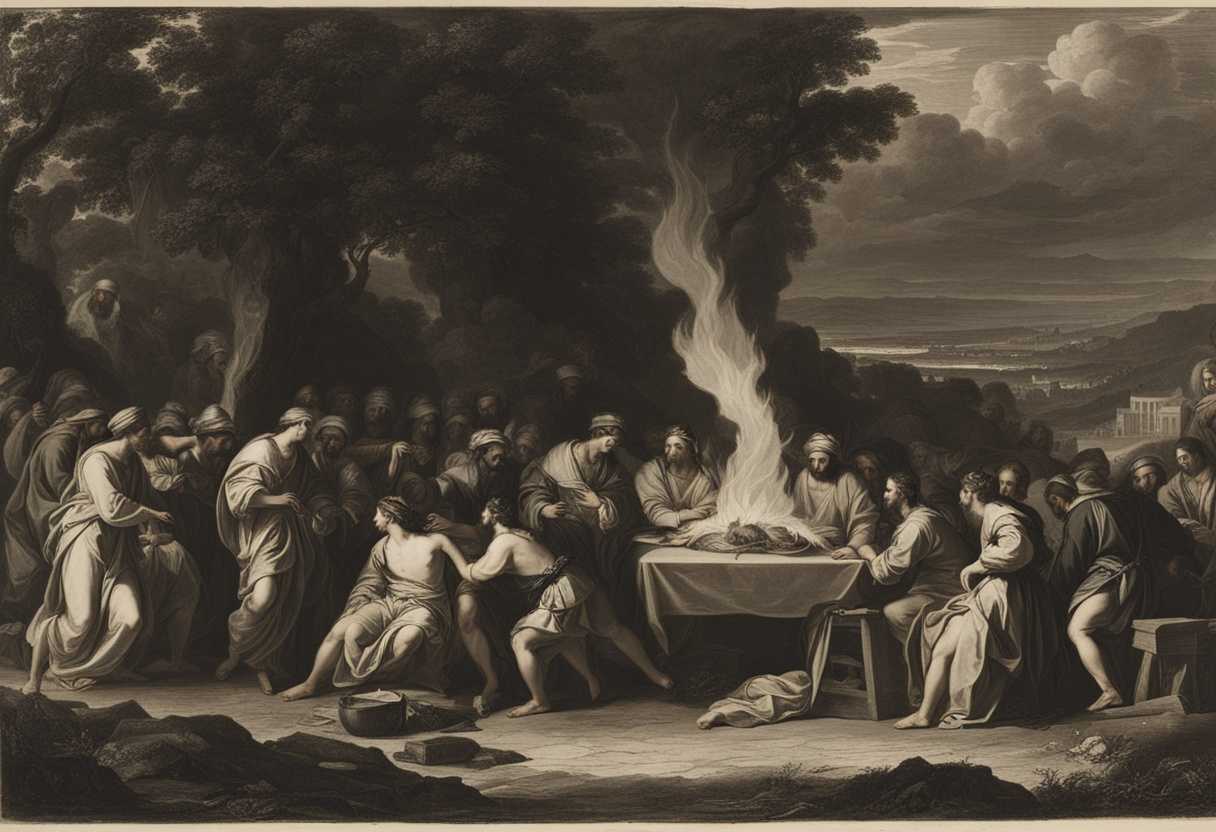
What the Bible Says About the Meaning of Taberah
In the Bible, “Taberah” means “burning” or “kindling” in Hebrew. It refers to a location where the Israelites encamped during their wilderness journey, specifically noted for a fire sent by the Lord as a response to their complaints (Numbers 11:1-3). Scripture 1 And the people complained in the hearing of the Lord about their misfortunes,…
-

What the Bible Says About Zeboiim: Meaning and Significance
Zeboiim, mentioned in the Bible, refers to a location associated with the cities of the plain, specifically linked to Sodom and Gomorrah, and is often interpreted as a place of wickedness. In some contexts, it is also described as a term meaning “fighters” or “place of hyenas,” indicating a harsh and inhospitable region. Scripture 19…
-

What the Bible Says About the Meaning of Keilah
In the Bible, Keilah is a city located in the territory of Judah, mentioned in 1 Samuel 23:1-5, where David sought refuge from Saul and protected the city from the Philistines. The name Keilah is often associated with the meaning “fortress” or “city of the strong.” Scripture 6 When Abiathar the son of Ahimelech had…