
Category: Places and Locations
-
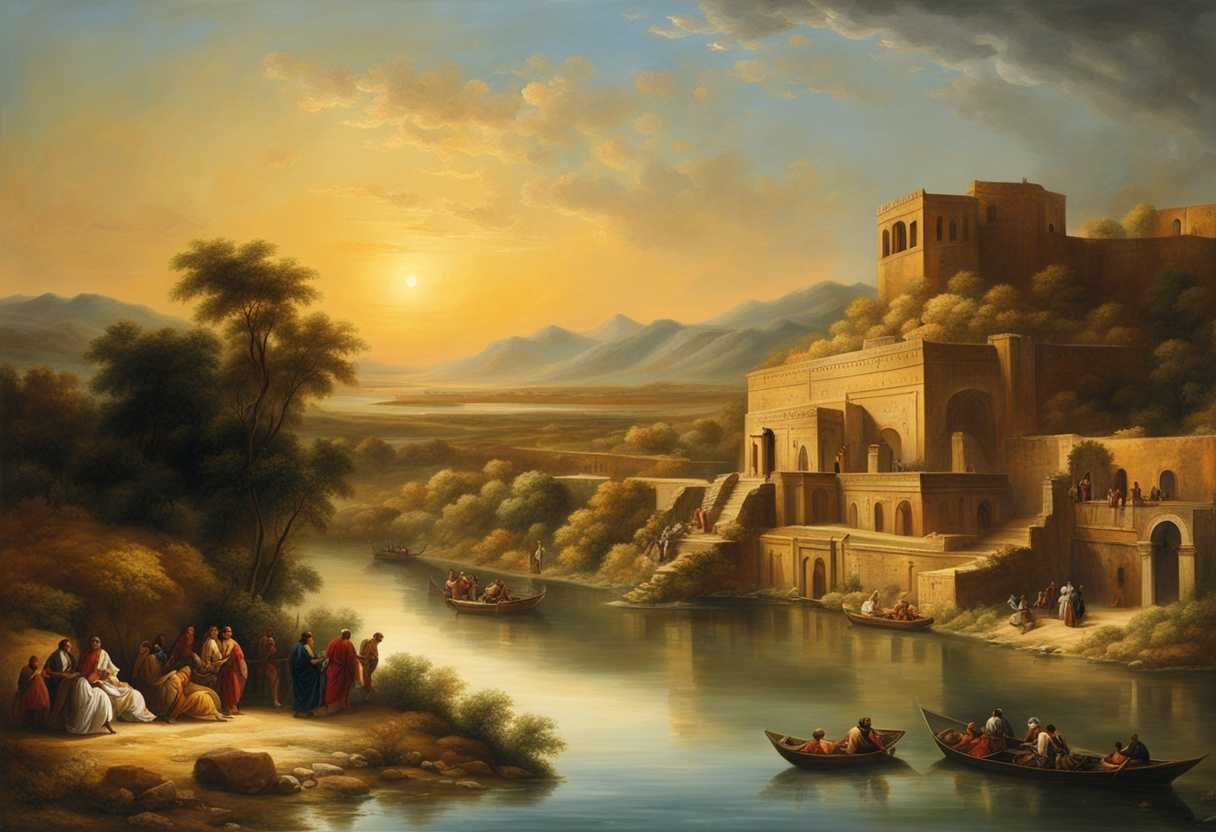
What the Bible Says About the Trans-Euphrates Region
In the Bible, “Trans-Euphrates” refers to the regions located across the Euphrates River, often associated with the territories of ancient Mesopotamia, including parts of modern-day Iraq and Syria. It is mentioned in contexts involving the lands where various nations and peoples interacted with the Israelites, such as in the narratives of the Old Testament. Scripture…
-

What the Bible Says About Beersheba: Its Meaning in Hebrew
In Hebrew, Beersheba (בְּאֵר שֶׁבַע) means “well of the oath” or “well of seven.” The name reflects the seven lambs Abraham gave to Abimelech as a testimony of their agreement, as well as the presence of a well that provided sustenance in the region. Scripture 22 At that time Abimelech and Phicol the commander of…
-

What the Bible Says About Edom: Meaning and Significance
In the Bible, Edom refers to both a country located south of Israel and the descendants of Esau, the twin brother of Jacob (Israel). The term “Edom” means “red” in Hebrew, which is a reference to the red stew for which Esau famously traded his birthright (Genesis 25:30). Scripture 29 Once when Jacob was cooking…
-
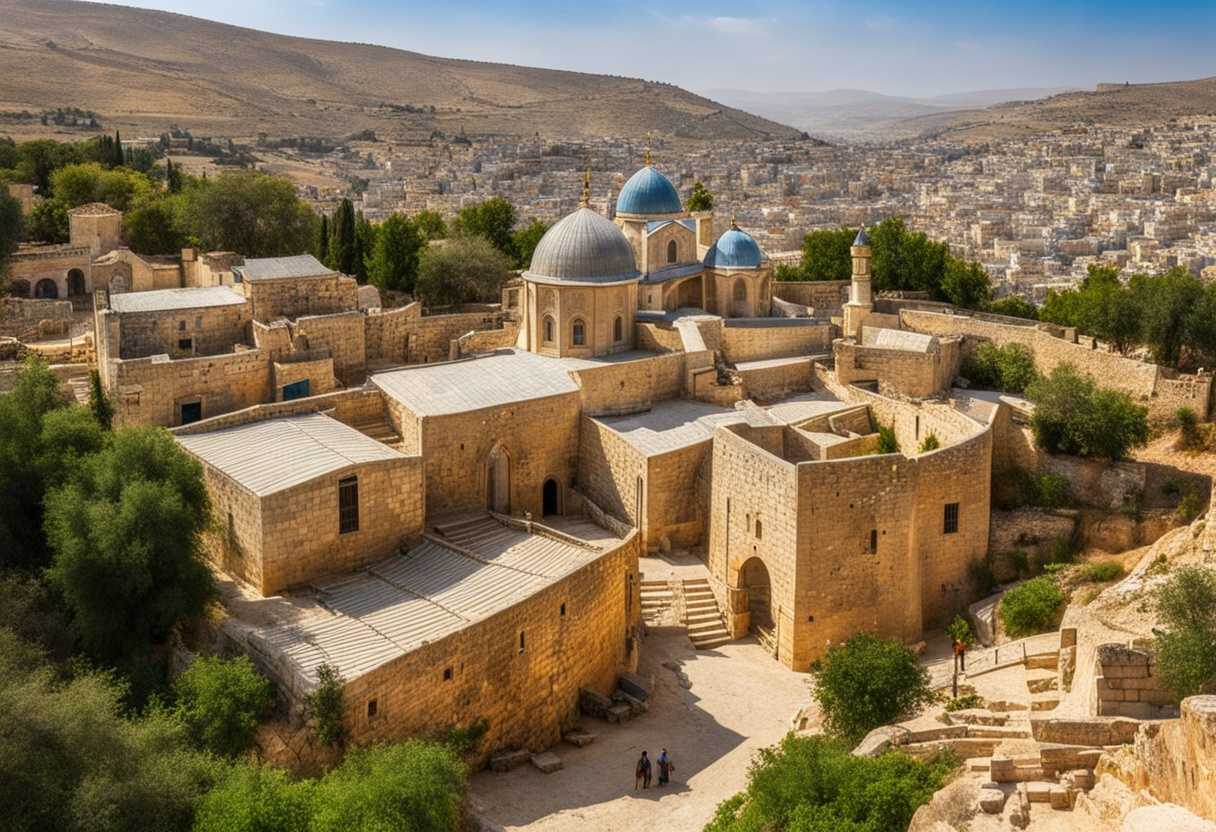
What the Bible Says About Hebron
Hebron, in the Bible, is a significant ancient city located in the southern part of Canaan, known as the burial place of the patriarch Abraham and his family. It symbolizes a place of ancestry, covenant, and the fulfillment of God’s promises to the descendants of Abraham. Scripture 18 So Abram moved his tent and came…
-

What the Bible Says About Kadesh: Its Meaning and Significance
Kadesh, in the Bible, refers to a significant oasis located in the wilderness of Zin, known as Kadesh-Barnea. It is notable as a key site during the Israelites’ Exodus journey, where they camped and sent spies into the Promised Land (Numbers 13:26, Deuteronomy 1:19). Scripture 26 And they came to Moses and Aaron and to…
-

What the Bible Says About the Meaning of Ararat
In the Bible, Ararat refers to the mountainous region where Noah’s Ark came to rest after the Great Flood (Genesis 8:4). It is often identified with the modern-day Ararat mountain range in eastern Turkey and symbolizes a place of new beginnings and divine promise. Scripture 4 And in the seventh month, on the seventeenth day…
-
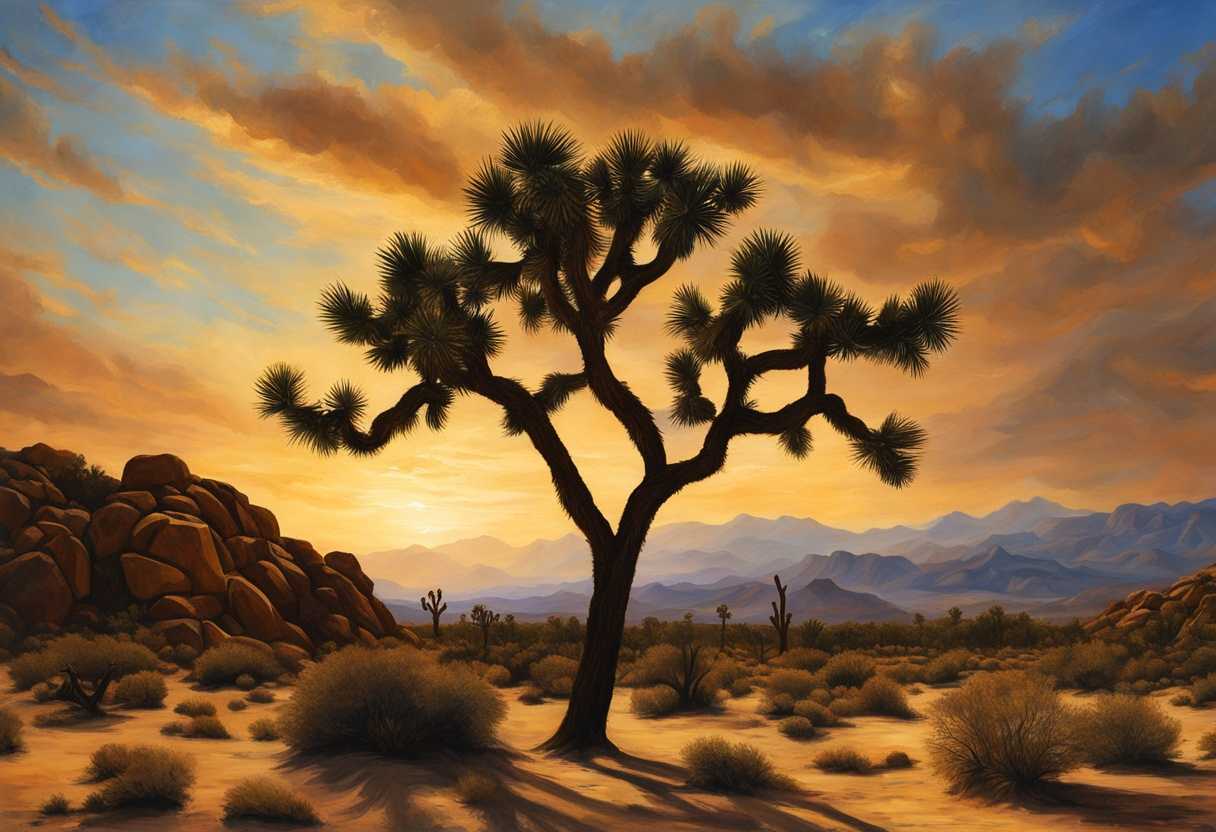
What the Bible Says About the Joshua Tree: Symbolism and Meaning
The Joshua Tree is not explicitly mentioned in the Bible, but its name is derived from the biblical figure Joshua. Some interpret the tree’s unusual appearance as symbolic of God’s guidance and presence in the wilderness, akin to how Joshua led the Israelites into the Promised Land. Scripture 22 Then Moses made Israel set out…
-

What the Bible Says About the Euphrates River: Its Meaning and Significance
The Euphrates River is significant in the Bible as one of the four main rivers mentioned in the Garden of Eden (Genesis 2:14), symbolizing abundance and life. It also serves as a boundary in various biblical narratives and is associated with prophecies of judgment and the end times, particularly in the Book of Revelation (Revelation…
-
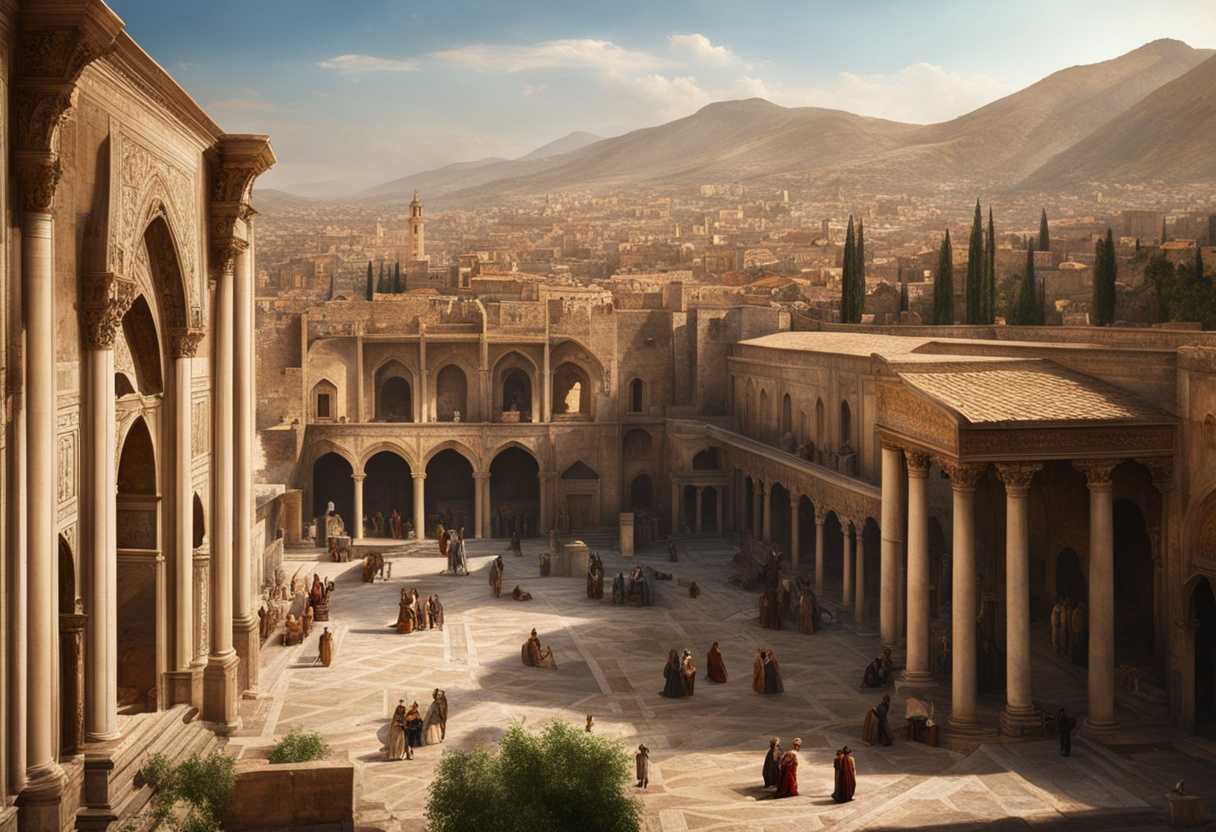
What the Bible Says About the Meaning of Aram
In the Bible, Aram refers to a region and the people associated with it, particularly known as the Arameans. It is often mentioned in relation to its cities, such as Damascus, and is considered an ancestral homeland of several biblical figures, including Abraham’s ancestors. Scripture 22 The sons of Shem: Elam, Asshur, Arpachshad, Lud, and…
-
What the Bible Says About the Meaning of Gibeon
In the Bible, Gibeon refers to a city of the Hivites, known for its strategic location and as a center of worship. It is significant for its inhabitants’ deception of the Israelites leading to a treaty, and it later became a refuge for the Ark of the Covenant (Joshua 9; 2 Samuel 6:4). Scripture 3…