
In the Bible, “Taberah” means “burning” or “kindling” in Hebrew. It refers to a location where the Israelites encamped during their wilderness journey, specifically noted for a fire sent by the Lord as a response to their complaints (Numbers 11:1-3).
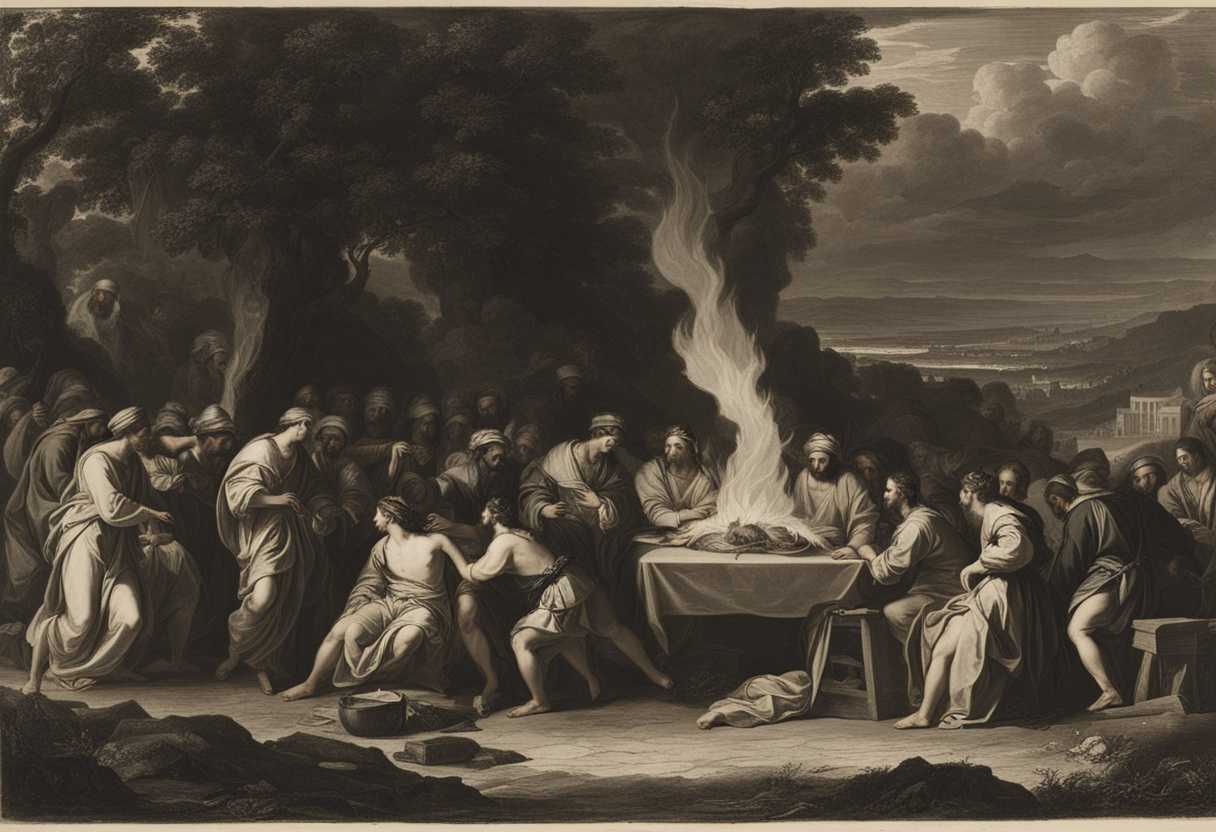
Scripture
1 And the people complained in the hearing of the Lord about their misfortunes, and when the Lord heard it, his anger was kindled, and the fire of the Lord burned among them and consumed some outlying parts of the camp.
2 Then the people cried out to Moses, and Moses prayed to the Lord, and the fire died down.
3 Then the people cried out to Moses, and Moses prayed to the Lord, and the fire died down.
Meaning of Taberah in the Bible
In the narrative of the Israelites’ wilderness journey, Taberah serves as a poignant reminder of the consequences of discontent and ingratitude towards God’s provision. Located in the region where the Israelites encamped after leaving Sinai, Taberah emerges as a place of divine judgment, characterized by the fire that consumed portions of the camp due to the people’s complaints. In Numbers 11:1-3, it is recorded that the people of Israel “complained” and displeased the Lord, leading to this fiery manifestation of His wrath. This incident underscores a crucial theme in the wilderness narratives: God’s response to human dissatisfaction and the importance of gratitude for the sustenance provided by Him.
The broader meaning of Taberah transcends its geographical significance; it reflects the human tendency to grumble against divine care in times of hardship. The fire at Taberah not only signifies judgment but also serves as a call for reflection on the relationship between Israel and God. As noted in 1 Corinthians 10:10, where Paul warns against the Israelites’ complaints leading to destruction, Taberah exemplifies the spiritual dangers of ingratitude and the necessity of recognizing God’s sovereignty in all circumstances. Ultimately, Taberah becomes a historical and theological marker, reminding believers of the importance of maintaining a posture of thankfulness, even in trials, and recognizing the seriousness of turning away from God’s grace.
The reference to Taberah in the wilderness journey holds deeper theological implications that resonate throughout biblical literature. This incident illustrates not only the immediate consequences of rebellion and dissatisfaction but also serves as a poignant illustration of the relational dynamics between God and His people. Taberah acts as a narrative pivot, emphasizing how the sin of the Israelites was not solely about their complaints but also about the heart attitudes behind those complaints. Their yearning for the familiar comforts of Egypt, despite the oppressive bondage they endured there, reveals a troubling human inclination to forget past hardships when faced with current trials.
Moreover, Taberah reveals the tension in the relationship between divine justice and mercy. The fire that consumed parts of the camp is a stark representation of God’s holiness and the serious nature of turning away from Him. Nonetheless, the contours of God’s character throughout the wilderness tales reflect His desire for reconciliation and restoration, as seen in His continued guidance and provision even after the Israelites exhibited their lack of faith. Instances such as these prompt believers to examine their own spiritual journey, urging them to acknowledge and confront feelings of dissatisfaction or discontentment with a heart focused on gratitude and trust in God’s ongoing provision. In exploring the implications of Taberah, one uncovers the timeless call to remain faithful, cultivate a spirit of thankfulness, and recognize the dangers of taking God’s grace for granted amidst life’s challenges.
The Consequences of Complaining
Taberah, which translates to “burning,” serves as a poignant reminder of the consequences of discontent and complaining against God. In the biblical narrative, the events surrounding Taberah highlight how the Israelites’ grievances led to divine judgment. This underscores a broader theme in scripture regarding the importance of gratitude and the dangers of a complaining spirit, illustrating that dissatisfaction can lead to dire consequences.
The Nature of Divine Judgment
The name Taberah also reflects the nature of divine judgment. The “burning” associated with this place symbolizes God’s response to the people’s rebellion and lack of faith. This serves as a broader theological lesson about God’s holiness and justice, emphasizing that while God is merciful, He is also righteous and will not overlook sin. The events at Taberah remind believers of the seriousness of their actions and the need for repentance.
The Call to Spiritual Reflection
Taberah can also be seen as a call to spiritual reflection and self-examination. The incidents that occurred there prompt individuals to consider their own attitudes and behaviors in relation to their faith. It encourages believers to reflect on their relationship with God, urging them to seek a heart of gratitude rather than one of complaint. This broader meaning invites a deeper understanding of one’s spiritual journey and the importance of maintaining a positive and faithful disposition in the face of challenges.
How to Embrace Growth in Faith and Service
Embracing growth in faith and service is a beautiful journey that requires both intention and openness to God’s leading. Start by nurturing your relationship with Him through daily prayer and scripture reading; these practices will deepen your understanding and connection to His word. As you grow in faith, look for opportunities to serve others—whether it’s volunteering at your local church, helping a neighbor in need, or simply offering a listening ear to a friend. Remember, service is not just about the act itself, but the love and humility with which you approach it. Surround yourself with a community of believers who can encourage and challenge you, and don’t be afraid to step out of your comfort zone; growth often happens when we take those brave steps. Trust that God is at work in you, shaping you into the person He created you to be, and rejoice in the small victories along the way.
Bible References to Taberah’s Meaning:

Rev. François Dupont is a dedicated church minister with a wealth of experience in serving spiritual communities. With a calm and serene demeanor, he has been devoted to sharing the message of love, compassion, and tolerance for over two decades. Through his thoughtful sermons, compassionate counseling, and unwavering support, Rev. Dupont has touched the lives of countless individuals, allowing them to find solace and strength during difficult times. His serene presence and deep understanding of the human condition make him a trusted guide for those seeking spiritual nourishment and guidance.