
1 Chronicles 6:1-3 is about the genealogy of the Levites, tracing their descent from Levi, the son of Jacob, who was chosen by God to serve in the priestly duties of the Tabernacle.
1 The sons of Levi: Gershon, Kohath, and Merari.
2 Amram fathered Aaron, and Aaron fathered Nadab, Abihu, Eleazar, and Ithamar.
3 The children of Amram: Aaron, Moses, and Miriam. The sons of Aaron: Nadab, Abihu, Eleazar, and Ithamar.
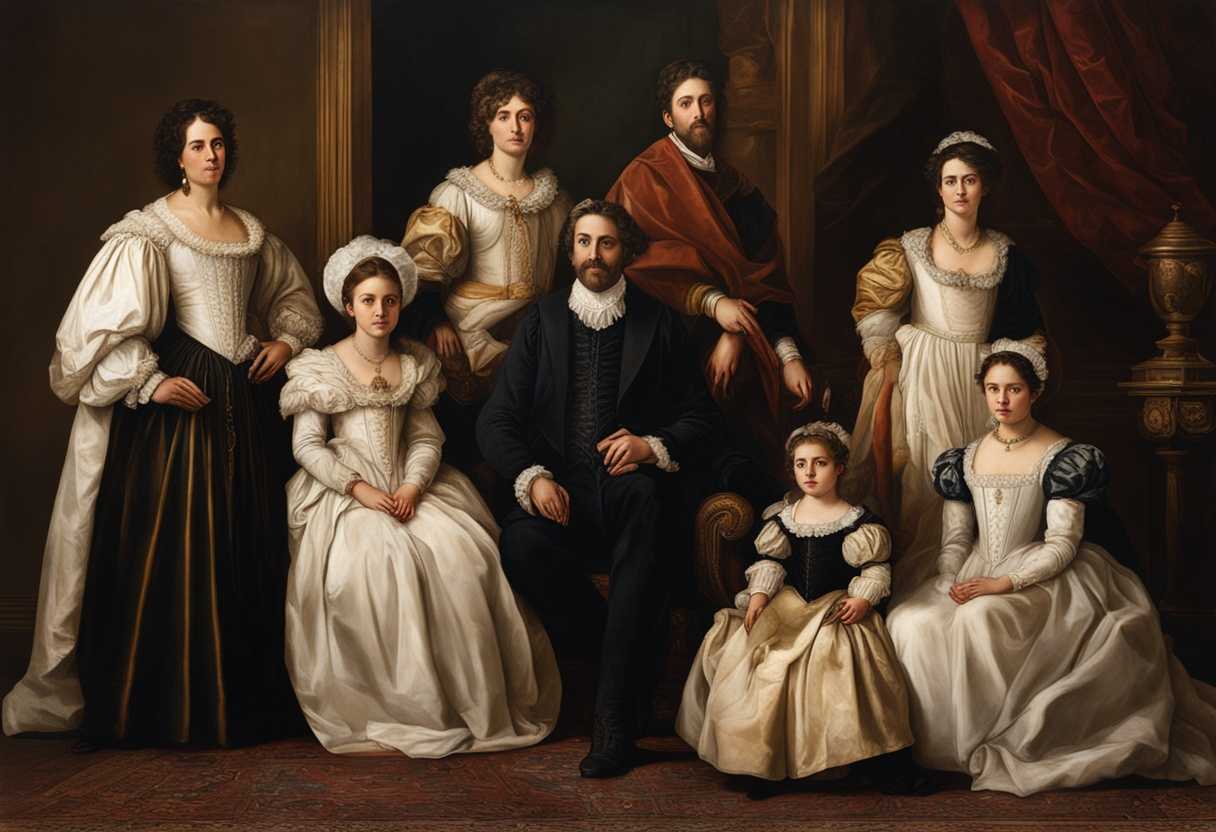
Setting the Scene for 1 Chronicles 6:1-3
The scene in 1 Chronicles 6:1-3 takes place in the city of Jerusalem, specifically at the temple of the Lord. The chapter begins by listing the sons of Levi: Gershon, Kohath, and Merari. These were the Levites who were responsible for the service of the temple, including the care of the tabernacle and its furnishings. The Levites were chosen by God to assist the priests in their duties and to lead the people in worship.
In this scene, we see the Levites gathered together in the temple courtyard, preparing for their service. The air is filled with the sound of prayers and praises as they offer sacrifices and incense to the Lord. The Levites are dressed in their sacred garments, each one carrying out their assigned tasks with reverence and dedication. The scene is one of solemnity and devotion, as the Levites fulfill their role in the worship of God.
As the Levites go about their duties, the people of Jerusalem come to the temple to offer their own sacrifices and prayers. The courtyard is bustling with activity, as priests and worshipers alike come to seek the presence of the Lord. The scene is a vivid picture of the worship life of ancient Israel, with the Levites at the center of it all, leading the people in the worship of their God.
What is 1 Chronicles 6:1-3 about?
The mention of the genealogy of the Levites, specifically Aaron, Moses, and their descendants, in this verse highlights the importance of lineage and heritage within the context of religious leadership and service. It reminds us of the rich historical roots from which these influential figures emerged, tracing their ancestral lineage and connecting them to a larger narrative of faith and tradition. The verse emphasizes the idea of continuity and legacy within the Levite community by acknowledging their lineage, showcasing the passing down of responsibilities and roles from one generation to the next. This verse prompts us to reflect on the significance of knowing and understanding one’s ancestry, as it can provide a sense of identity, purpose, and belonging. We are encouraged to appreciate the contributions and sacrifices of those who came before us by recognizing the lineage of revered figures like Aaron and Moses. It also underscores the idea of a shared heritage within a community, uniting individuals through a common past and shared values. This verse ultimately invites us to consider the power of ancestry in shaping our present circumstances and guiding us towards a future rooted in tradition and faith.
Understanding what 1 Chronicles 6:1-3 really means
The Book of Chronicles serves as a vital record of the genealogies and history of Israel, shedding light on the lineage of key figures and the fulfillment of God’s promises throughout generations. Genealogies in the Bible play a crucial role in establishing connections between individuals and showcasing the divine plan unfolding through family lines. In 1 Chronicles 6:1-3, we encounter significant names that trace back to the tribe of Levi, highlighting their roles in the service of God and the nation of Israel.
Levi, the third son of Jacob and Leah, is the patriarch of the Levites, who were set apart for the priestly duties within the Israelite community. Gershon, Kohath, and Merari, the sons of Levi, each had distinct responsibilities in the service of the Tabernacle, emphasizing the importance of order and specialization in worship. Amram, a descendant of Kohath, holds a prominent place as the father of Moses, Aaron, and Miriam, pivotal figures in the Exodus narrative and the establishment of Israelite worship practices.
Exploring related passages such as Exodus 6:16-20 and Numbers 3:17-39 provides additional insights into the genealogy of Levi and the detailed duties assigned to the Levites. These passages underscore the meticulous organization of the priesthood and the significance of each individual’s contribution to the worship of God. Hebrews 7:11-17 further delves into the transition from the Levitical priesthood to the eternal priesthood of Jesus Christ, highlighting the continuity of God’s redemptive plan across history.
Today, understanding our spiritual heritage and recognizing the legacy of faith passed down through generations is crucial. Spiritual leaders, like the Levites of old, bear the responsibility of guiding communities in worship and service to God. By reflecting on the dedication of past generations and embracing our role in continuing God’s work, we contribute to the spiritual growth and well-being of our communities.
Consider a modern-day family that has faithfully served in ministry for multiple generations, embodying the impact of a lineage dedicated to God’s service. Their commitment inspires and equips the next generation to carry on the legacy of faith, emphasizing the importance of passing down spiritual values and practices within families. Just as Amram nurtured Moses, Aaron, and Miriam in the ways of the Lord, our parenting and mentoring play a vital role in shaping the faith of future generations.
As we ponder on the significance of being set apart for God’s service, let us reflect on the leadership and obedience exemplified by Moses and Aaron. Their unwavering faith and obedience led to the deliverance of Israel, showcasing the transformative power of God working through obedient servants. May we draw inspiration from their example and commit ourselves to serving God wholeheartedly, leaving a legacy of faithfulness for those who follow in our footsteps.
In conclusion, let us meditate on our spiritual heritage and the legacy we are building for future generations. May we be encouraged by the faithfulness of those who have gone before us and be inspired to walk in their footsteps, serving God with dedication and passion. Let us offer a prayer for God’s guidance and blessing as we continue the journey of faith, trusting in His faithfulness to fulfill His promises through us.
What is the significance of our family lineage?
Our family lineage plays a significant role in establishing our identity and heritage. It connects us to our ancestors and allows us to trace back our roots to understand where we come from. We acknowledge the sacrifices and experiences of those who came before us by recognizing and honoring our lineage, shaping who we are today.
Furthermore, our family lineage can serve as a source of inspiration and guidance. It can offer us a sense of belonging and pride in our heritage, motivating us to carry on the values and traditions passed down through generations. Understanding our lineage can provide a sense of continuity and purpose, allowing us to see ourselves as part of a larger story that stretches back in time. We honor our ancestors and contribute to preserving our cultural and historical heritage for future generations by valuing and preserving our family lineage. It reminds us of the legacy we carry and the responsibility we have in passing it on to our children and grandchildren. Embracing our family lineage can unite us with our past, present, and future, strengthening our sense of identity and belonging within the larger tapestry of human history.
Application
Discover the roots of your faith in 1 Chronicles 6:1-3 and see the strength that runs through your family tree. Your ancestors laid the groundwork for your beliefs – how will you carry on their legacy for future generations? Stand tall and firm like a mighty tree, nourishing your faith with each action and word, creating a sheltering canopy for all who follow in your footsteps. Will you be the sturdy trunk that supports the branches of your family’s faith?

Reverend Michael Johnson is an experienced Church Minister with a profound expertise in spirituality and guidance. With a serene presence and a compassionate heart, he has faithfully served his congregation for over 20 years, leading them on a spiritual journey towards inner peace and enlightenment. Reverend Johnson’s extensive knowledge of religious philosophies and profound understanding of human nature have made him a trusted confidant and mentor to many, as he seamlessly weaves his profound wisdom into life teachings. Reverend Johnson’s calming demeanor and empathetic nature continue to uplift and heal souls, nurturing a sense of unity and tranquility within his community.