
Isaiah 1:11-15 is about God rejecting empty displays of religion and calling for genuine repentance and righteous living instead of merely going through religious motions without sincere hearts.
11 “What to me is the multitude of your sacrifices? says the Lord; I have had enough of burnt offerings of rams and the fat of well-fed beasts; I do not delight in the blood of bulls, or of lambs, or of goats.”
12 “When you come to appear before me,
who has required of you
this trampling of my courts?
13 Bring no more vain offerings; incense is an abomination to me.
14 Your new moons and your appointed feasts my soul hates; they have become a burden to me; I am weary of bearing them.
15 When you spread out your hands,
I will hide my eyes from you;
even though you make many prayers,
I will not listen;
your hands are full of blood.
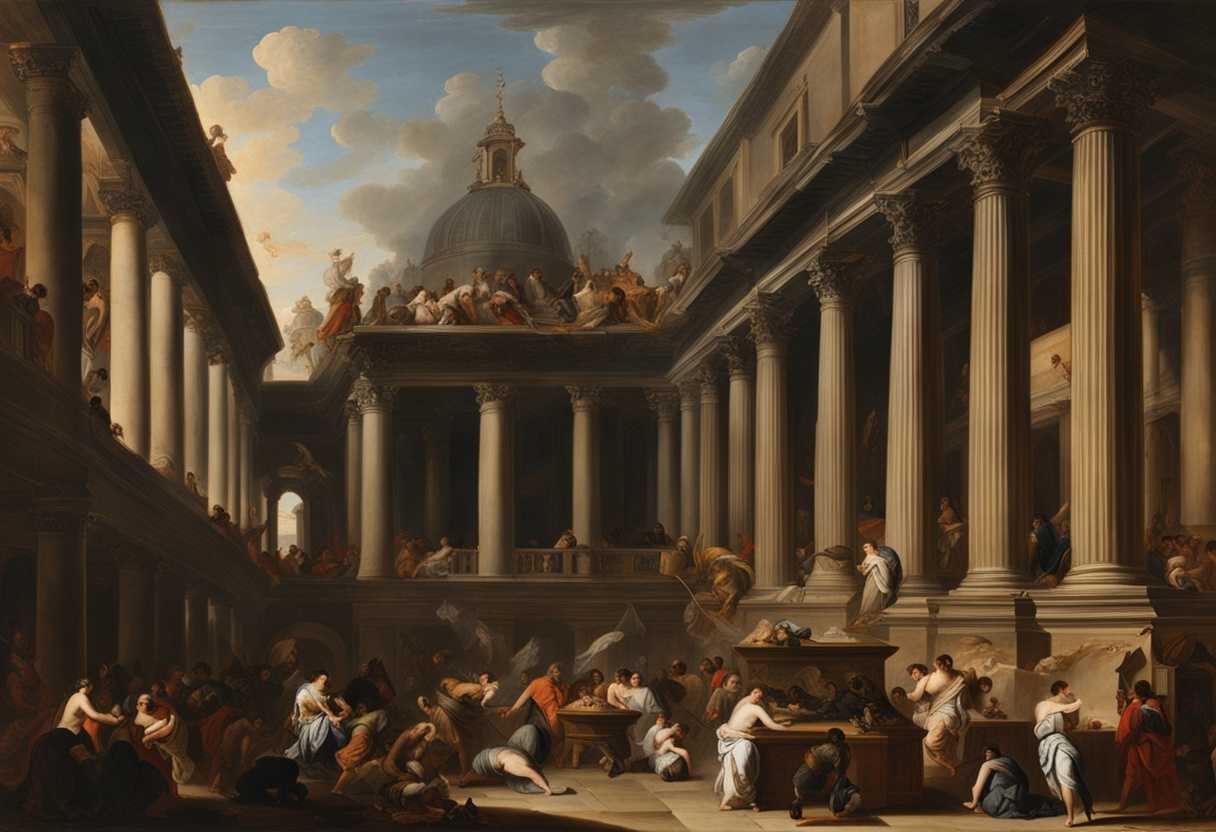
Setting the Scene for Isaiah 1:11-15
The scene in Isaiah 1:11-15 takes place in the temple of Jerusalem during the time of the prophet Isaiah. The temple is bustling with activity as priests and worshippers go about their religious duties. The air is filled with the scent of incense and the sound of prayers being offered up to God. The temple is adorned with intricate carvings and decorations, symbolizing the grandeur and reverence of the place.
In the scene, we see Isaiah standing amidst the crowd, his face reflecting a mix of sadness and righteous anger. He is surrounded by priests and religious leaders who are going through the motions of offering sacrifices and observing rituals. However, their hearts are far from God, their actions mere formalities devoid of true devotion.
Isaiah’s voice cuts through the noise of the temple as he delivers a message from God, condemning the empty sacrifices and hypocritical worship of the people. He calls them to repentance, urging them to seek justice, correct oppression, and defend the fatherless and the widow. The scene is tense as Isaiah’s words challenge the religious leaders to examine their hearts and return to a genuine relationship with God.
What is Isaiah 1:11-15 about?
Genuine worship and true dedication to God are important in this verse. It serves as a reminder that simply going through the motions of religious rituals without a sincere heart does not please God. It challenges us to reflect on our own actions and intentions in our worship practices. Are we simply going through the motions, or are we truly seeking to honor God with our whole being?
God desires justice and righteousness in our worship, not just empty gestures or sacrifices. It prompts us to consider how our worship extends beyond just outward actions, but also reflects the true state of our hearts. Are we living lives that uphold justice and righteousness both in our worship practices and in our daily lives? We are invited to delve deeper into our relationship with God and assess the authenticity of our worship. This verse ultimately calls us to align our actions with our beliefs and values, emphasizing the importance of genuine worship and righteous living. It challenges us to examine our motives and ensure that our worship is not just a show, but a true reflection of our love and commitment to God. Let us strive to offer our worship with a pure and sincere heart, showing God that our dedication goes beyond mere outward displays.
Understanding what Isaiah 1:11-15 really means
In the book of Isaiah, we encounter a powerful message from God through the prophet Isaiah. This passage specifically delves into the theme of the emptiness of ritualistic worship devoid of true devotion and righteousness. God questions the multitude of sacrifices brought before Him, emphasizing that He values sincere hearts over mere outward actions. The weariness expressed by God towards the offerings signifies a disconnect between the people’s rituals and His desires. The call to cease meaningless offerings serves as a poignant reminder for us to prioritize genuine worship and righteous living over empty practices.
Drawing parallels from other biblical passages, such as 1 Samuel 15:22 and Micah 6:6-8, we see a consistent emphasis on God valuing obedience, justice, mercy, and humility above ritualistic sacrifices. Jesus’ critique of the Pharisees in Matthew 23:23 further reinforces the importance of focusing on the weightier matters of faith rather than getting lost in minor rituals. These passages collectively highlight the timeless truth that God desires authentic worship that is reflected in our actions and treatment of others.
The relevance of this message to contemporary society is striking. Many individuals today may engage in religious activities without allowing their faith to permeate their hearts and influence their behavior. The anecdote of a person who outwardly practices religious duties but lacks love and justice in their daily life serves as a sobering reminder of the danger of empty worship. True faith should lead to a transformation of both our inner being and our outward conduct, aligning our actions with the teachings of Christ.
As we reflect on this passage, we are prompted to evaluate our own worship practices. Are we merely going through the motions of religious rituals, or are we cultivating a deep, authentic relationship with God that is evident in how we live each day? The call to action is clear: let us strive to align our worship with our actions, ensuring that our faith is not confined to mere observances but is manifested in our interactions with others and our commitment to living out God’s principles. Let us seek to embody genuine worship that flows from a sincere heart and impacts every aspect of our lives.
Are our religious practices pleasing to God’s heart?
God expresses displeasure with the Israelites’ religious practices in Isaiah 1:11-15, stating that their sacrifices and offerings have become meaningless to Him. He views their gatherings and festivals as meaningless and detests their incense offerings. The reason for God’s disapproval is that the Israelites’ hearts are not right with Him, their hands are full of blood, and their prayers go unanswered. God desires genuine worship that comes from a heart of obedience and righteousness. A true, heartfelt relationship with Him pleases God, not just outward religious practices. Our worship and service should flow from a heart that is pure and obedient to His will. It is not simply about going through the motions of religious rituals, but about living a life that is in alignment with God’s ways. Our piety and devotion must be sincere and genuine, grounded in a deep love for God and a desire to obey His commands.
Application
Let’s strip away the facades and unveil our true intentions in our worship to God. Is our commitment genuine or just a show for others? Let’s pour our hearts and souls into our relationship with the divine with authenticity and purpose. Are we truly walking the path we claim to follow, or are we lost in the noise of insincerity? Take a moment to reflect, to recalibrate, and to offer a true gift of devotion to the divine today. What can you present that truly resonates with the depths of your being?

Reverend Michael Johnson is an experienced Church Minister with a profound expertise in spirituality and guidance. With a serene presence and a compassionate heart, he has faithfully served his congregation for over 20 years, leading them on a spiritual journey towards inner peace and enlightenment. Reverend Johnson’s extensive knowledge of religious philosophies and profound understanding of human nature have made him a trusted confidant and mentor to many, as he seamlessly weaves his profound wisdom into life teachings. Reverend Johnson’s calming demeanor and empathetic nature continue to uplift and heal souls, nurturing a sense of unity and tranquility within his community.