
Isaiah 40:20 is about warning against idolatry and the foolishness of creating and worshiping idols made of gold and silver, which are powerless and cannot save.
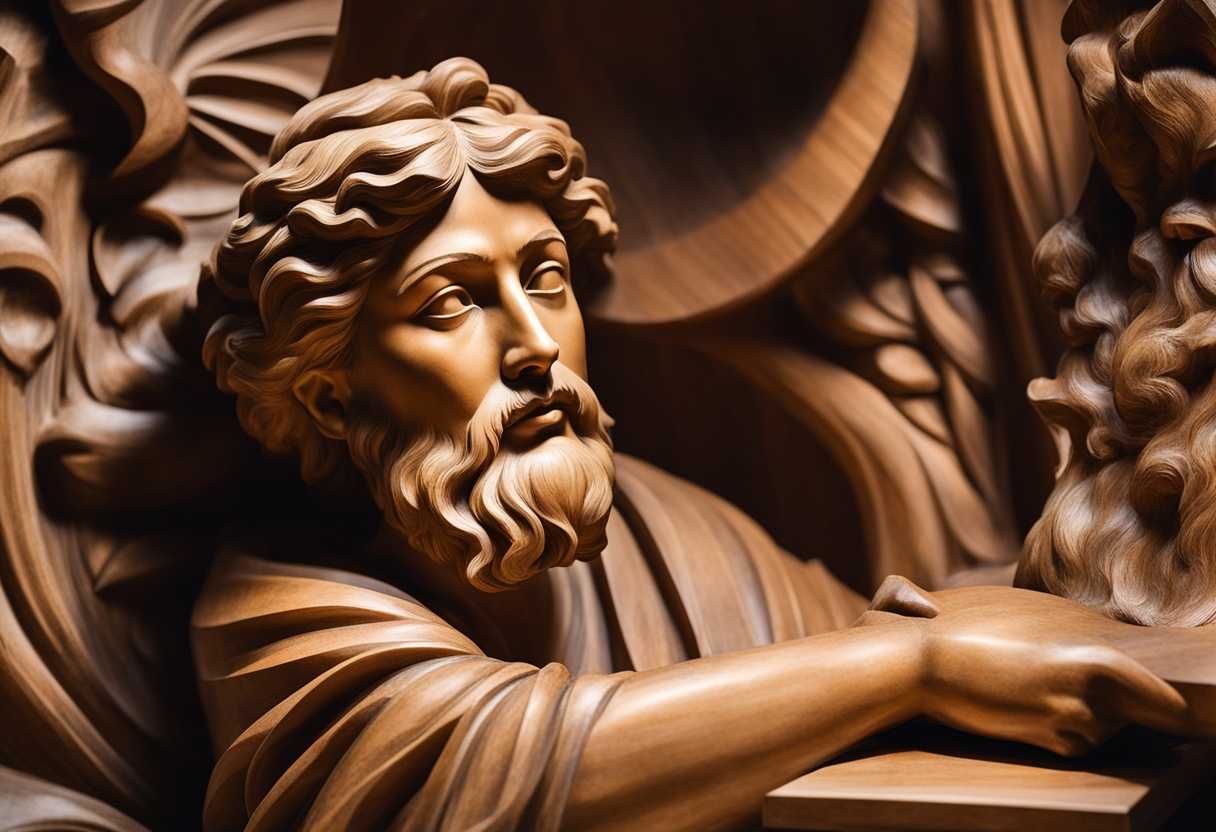
20 He who is too impoverished for an offering chooses wood that will not rot; he seeks out a skillful craftsman to set up an idol that will not move.
Setting the Scene for Isaiah 40:20
In Isaiah chapter 40, the scene is set in the ancient city of Jerusalem during a time of great turmoil and uncertainty for the Israelites. The prophet Isaiah is addressing the people of Judah, who are feeling disheartened and weary due to their exile in Babylon. The city is bustling with activity as the Israelites gather to hear Isaiah’s words of comfort and hope.
Among the crowd are men, women, and children, all eagerly listening to Isaiah as he speaks of God’s promise to deliver them from captivity and restore their land. The atmosphere is tense yet hopeful, as the people cling to Isaiah’s message of redemption and restoration.
Surrounding the gathering are the remnants of Jerusalem’s once magnificent walls and temples, now in ruins due to the Babylonian conquest. The city bears the scars of war and destruction, serving as a stark reminder of the consequences of turning away from God. Despite the desolation, there is a sense of unity and faith among the people as they look to Isaiah for guidance and reassurance.
What is Isaiah 40:20 about?
The prophet in Isaiah 40:20 is highlighting the absurdity of idol worship. The verse is meant to challenge the reader to reflect on the foolishness of crafting an idol out of valuable materials, such as precious wood, only to turn around and worship it. The prophet is urging the audience to consider the true worth of these man-made idols and question the wisdom of placing their faith and devotion in them by using such vivid imagery. The irony of using something as temporary and insignificant as wood to create an object of worship should be considered. What does this say about the misplaced priorities and misguided beliefs of those who engage in idol worship? This verse serves as a powerful reminder to focus on the Almighty, who is eternal and worthy of our reverence, rather than on worldly objects that hold no true power or significance. Reflect on this verse and consider redirecting your worship and devotion to the One who truly deserves it as you think about the things in your own life that may be taking the place of God.
Understanding what Isaiah 40:20 really means
Isaiah 40:20 is nestled within a profound passage where the prophet Isaiah extols the greatness and incomparability of God. This chapter serves as a beacon of comfort and hope to the Israelites enduring exile, reminding them of God’s unwavering power and sovereignty. The phrase “A skilled craftsman” in this verse sheds light on human endeavors to create something of value, often within the realm of idol-making, showcasing the futility of human attempts to replicate the divine. It underscores the stark contrast between the limited capabilities of humanity and the boundless nature of God.
Moreover, the mention of “Chooses the wood that will not rot” in Isaiah 40:20 accentuates the transient and perishable essence of human creations when juxtaposed with the eternal nature of God. This phrase serves as a poignant reminder of the impermanence of worldly pursuits and the enduring stability found solely in God. Similarly, the imagery of “Sets up an idol that will not topple” speaks to the human yearning for security and constancy, yet it starkly contrasts with the true steadfastness that can only be found in God.
Drawing parallels with other biblical passages, Exodus 20:4-5 warns against the fashioning and veneration of idols, reinforcing the message conveyed in Isaiah regarding the futility of idol worship. Psalm 115:4-8 vividly portrays the lifelessness of idols, drawing a sharp distinction between these man-made constructs and the living God, echoing the themes resonant in Isaiah 40:20. Furthermore, Acts 17:29, where Paul elucidates on the nature of God, underscores that He transcends the limitations of human craftsmanship, being far beyond the confines of gold, silver, or stone—symbols crafted by human ingenuity.
In the contemporary landscape, while physical idol worship may not be prevalent, individuals often place their trust in transient entities such as material possessions, societal status, or fleeting pursuits. Isaiah 40:20 beckons individuals to refocus their gaze on the eternal and unchanging essence of God, steering them away from the ephemeral and unstable facets of this world. Consider a scenario where an individual expends all their resources constructing a magnificent abode, only for it to be ravaged by a calamity. This anecdote underscores the fallacy of investing unwavering trust in material possessions. Just as the house crumbles, so do the idols we erect in our lives. True security and stability emanate solely from God.
In conclusion, Isaiah 40:20 serves as a poignant call to introspection, urging individuals to scrutinize where they anchor their trust and to acknowledge the limitations of human endeavors. It beckons us to turn towards God, the eternal and unchanging anchor, for authentic solace and hope amidst life’s tumultuous seas.
What idols do we worship instead of God?
We often find ourselves worshipping idols of success, power, wealth, and material possessions instead of placing our ultimate trust in God in our lives. These idols can distract us from our faith and lead us astray from God’s ultimate plan for us. When we prioritize these worldly possessions and desires above our spiritual relationship with God, we are essentially putting our trust in something that is temporary and fleeting.
Additionally, the pursuit of these idols can become all-consuming, occupying our thoughts and actions, ultimately taking the place of God in our lives. We may seek validation and fulfillment from these sources rather than turning to God for guidance and strength. However, the emptiness and temporary satisfaction that idols provide can never truly fill the void that only God can complete in our hearts. It is essential to recognize these false idols in our lives and redirect our worship and devotion back to the Almighty. The verse ultimately reminds us of the danger of putting our faith in earthly things that cannot offer true salvation or eternal peace. We can eliminate distractions that hinder our relationship with God and experience the joy and fulfillment that come from serving and worshipping Him alone by acknowledging and resisting the temptation to prioritize these idols.
Application
Let’s shift our focus from the hustle of daily life and redirect our energy towards honoring and praising the Almighty. Just like we balance our work and family commitments, let’s also make time to appreciate the divine signs all around us. Let’s immerse ourselves in the wonder of His creation and let it inspire us to live a life filled with worship and gratitude. Will you join me in embracing a life that reflects the glory of our Creator in everything we do?

Reverend Michael Johnson is an experienced Church Minister with a profound expertise in spirituality and guidance. With a serene presence and a compassionate heart, he has faithfully served his congregation for over 20 years, leading them on a spiritual journey towards inner peace and enlightenment. Reverend Johnson’s extensive knowledge of religious philosophies and profound understanding of human nature have made him a trusted confidant and mentor to many, as he seamlessly weaves his profound wisdom into life teachings. Reverend Johnson’s calming demeanor and empathetic nature continue to uplift and heal souls, nurturing a sense of unity and tranquility within his community.