
Jeremiah 12:1-13 is about the prophet Jeremiah questioning God’s justice and expressing his frustration over the prosperity of the wicked while the righteous suffer, reminding the people of Israel of the consequences of their unfaithfulness and warning of the impending judgment and exile.
1 Righteous are you, O Lord, when I complain to you; yet I would plead my case before you. Why does the way of the wicked prosper? Why do all who are treacherous thrive?
2 You have planted them, and they have taken root; they grow and produce fruit. You are always on their lips but far from their hearts.
3 But you, O Lord, know me; you see me, and test my heart toward you. Draw them out like sheep for the slaughter, and set them apart for the day of slaughter.
4 How long will the land mourn
and the grass of every field wither?
5 “If you have raced with men on foot, and they have wearied you, how will you compete with horses? And if in a safe land you are so trusting, what will you do in the thicket of the Jordan?”
6 For even your brothers and the house of your father,
even they have dealt treacherously with you;
they are in full cry after you;
do not believe them,
though they speak friendly words to you.
7 “I have forsaken my house;
I have abandoned my heritage;
I have given the beloved of my soul
into the hands of her enemies.
8 My heritage has become to me like a lion in the forest; she has lifted up her voice against me; therefore I hate her.
9 Is my heritage to me like a hyena’s lair? Are the birds of prey against her all around? Go, assemble all the wild beasts; bring them to devour.
10 Many shepherds have destroyed my vineyard; they have trampled down my portion; they have made my pleasant portion a desolate wilderness.
11 They have made it a desolation;
desolate, it mourns to me.
The whole land is made desolate,
but no man lays it to heart.
12 The destroyers have come upon all the bare heights in the desert, for the sword of the Lord devours from one end of the land to the other; no flesh has peace.
13 They have sown wheat and have reaped thorns; they have tired themselves out but profit nothing. They shall be ashamed of their harvests because of the fierce anger of the Lord.”
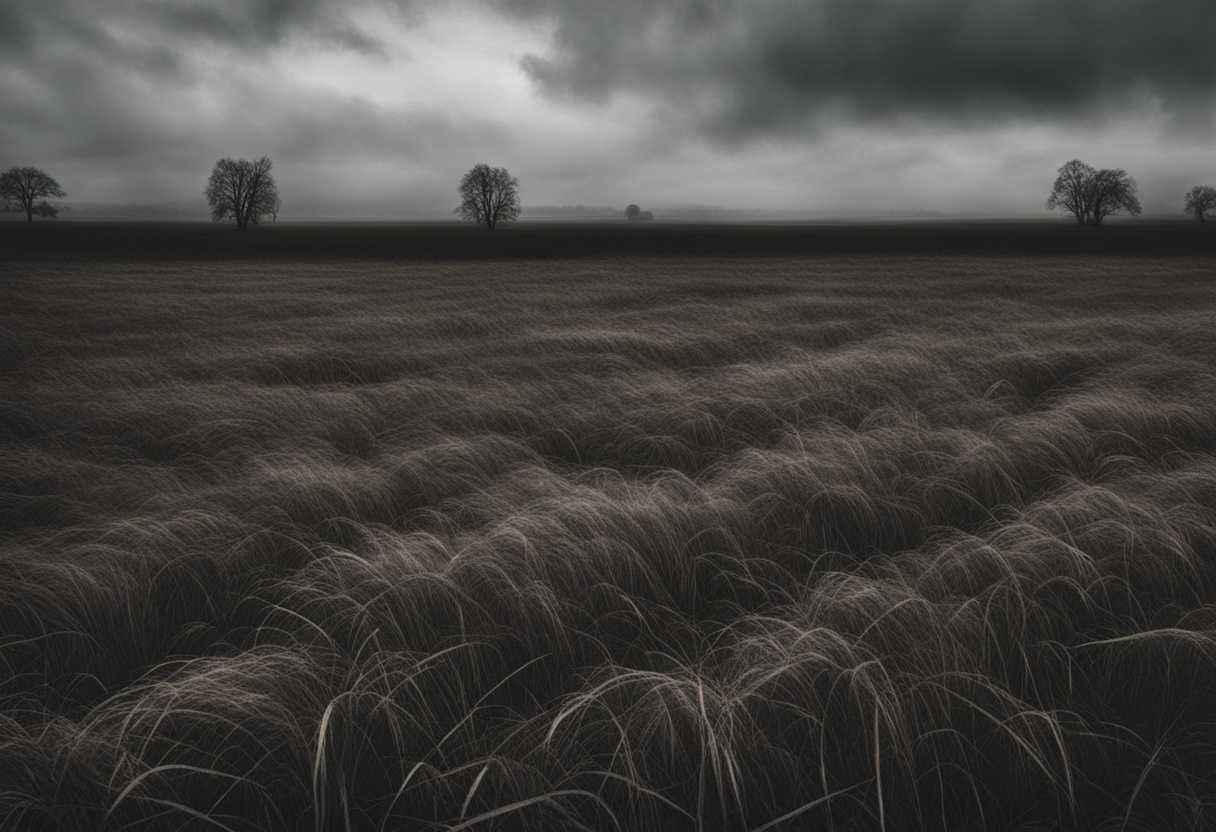
Setting the Scene for Jeremiah 12:1-13
In Jeremiah chapter 12, we find the prophet Jeremiah in a moment of deep contemplation and lamentation before the Lord. The scene is set in a quiet, secluded area outside the city walls of Jerusalem, where Jeremiah often goes to seek solace and guidance from God. The sun is setting, casting a warm glow over the landscape as Jeremiah kneels in prayer, pouring out his heart to the Lord.
As Jeremiah wrestles with the injustices and hardships he sees around him, he is joined by his close friend and scribe, Baruch. Baruch has been a faithful companion to Jeremiah, helping him record the prophecies and messages that God has given him. Together, they sit under a large olive tree, the leaves rustling gently in the evening breeze, as Jeremiah shares his burdens and struggles with Baruch.
In the distance, the city of Jerusalem stands as a stark reminder of the spiritual decay and rebellion that Jeremiah has been called to confront. The walls of the city loom large against the darkening sky, a symbol of the barriers that have been erected between the people and their God. As Jeremiah and Baruch pray and seek God’s wisdom, they are reminded of the importance of remaining steadfast in faith and trusting in God’s plans, even in the face of adversity.
What is Jeremiah 12:1-13 about?
When we read this verse from Jeremiah, we can feel the raw emotions of questioning and doubt that the prophet is expressing towards God. Have you ever felt like life was unfair, seeing good people suffer while those who do wrong seem to thrive? Jeremiah’s words remind us that it is okay to question and wrestle with our faith, to seek understanding even when things seem unjust. It shows us that we can bring our doubts and frustrations before God, and that He can handle our honest struggles.
Through Jeremiah’s questioning, we are pushed to confront our own beliefs about justice, suffering, and the nature of God. It challenges us to deepen our understanding of God’s ways and to grapple with the complexities of life. This verse ultimately reminds us that we can grow in our faith and develop a deeper relationship with God by questioning and seeking. So, as you reflect on these words, I encourage you to embrace your doubts and questions, knowing that in seeking answers, you are drawing closer to a deeper understanding of God and His ways.
Understanding what Jeremiah 12:1-13 really means
Jeremiah 12:1-13 presents a poignant dialogue between the prophet Jeremiah and God, delving into the age-old question of why the wicked prosper while the righteous suffer. Jeremiah’s candid questioning reflects a common human experience of grappling with the seeming disparity between God’s justice and the harsh realities of life. His plea, “Righteous are you, O Lord, when I complain to you; yet I would plead my case before you,” encapsulates the tension between acknowledging God’s righteousness and seeking understanding in the face of suffering. This raw honesty in prayer resonates with believers who, like Jeremiah, may find themselves wrestling with similar doubts and frustrations.
The prophet’s inquiry, “Why does the way of the wicked prosper? Why do all who are treacherous thrive?” echoes the sentiments of many who witness injustice and inequity in the world. It reflects a deep-seated human longing for justice and fairness, even in the midst of apparent chaos and wrongdoing. Jeremiah’s observation that the wicked seem to flourish, with God allowing their success, serves as a stark reminder of the complexities of divine providence and human agency. This observation can be a source of both discomfort and contemplation for those who strive to live faithfully in a world where the lines between right and wrong often seem blurred.
Drawing parallels with related biblical passages such as Psalm 73, Habakkuk 1, and Job 21, Jeremiah’s lament finds resonance in the struggles of other biblical figures who grappled with similar existential questions. These interconnected themes of suffering, injustice, and divine sovereignty weave a tapestry of human experience that transcends time and culture. The relevance of Jeremiah’s words extends beyond ancient Judah, speaking directly to the hearts of individuals navigating the complexities of faith and doubt in the modern world.
In a contemporary context, Jeremiah 12:1-13 offers solace and guidance to those who find themselves questioning the fairness of life’s circumstances. Just as Jeremiah sought clarity from God amidst his confusion, believers today are encouraged to engage in honest dialogue with the Divine, laying bare their struggles and seeking solace in the assurance of God’s ultimate justice. The passage serves as a reminder that faith is not devoid of doubt or questioning but rather a journey of seeking understanding and trust in the midst of uncertainty.
Reflecting on Jeremiah’s lament can provide a framework for processing personal experiences of injustice and hardship. By acknowledging the validity of our doubts and frustrations, we open ourselves to a deeper relationship with God, one built on authenticity and vulnerability. Through Jeremiah’s example, we learn that it is not only acceptable but essential to bring our deepest concerns before the Lord, trusting in His wisdom and righteousness to guide us through life’s most challenging moments.
Why do the wicked prosper while the righteous suffer?
The question of why the wicked prosper while the righteous suffer is a common theme throughout the Bible. The prophet in the book of Jeremiah expresses his distress over this very issue. He cries out to God, questioning why the way of the wicked seems to be successful while the righteous face trials and hardship. This sentiment reflects the age-old struggle of understanding the balance of justice in the world.
The passage in Jeremiah serves as a reflection of the tension between the apparent success of the wicked and the suffering of the righteous. It speaks to the human struggle with the ways of the world and the perceived injustices that often occur. Through Jeremiah’s cry to God, we see a raw and honest expression of human emotions in the face of adversity and the seeming lack of justice in the world. The passage in Jeremiah ultimately prompts us to reflect on the complexities of life and the mysterious ways of God. While the wicked may seem to prosper in the short term, the righteous are called to trust in God’s ultimate plan and to continue living faithfully despite the challenges they may face. It serves as a reminder that our understanding is limited, and we are called to trust in God’s wisdom and justice even in the midst of apparent injustices.
Application
Let’s dig into Jeremiah 12:1-13 and examine our connection with God. Are we genuinely striving to comprehend His path for us? It’s time for introspection, recognizing the need for humility and openness to God’s guidance. Will you take a moment to evaluate and realign your spiritual compass?

Reverend Michael Johnson is an experienced Church Minister with a profound expertise in spirituality and guidance. With a serene presence and a compassionate heart, he has faithfully served his congregation for over 20 years, leading them on a spiritual journey towards inner peace and enlightenment. Reverend Johnson’s extensive knowledge of religious philosophies and profound understanding of human nature have made him a trusted confidant and mentor to many, as he seamlessly weaves his profound wisdom into life teachings. Reverend Johnson’s calming demeanor and empathetic nature continue to uplift and heal souls, nurturing a sense of unity and tranquility within his community.