
Numbers 21:1-3 is about the Israelites facing challenges and expressing their frustrations as they journey in the wilderness, highlighting the consequences of their complaints and lack of trust in God.
1 When the Canaanite, the king of Arad, who lived in the Negeb, heard that Israel was coming by the way of Atharim, he fought against Israel, and took some of them captive.
2 And Israel vowed a vow to the Lord and said, “If you will indeed give this people into my hand, then I will devote their cities to destruction.”
3 And the Lord heeded the voice of Israel and gave over the Canaanites, and they devoted them and their cities to destruction.
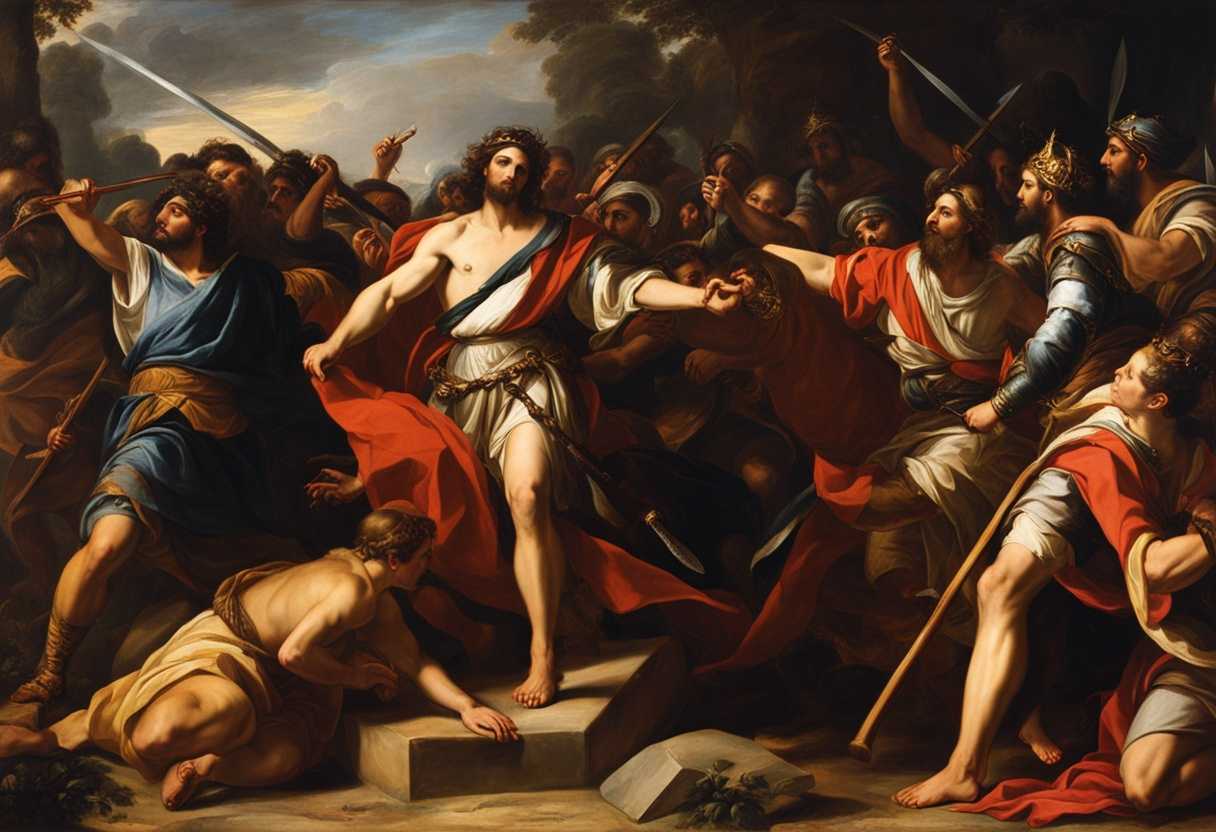
Setting the Scene for Numbers 21:1-3
The scene in Numbers 21:1-3 takes place during the Israelites’ journey through the wilderness after they had been delivered from slavery in Egypt. The Israelites, led by Moses, had been wandering for years, facing various challenges and tests of faith along the way. In this particular passage, they had just defeated the Canaanite king of Arad in battle.
The Israelites had been feeling discouraged and impatient during their journey, and their victory over the Canaanites brought a sense of renewed hope and confidence among the people. The camp was bustling with activity as the Israelites celebrated their triumph, with families coming together to share stories of the battle and give thanks to God for their victory. The atmosphere was one of joy and gratitude as the people praised God for His faithfulness and protection.
Moses, the revered leader of the Israelites, stood at the center of the camp, offering prayers of thanksgiving and guidance to the people. The surroundings were typical of a desert landscape, with tents pitched in the sandy terrain and the sound of livestock and children playing in the background. The victory over the Canaanites served as a reminder to the Israelites of God’s power and presence with them as they continued their journey towards the Promised Land.
What is Numbers 21:1-3 about?
We witness the power of faith and obedience to God in this verse. The Israelites were faced with a formidable enemy, the Canaanites, but they made a crucial decision to pledge their allegiance to God by vowing to destroy idols and cities. This act was a demonstration of their unwavering faith and commitment to following God’s commands. God intervened and helped the Israelites emerge victorious in their battle against the Canaanites as a result of their devotion.
Reflecting on this verse, we can see the importance of trust and obedience in our relationship with God. Just like the Israelites, when we wholeheartedly commit ourselves to following God’s will and align our actions with His teachings, we can overcome even the most daunting challenges that come our way. This verse serves as a powerful reminder that with faith, dedication, and obedience, we can experience the divine assistance and guidance of God in our lives. We should take inspiration from the Israelites’ example and strive to trust in God’s plan for us, knowing that He is always by our side, ready to help us overcome any obstacles that stand in our way.
Understanding what Numbers 21:1-3 really means
The passage in Numbers 21:1-3 takes us back to a pivotal moment in the journey of the Israelites through the wilderness after their exodus from Egypt. As they traversed this challenging terrain, they encountered the Canaanite king of Arad, who launched an attack against them, capturing some of their people. In response to this threat, the Israelites turned to the Lord, making a solemn vow to completely destroy the Canaanite cities if God would deliver them into their hands. This act of faith and commitment set the stage for a divine intervention.
God, in His mercy and power, heard the plea of His people and granted them victory over their enemies. The Canaanite cities were indeed destroyed, and the place of this triumph was named Hormah, meaning “destruction.” This victory was not merely a military conquest but a testament to the faithfulness of God in responding to the cries of His people and fulfilling His promises to them.
This narrative resonates with other passages in the Bible, such as Exodus 17:8-16, where Moses’ raised hands symbolize reliance on God for victory, and Deuteronomy 20:1-4, which underscores God’s presence in the battles of His people. The fall of Jericho in Joshua 6:1-27 further illustrates how following God’s instructions leads to triumph over seemingly insurmountable obstacles.
The relevance of this account extends to us today, urging us to trust in God wholeheartedly in the face of our own battles, whether they be physical, emotional, or spiritual. Just as the Israelites acted on their faith by making a vow and taking decisive steps, we are called to step out in faith, knowing that God will guide and sustain us through our challenges.
Consider a modern-day scenario where a community faces a crisis and unites in prayer and commitment to rebuild. Miraculously, they receive the help they need, and their community is restored. This echoes the Israelites’ experience, demonstrating the power of collective faith and God’s intervention in times of need.
Key phrases in this passage, such as “The Lord listened to Israel’s plea,” emphasize the significance of prayer and God’s responsiveness to His people. The command to “completely destroy their cities” symbolizes the thorough victory granted by God when His people fully rely on His power. Naming the place “Hormah” serves as a lasting memorial of God’s deliverance and a reminder of His mighty acts in our lives.
As we meditate on Numbers 21:1-3, we are reminded of God’s faithfulness, His willingness to intervene on behalf of His people, and the importance of trusting in Him wholeheartedly. May this passage inspire us to approach our challenges with unwavering faith, knowing that God is with us, ready to lead us to victory when we place our trust in Him.
How can we resist complaining in difficult situations?
When facing difficult situations that may tempt us to complain, we can resist by remembering the bigger picture and trusting in God’s plan. Challenges that push us to complain may be encountered, just as the Israelites were tested in the wilderness. However, by focusing on the faithfulness and sovereignty of God, we can shift our perspective from our temporary struggles to the eternal promises He has for us.
Additionally, we can resist complaining by choosing gratitude and thankfulness. Instead of dwelling on what we lack or what is going wrong, we can cultivate a spirit of gratitude for the blessings and provisions we already have. Gratitude helps shift our focus from complaining about our circumstances to appreciating the goodness of God in our lives.
Furthermore, we can resist complaining by seeking strength and guidance through prayer. When we feel the urge to complain rising within us, we can turn to God in prayer, seeking His comfort, wisdom, and peace. Through prayer, we can find the strength to endure difficult situations with grace and patience, knowing that God is with us every step of the way.
Application
Just as the Israelites sought the Lord’s help on the battlefield, we can turn to Him in our modern-day battles. Let us rely on His strength and guidance in all areas of our lives – be it at work, in our relationships, or within ourselves. The passage serves as a reminder to seek His wisdom and trust in His provision during our toughest moments. Will you accept the divine invitation to lean on God and find strength in His presence?

Reverend Michael Johnson is an experienced Church Minister with a profound expertise in spirituality and guidance. With a serene presence and a compassionate heart, he has faithfully served his congregation for over 20 years, leading them on a spiritual journey towards inner peace and enlightenment. Reverend Johnson’s extensive knowledge of religious philosophies and profound understanding of human nature have made him a trusted confidant and mentor to many, as he seamlessly weaves his profound wisdom into life teachings. Reverend Johnson’s calming demeanor and empathetic nature continue to uplift and heal souls, nurturing a sense of unity and tranquility within his community.