
Revelation 21:12-14 is about the vision of the New Jerusalem where the gates are marked with the names of the twelve tribes of Israel and the foundation stones bear the names of the twelve apostles, symbolizing the inclusion and unity of both the Old and New Testament believers in the eternal city of God.
12 It had a great, high wall, with twelve gates, and at the gates twelve angels, and on the gates the names of the twelve tribes of the sons of Israel were inscribed—
13 On the east three gates, on the north three gates, on the south three gates, and on the west three gates.
14 And the wall of the city had twelve foundations, and on them were the twelve names of the twelve apostles of the Lamb.
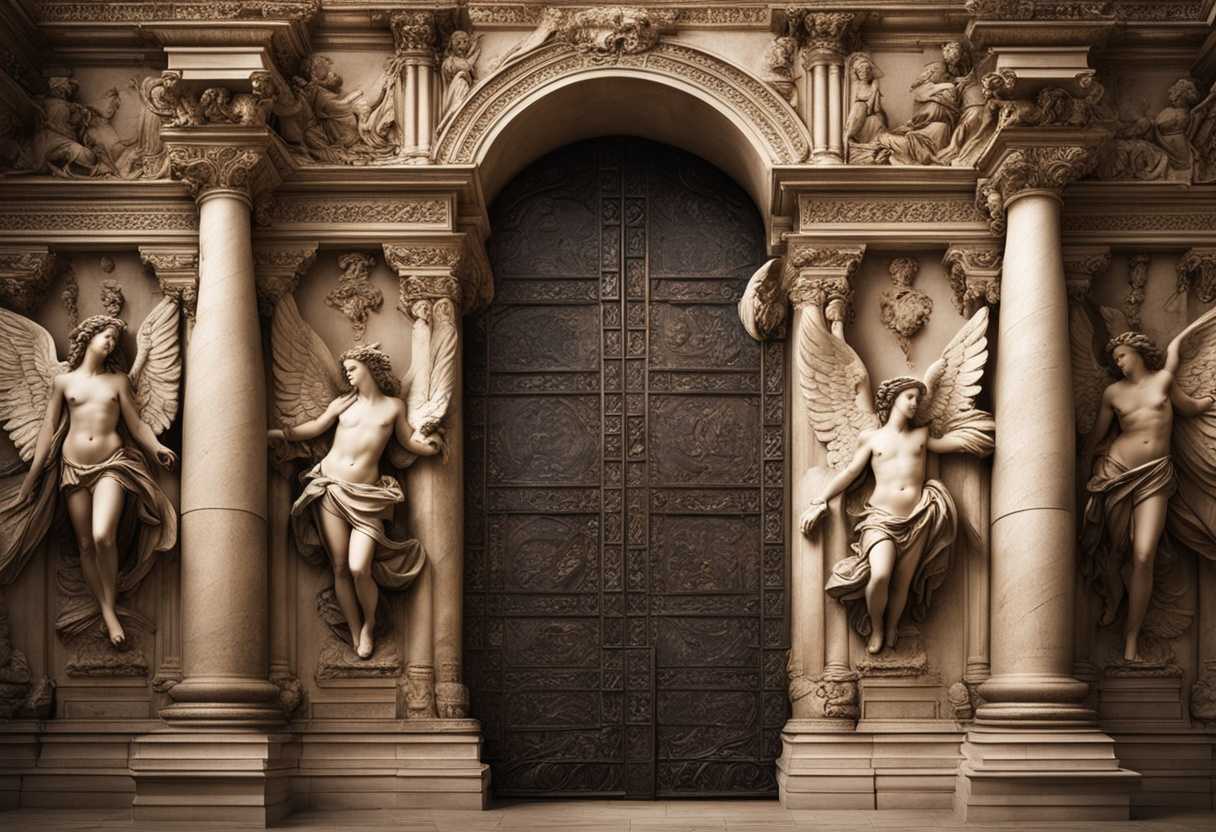
Setting the Scene for Revelation 21:12-14
In Revelation chapter 21, the scene is set in the New Jerusalem, a magnificent city described as coming down out of heaven from God. The city is adorned with precious jewels and has twelve gates, each gate made of a single pearl. The walls of the city are made of jasper, and the city itself is made of pure gold, shining brightly like clear glass. The overall atmosphere is one of awe and wonder, as the beauty and grandeur of the New Jerusalem are beyond anything seen on earth.
In this particular passage, we see the names of the twelve tribes of Israel inscribed on the twelve gates of the city, signifying the eternal significance of God’s chosen people. Additionally, the names of the twelve apostles of the Lamb are written on the twelve foundations of the city walls, symbolizing the foundational role they played in spreading the gospel and building the church.
Surrounding this scene are countless believers from every nation, tribe, and language, gathered together in worship and adoration of God. The New Jerusalem represents the culmination of God’s redemptive plan, where His people will dwell with Him in perfect unity and harmony for all eternity.
What is Revelation 21:12-14 about?
The verse presents a powerful image of unity and inclusivity in the New Jerusalem. The gates of the city, which represent boundaries and entry points, are inscribed with the names of the twelve tribes of Israel and the twelve apostles. This symbolism signifies the coming together of the old and the new, the Israelites and the followers of Christ, forming a harmonious and complete community in the Kingdom of God. Each tribe and apostle’s name being inscribed on the gates signifies their significance. What does it mean for all these diverse groups to be represented and honored in such a way? Reflect on how this image reinforces the idea of a universal and inclusive community in the divine realm. Through this verse, we are reminded of the interconnectedness of all believers, despite their differences, and the importance of embracing diversity within the body of Christ. Let us ponder on the meaning of this verse and also think about our own communities. How can we emulate the spirit of unity and inclusivity shown in the New Jerusalem? How can we ensure that all members feel welcomed and valued, just as the tribes and apostles are honored on the city gates? Let us strive to build bridges and break down barriers, following the example set forth in this powerful imagery of the twelve tribes and twelve apostles united in the Kingdom of God.
Understanding what Revelation 21:12-14 really means
In Revelation 21:12-14, we are transported into John’s vision of the New Jerusalem, the holy city descending from heaven. This passage forms part of the grand narrative of the end times, illustrating the ultimate realization of God’s promises to His people. The imagery painted here is rich with symbolism and significance, offering profound insights into the nature of God’s eternal kingdom.
The description of the city with a “great, high wall with twelve gates” conveys a sense of security and peace. The towering wall symbolizes divine protection, ensuring safety within the city’s confines. Moreover, the twelve gates signify inclusivity and accessibility, welcoming people from all directions into the embrace of God’s kingdom. This imagery echoes Isaiah 60:18, where walls are called “Salvation” and gates “Praise,” reinforcing the themes of divine protection and peace.
The presence of twelve angels at the gates underscores the sacredness of the city and the divine guardianship that watches over it. This imagery resonates with Psalm 91:11, which speaks of angels guarding the faithful in all their ways, highlighting the protective role these celestial beings play in God’s plan.
The inscriptions of the names of the twelve tribes of Israel on the gates symbolize the fulfillment of God’s covenant with His chosen people. This gesture signifies the inclusion of the faithful from the Old Testament era, emphasizing the continuity of God’s redemptive plan across generations. References to Genesis 49:28 and Ezekiel 48:31-34 further illuminate the significance of this symbolic act.
The twelve foundations of the city, bearing the names of the twelve apostles of the Lamb, represent the foundational teachings of the Christian faith. These apostles played a crucial role in establishing and spreading the message of Christ, with Ephesians 2:20 emphasizing their foundational importance in the church. The imagery of the foundations underscores the enduring legacy of the apostles and their teachings in shaping the Christian community.
In contemplating this vision of the New Jerusalem, believers today find reassurance in the ultimate fulfillment of God’s promises and the establishment of His eternal kingdom. The unity depicted, encompassing both Old and New Testament faithful, serves as a powerful symbol of God’s inclusive salvation plan. Just as a community center can unite a neighborhood divided by strife, the New Jerusalem represents the ultimate community where all God’s people are united in peace and security.
As we reflect on the meaningful phrases and detailed explanations within this passage, we uncover layers of profound symbolism. The “great, high wall” speaks of divine protection, while the “twelve gates” symbolize inclusivity. The presence of “twelve angels” signifies divine guardianship, and the inscriptions of the “twelve tribes” reflect God’s faithfulness to His covenant. Finally, the “twelve foundations” highlight the foundational role of the apostles in shaping the Christian faith.
In conclusion, let us find hope and assurance in the promises of God as revealed in this vision of the New Jerusalem. May we draw inspiration from the unity of God’s people across time and space, recognizing our place in the grand tapestry of His redemptive plan. As we journey in faith, may we embody the inclusivity, security, and unity symbolized by the New Jerusalem, eagerly anticipating the fulfillment of God’s eternal kingdom.
How can we align our lives with God’s kingdom?
One way we can align our lives with God’s kingdom is by striving to live in accordance with His will and His principles. This involves seeking to obey His commandments, following the example of Jesus Christ, and living a life of love, compassion, and forgiveness. We can grow closer to God and reflect His kingdom values in our daily lives by doing so.
Another way to align our lives with God’s kingdom is to prioritize spiritual treasures over material possessions. This means placing more importance on building up our relationship with God, investing in acts of kindness and service, and seeking to grow in wisdom and faith. We can better align ourselves with the priorities of God’s kingdom by valuing eternal truths and heavenly rewards over temporary earthly pleasures.
Lastly, we can align our lives with God’s kingdom by spreading the message of His love and salvation to others. We can participate in the expansion of God’s kingdom on earth by sharing the good news of Jesus Christ and living as a witness to His grace and truth. This involves being bold in our faith, reaching out to those in need, and seeking to bring light into the darkness of the world around us. We can align our lives with the ultimate purpose and destiny of His kingdom by actively participating in God’s mission to reconcile all things to Himself.
Application
Let’s envision the New Jerusalem with its majestic walls and gates inscribed with names, symbolizing unity and purpose. Just as the city embodies God’s ultimate plan, our actions should mirror this unity among fellow believers in our modern world. Let’s strive to build bridges and foster harmony in our work and family circles, as we align with the divine purpose of unity. Will you join in this mission to bring the heavenly vision of unity to life in our everyday interactions?

Reverend Michael Johnson is an experienced Church Minister with a profound expertise in spirituality and guidance. With a serene presence and a compassionate heart, he has faithfully served his congregation for over 20 years, leading them on a spiritual journey towards inner peace and enlightenment. Reverend Johnson’s extensive knowledge of religious philosophies and profound understanding of human nature have made him a trusted confidant and mentor to many, as he seamlessly weaves his profound wisdom into life teachings. Reverend Johnson’s calming demeanor and empathetic nature continue to uplift and heal souls, nurturing a sense of unity and tranquility within his community.