
In the Bible, a forerunner is someone who precedes or prepares the way for another, often associated with prophetic figures. A prominent example is John the Baptist, who is considered the forerunner to Jesus Christ, preparing people’s hearts for His coming (Luke 1:76).
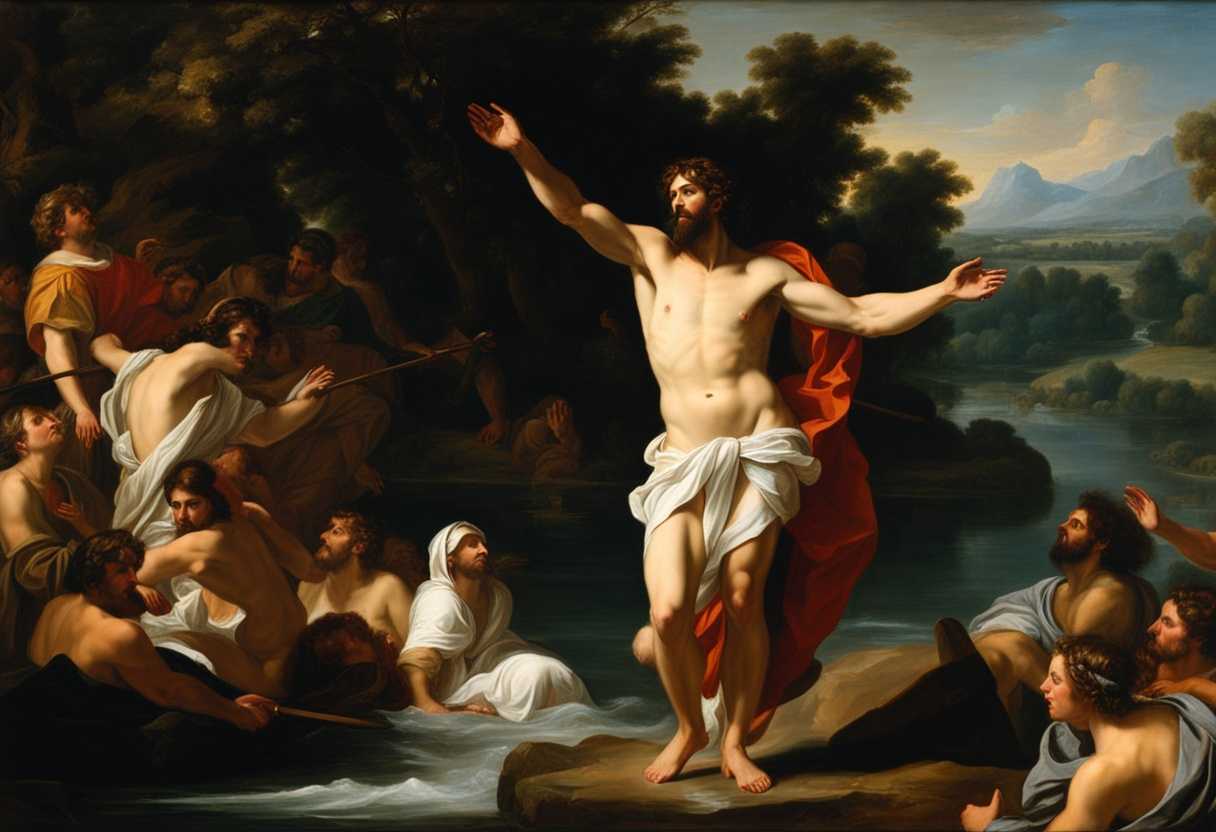
Scripture
3 A voice cries: “In the wilderness prepare the way of the Lord; make straight in the desert a highway for our God.
4 Every valley shall be lifted up,
and every mountain and hill be made low;
the uneven ground shall become level,
and the rough places a plain.
5 And the glory of the Lord shall be revealed, and all flesh shall see it together, for the mouth of the Lord has spoken.”
Biblical Significance of a Forerunner
The concept of a forerunner in the Bible signifies an individual who anticipates the arrival of a significant figure or event, often charged with the mission of preparation. John the Baptist serves as the quintessential forerunner to Jesus Christ, as illustrated in Luke 1:76, where Zechariah proclaims that he will “prepare the way” for the Lord. This role extends beyond mere announcement; it embodies the calling to awaken spiritual awareness and transformation in anticipation of God’s redemptive plan. The significance of John’s ministry is further emphasized in Matthew 3:3, which cites Isaiah 40:3, declaring, “Prepare the way of the Lord; make His paths straight.” This echoes the larger biblical motif regarding the importance of preparation and readiness for divine intervention in human history.
Moreover, the role of the forerunner can be seen as a broader theme throughout Scripture, encapsulating the prophetic tradition. Figures such as Moses, Samuel, and the prophets are also seen as forerunners in their varying capacities to lead, guide, and foreshadow God’s redemptive actions. Ultimately, the idea of a forerunner reflects God’s intentionality in human affairs, preparing the way for salvation and highlighting the call for believers to actively engage in the work of spiritual awakening. The concept culminates in Hebrews 6:20, where Jesus is referred to as a “forerunner for us,” indicating that He not only fulfills the prophecies but also paves the way for believers into a new covenant relationship with God, demonstrating the interconnectedness of preparation and fulfillment in God’s overarching narrative.
Within the biblical narrative, the role of a forerunner often extends beyond individual figures to encompass various archetypes that reflect God’s guidance and promise. The ministry of Elijah, for instance, serves as a potent illustration of this theme. Elijah, regarded as a forerunner to the coming of the Lord, embodies the prophetic voice calling Israel back to repentance and faithfulness to God. In the context of Malachi, the promise of Elijah’s return before the great and dreadful day of the Lord implies not just a literal return, but a preparation of hearts and minds for divine judgment and restoration. This highlights how forerunners can also be viewed as agents of spiritual renewal, urging communities to confront sin and embrace God’s covenant.
In addition, the concept of forerunners is evident in the New Testament as well, notably with the work of the Apostles who laid the groundwork for the Christian faith. Their efforts in spreading the Gospel and establishing the early church echo the preparatory role akin to that of John the Baptist. The notion of preparing others for receiving the message of Christ is emphasized throughout their ministry, as they sought to cultivate faith and readiness for the Lord’s return. The apostolic writings remind believers of their responsibility to be proactive in spreading the Gospel, thereby continuing the legacy of forerunners throughout biblical history. This ongoing theme of preparation serves to reinforce the essential relationship between prophecy, fulfillment, and active faith, illustrating a continuous divine orchestration towards redemptive history.
The Role of Preparation in God’s Plan
In the biblical context, a forerunner signifies an individual or entity that prepares the way for significant events or figures. This preparation often involves calling people to repentance, spiritual awakening, or readiness for divine intervention. The forerunner’s role is crucial in setting the stage for the fulfillment of God’s promises and the arrival of pivotal messengers or events in salvation history.
Symbol of Hope and Anticipation
The concept of a forerunner also embodies hope and anticipation within the biblical narrative. It represents the promise of what is to come, instilling a sense of expectation among believers. The forerunner serves as a reminder that God is actively working in the world, paving the way for redemption and restoration. This theme encourages faith and perseverance as individuals await the fulfillment of God’s plans.
Connection to Christ and His Ministry
In a more specific theological sense, the forerunner is often associated with the ministry of Jesus Christ. The forerunner’s role highlights the continuity of God’s redemptive work throughout history, linking the Old Testament prophecies with their New Testament fulfillment. This connection emphasizes the importance of recognizing Jesus as the culmination of God’s plan, with the forerunner serving as a vital link in that divine narrative.
How to Strengthen Your Faith and Serve Others Better
Strengthening your faith and serving others is a beautiful journey that intertwines personal growth with the call to love and support those around you. Start by immersing yourself in Scripture; let the words of the Bible resonate in your heart and guide your actions. Prayer is your lifeline—make it a daily practice to communicate with God, seeking His wisdom and strength. As you deepen your relationship with Him, look for opportunities to serve in your community, whether through volunteering, offering a listening ear, or simply sharing kindness with strangers. Remember, faith is not just a personal endeavor; it flourishes when we extend our hands and hearts to others. Reflect on Jesus’ example of love and humility, and let that inspire you to be a beacon of hope and compassion in the lives of those you encounter. Each small act of service can be a powerful testament to your faith, drawing you closer to God and to the community around you.
Bible References to the Forerunner Concept:
Malachi 3:1-3: 1 “Behold, I send my messenger, and he will prepare the way before me. And the Lord whom you seek will suddenly come to his temple; and the messenger of the covenant in whom you delight, behold, he is coming, says the Lord of hosts.”
2 But who can endure the day of his coming, and who can stand when he appears? For he is like a refiner’s fire and like fullers’ soap.
3 He will sit as a refiner and purifier of silver, and he will purify the sons of Levi and refine them like gold and silver, and they will bring offerings in righteousness to the Lord.
Matthew 3:1-3: 1 In those days John the Baptist came preaching in the wilderness of Judea,
2 “Repent, for the kingdom of heaven is at hand.”
3 For this is he who was spoken of by the prophet Isaiah when he said, “The voice of one crying in the wilderness: ‘Prepare the way of the Lord; make his paths straight.’”
Mark 1:2-4: 2 As it is written in Isaiah the prophet, “Behold, I send my messenger before your face, who will prepare your way,”
3 “The voice of one crying in the wilderness: ‘Prepare the way of the Lord, make his paths straight,’”
4 John appeared, baptizing in the wilderness and proclaiming a baptism of repentance for the forgiveness of sins.
Luke 1:76-79: 76 And you, child, will be called the prophet of the Most High; for you will go before the Lord to prepare his ways.
77 to give knowledge of salvation to his people
in the forgiveness of their sins,
78 because of the tender mercy of our God, whereby the sunrise shall visit us from on high
79 to give light to those who sit in darkness and in the shadow of death, to guide our feet into the way of peace.”
Luke 3:2-6: 3 In the high priesthood of Annas and Caiaphas, the word of God came to John the son of Zechariah in the wilderness.
3 And he went into all the region around the Jordan, proclaiming a baptism of repentance for the forgiveness of sins.
3 As it is written in the book of the words of Isaiah the prophet, “The voice of one crying in the wilderness: ‘Prepare the way of the Lord, make his paths straight.
5 Every valley shall be filled, and every mountain and hill shall be made low, and the crooked shall become straight, and the rough places shall become level ways,
3 and all flesh shall see the salvation of God.
John 1:19-23: 19 And this is the testimony of John, when the Jews sent priests and Levites from Jerusalem to ask him, “Who are you?”
20 He confessed, and did not deny, but confessed, “I am not the Christ.”
21 And they asked him, “What then? Are you Elijah?” He said, “I am not.” “Are you the Prophet?” And he answered, “No.”
22 So they said to him, “Who are you? We need to give an answer to those who sent us. What do you say about yourself?”
23 He said, “I am the voice of one crying out in the wilderness, ‘Make straight the way of the Lord,’ as the prophet Isaiah said.”
John 3:28-30: 28 You yourselves bear me witness, that I said, ‘I am not the Christ, but I have been sent before him.’
29 The one who has the bride is the bridegroom. The friend of the bridegroom, who stands and hears him, rejoices greatly at the bridegroom’s voice. Therefore this joy of mine is now complete.
30 He must increase, but I must decrease.
Acts 13:24-25: 24 Before his coming, John had proclaimed a baptism of repentance to all the people of Israel.
25 And as John was finishing his course, he said, ‘What do you suppose that I am? I am not he. No, but behold, after me one is coming, the sandals of whose feet I am not worthy to untie.’
Hebrews 6:19-20: 19 We have this as a sure and steadfast anchor of the soul, a hope that enters into the inner place behind the curtain,
20 where Jesus has gone as a forerunner on our behalf, having become a high priest forever after the order of Melchizedek.

Reverend Ogunlade is a seasoned Church Minister with over three decades of experience in guiding and nurturing congregations. With profound wisdom and a serene approach, Reverend Ogunlade has carried out various pastoral duties, including delivering uplifting sermons, conducting religious ceremonies, and offering sage counsel to individuals seeking spiritual guidance. Their commitment to fostering harmony and righteousness within their community is exemplified through their compassionate nature, making them a beloved and trusted figure among the congregation.