
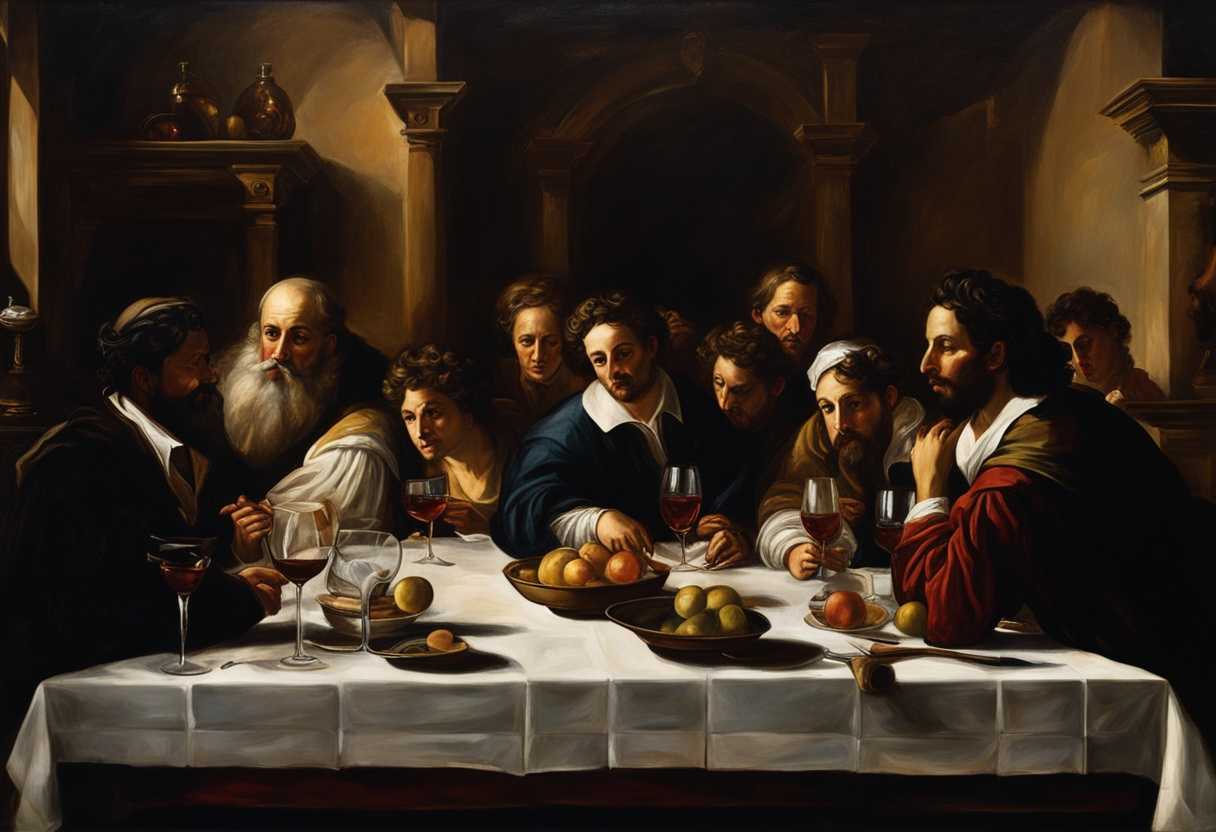
In the Bible, the phrase “given to wine” refers to someone who is overindulgent or excessively fond of wine, indicating a lack of self-control and a tendency towards drunkenness (Proverbs 20:1, 23:21). This state is often associated with moral and spiritual dangers, as it can lead to negative consequences in a person’s life and relationships.
Scripture
1 Wine is a mocker, strong drink a brawler, and whoever is led astray by it is not wise.
2 The terror of a king is like the growling of a lion; whoever provokes him to anger forfeits his life.
3 It is an honor for a man to keep aloof from strife,
but every fool will be quarreling.
Biblical Meaning of “Given to Wine”
The phrase “given to wine” reflects a deeper biblical concern regarding the nature of self-control and the moral implications of indulgence. In Proverbs 20:1, it states, “Wine is a mocker, strong drink is raging: and whosoever is deceived thereby is not wise.” This verse highlights not only the dangers of drunkenness but also the folly it brings to those who are ensnared by it. Excessive drinking is often portrayed in the scriptures as a pathway to ruin, leading individuals away from wise choices and right living. Proverbs 23:21 reinforces this idea, stating, “For the drunkard and the glutton shall come to poverty: and drowsiness shall clothe a man with rags.” Here, the association between indulgence in wine and broader lifestyle choices suggests that a lack of moderation can result in spiritual and financial destitution.
Moreover, the concept of being “given to wine” symbolizes a broader spiritual malaise where one allows earthly pleasures to dominate their life, detracting from their relationship with God. Ephesians 5:18 instructs believers, “And be not drunk with wine, wherein is excess; but be filled with the Spirit.” This juxtaposition is significant as it suggests that while wine may offer temporary pleasure or solace, true fulfillment and wisdom come from spiritual enrichment rather than physical indulgence. The biblical narrative thus warns against the pitfalls of excess, encouraging believers to seek a balanced, self-controlled life centered on faith and moral integrity, rather than succumbing to the temporary pleasures that can lead to spiritual decline.
The Bible frequently addresses the theme of moderation and the potential pitfalls associated with overindulgence in wine and alcohol, framing it within the larger context of wisdom and spiritual vigilance. For instance, in the context of leadership, both the Old and New Testaments provide guidance to those in positions of authority, emphasizing the necessity of sobriety. In 1 Timothy 3:3, church leaders are explicitly instructed not to be “given to wine,” as this can impair judgment and lead to behaviors that conflict with the responsibilities of pastoral care. This call to sobriety underscores the idea that leaders must be exemplary in self-control, allowing them to guide their communities with discernment and integrity.
Additionally, the theme of wine and its potential to seduce the unwatchful extends to personal accountability. In Isaiah 5:11, the prophet pronounces woe upon those who rise early to chase after intoxicating drinks, indicating that a lifestyle “given to wine” is often accompanied by laziness and a lack of mindfulness about one’s actions. This warns against the seductive power of wine that distracts individuals from their duties and spiritual responsibilities, leading them down a path of complacency and poor decision-making. Overall, the biblical perspective encourages a vigilant and self-disciplined approach to alcohol consumption, promoting a life illuminated by wisdom and guided by a commitment to one’s faith rather than being ensnared by the fleeting pleasures of indulgence.
The Dangers of Excessive Indulgence
The phrase “given to wine” often signifies a warning against the dangers of excessive indulgence and the loss of self-control. In biblical contexts, being overly consumed by wine can lead to a lifestyle characterized by poor decision-making, moral decay, and a lack of spiritual clarity. This broader meaning serves as a cautionary tale about the potential consequences of allowing any substance, including wine, to dominate one’s life and choices.
The Call for Sobriety and Discernment
Another significant interpretation of being “given to wine” relates to the call for sobriety and discernment in one’s life. The Bible frequently emphasizes the importance of maintaining a clear mind and sound judgment, particularly in spiritual matters. This broader meaning encourages individuals to cultivate a lifestyle that prioritizes spiritual awareness and moral integrity, steering clear of behaviors that could cloud their judgment or lead them away from their faith.
The Contrast Between Worldly Pleasures and Spiritual Fulfillment
Being “given to wine” can also represent a broader contrast between worldly pleasures and spiritual fulfillment. In biblical teachings, the pursuit of earthly delights, such as excessive drinking, is often juxtaposed with the pursuit of a deeper, more meaningful relationship with God. This interpretation invites believers to reflect on their priorities and consider how their choices align with their spiritual goals, urging them to seek fulfillment in faith rather than fleeting pleasures.
How to Cultivate Moderation and Strengthen Your Faith
Cultivating moderation in your life is a beautiful way to strengthen your faith and deepen your relationship with God. It begins with recognizing that everything we have is a gift from Him, and thus, we should approach our desires and habits with a spirit of balance. Start by reflecting on areas where you might be overindulging—whether it’s in food, entertainment, or even work—and consider how these excesses might be distracting you from your spiritual growth. Embrace the practice of gratitude, taking time each day to thank God for His blessings, which can help shift your focus from what you want to what you already have. Additionally, engage in regular prayer and scripture reading, allowing God’s word to guide you toward a more moderate lifestyle. Remember, moderation isn’t about deprivation; it’s about finding joy in simplicity and creating space for God to work in your life. As you practice moderation, you’ll find that your faith becomes stronger, more resilient, and more aligned with the teachings of Christ.
Bible References to “Given to Wine”:
Isaiah 5:11-12: 11 Woe to those who rise early in the morning, that they may run after strong drink, who tarry late into the evening as wine inflames them!
12 They have lyre and harp, tambourine and flute and wine at their feasts, but they do not regard the deeds of the Lord, or see the work of his hands.
Romans 14:20-21: 20 Do not, for the sake of food, destroy the work of God. Everything is indeed clean, but it is wrong for anyone to make another stumble by what he eats.
21 It is good not to eat meat or drink wine or do anything that causes your brother to stumble.
1 Timothy 3:2-3: 2 Therefore an overseer must be above reproach, the husband of one wife, sober-minded, self-controlled, respectable, hospitable, able to teach,
3 not a drunkard, not violent but gentle, not quarrelsome, not a lover of money.
1 Timothy 3:8-9: 8 Deacons likewise must be dignified, not double-tongued, not addicted to much wine, not greedy for dishonest gain.
9 They must hold the mystery of the faith with a clear conscience.
Titus 1:6-7: 6 if anyone is above reproach, the husband of one wife, and his children are believers and not open to the charge of debauchery or insubordination.
7 For an overseer, as God’s steward, must be above reproach. He must not be arrogant or quick-tempered or a drunkard or violent or greedy for gain,
Titus 2:2-3: 2 Older men are to be sober-minded, dignified, self-controlled, sound in faith, in love, and in steadfastness.
3 Older women likewise are to be reverent in behavior, not slanderers or slaves to much wine. They are to teach what is good,
Ephesians 5:18-19: 18 And do not get drunk with wine, for that is debauchery, but be filled with the Spirit,
19 addressing one another in psalms and hymns and spiritual songs, singing and making melody to the Lord with your heart,
1 Peter 4:3-4: 3 For the time that is past suffices for doing what the Gentiles want to do, living in sensuality, passions, drunkenness, orgies, drinking parties, and lawless idolatry.
4 With respect to this they are surprised when you do not join them in the same flood of debauchery, and they malign you;

Reverend Michael Johnson is an experienced Church Minister with a profound expertise in spirituality and guidance. With a serene presence and a compassionate heart, he has faithfully served his congregation for over 20 years, leading them on a spiritual journey towards inner peace and enlightenment. Reverend Johnson’s extensive knowledge of religious philosophies and profound understanding of human nature have made him a trusted confidant and mentor to many, as he seamlessly weaves his profound wisdom into life teachings. Reverend Johnson’s calming demeanor and empathetic nature continue to uplift and heal souls, nurturing a sense of unity and tranquility within his community.