
Makaiah is a name found in the Bible that means “who is like Yahweh?” It is associated with several individuals, one of whom served as a prophet during the reign of King Ahab of Israel.
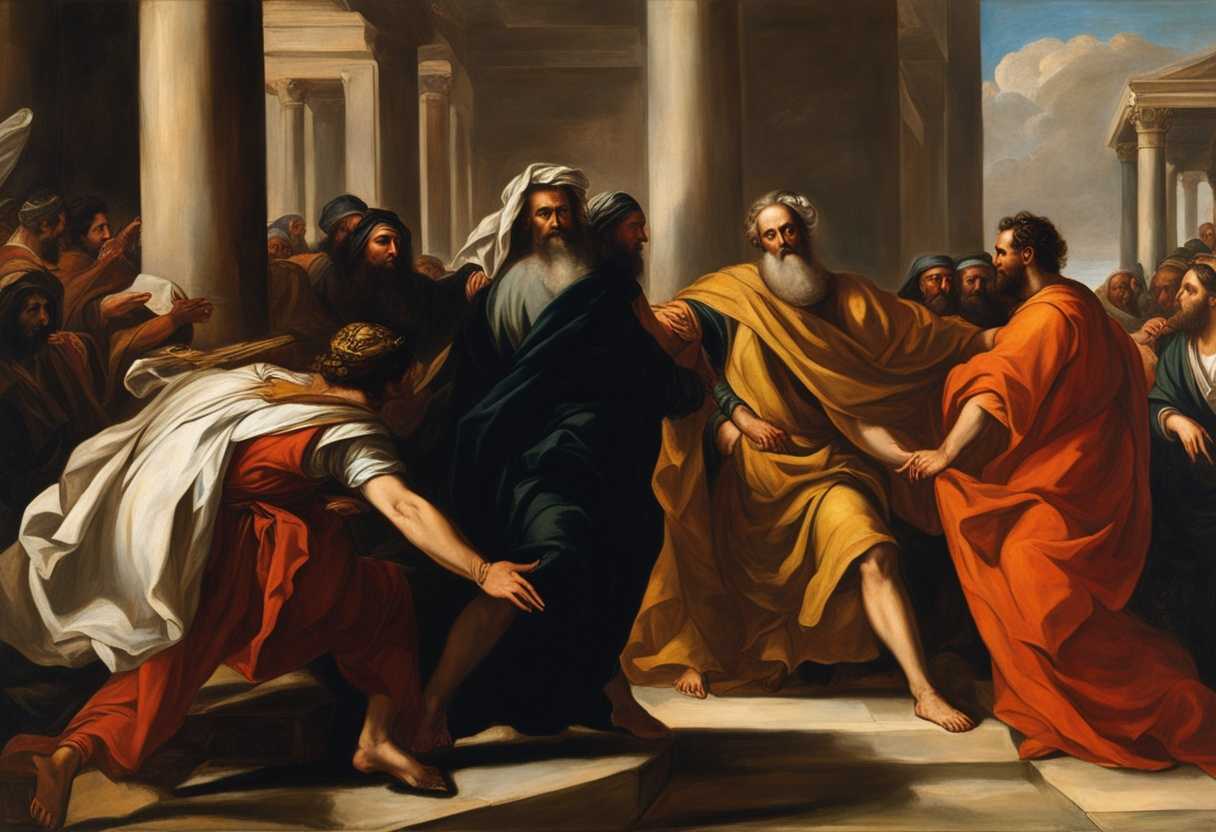
Scripture
13 And the messenger who went to summon Micaiah said to him, “Behold, the words of the prophets with one accord are favorable to the king. Let your word be like the word of one of them, and speak favorably.”
14 But Micaiah said, “As the Lord lives, what the Lord says to me, that I will speak.”
15 And when he had come to the king, the king said to him, “Micaiah, shall we go to Ramoth-gilead to battle, or shall we refrain?” And he answered him, “Go up and triumph; the Lord will give it into the hand of the king.”
16 And the king said to him, “How many times shall I make you swear that you speak to me nothing but the truth in the name of the Lord?”
17 And he said, “I saw all Israel scattered on the mountains, as sheep that have no shepherd. And the Lord said, ‘These have no master; let each return to his home in peace.’”
18 And the king of Israel said to Jehoshaphat, “Did I not tell you that he would not prophesy good concerning me, but evil?”
19 And Micaiah said, “Therefore hear the word of the Lord: I saw the Lord sitting on his throne, and all the host of heaven standing beside him on his right hand and on his left.
20 and the Lord said, ‘Who will entice Ahab, that he may go up and fall at Ramoth-gilead?’ And one said one thing, and another said another.
21 Then a spirit came forward and stood before the Lord, saying, ‘I will entice him.’
22 And the Lord said to him, ‘By what means?’ And he said, ‘I will go out, and will be a lying spirit in the mouth of all his prophets.’ And he said, ‘You are to entice him, and you shall succeed; go out and do so.’
23 Now therefore behold, the Lord has put a lying spirit in the mouth of all these your prophets; the Lord has declared disaster for you.”
24 Then Zedekiah the son of Chenaanah came near and struck Micaiah on the cheek and said, “How did the Spirit of the Lord go from me to speak to you?”
25 And Micaiah said, “Behold, you shall see on that day when you go into an inner chamber to hide yourself.”
26 And the king of Israel said, “Seize Micaiah, and take him back to Amon the governor of the city and to Joash the king’s son,
27 and say, ‘Thus says the king, “Put this fellow in prison and feed him meager rations of bread and water, until I come in peace.”
28 And Micaiah said, “If you return in peace, the Lord has not spoken by me.” And he said, “Hear, all you peoples!”
Meaning of Makaiah in the Bible
The name Makaiah, which translates to “who is like Yahweh,” holds profound significance both biblically and theologically. It serves as a reminder of God’s uniqueness, sovereignty, and the reverence he commands. In the biblical context, this idea is echoed throughout scripture, particularly in passages like Isaiah 40:25, where God poses the rhetorical question, “To whom will you compare me? Or who is my equal?” This underscores Yahweh’s unparalleled nature and invites believers to reflect on His greatness. In the story of the prophet Micaiah (often spelled as Makaiah), found in 1 Kings 22, we see a poignant example of someone who embodies this declaration. Micaiah serves as a prophetic voice in a time of moral decay, courageously opposing the false prophets of King Ahab by affirming the truth of God’s word. His encounter illustrates the importance of fidelity to God’s voice, emphasizing the call for the faithful to discern truth amid competing narratives.
Micaiah’s interactions with Ahab also emphasize themes of accountability and the perils of rejecting divine counsel. In 1 Kings 22:14, Micaiah states, “As surely as the Lord lives, I can tell him only what the Lord tells me,” illustrating the necessity for prophets to reflect God’s will honestly, regardless of potential backlash. This reinforces the broader biblical message that true power lies not in human authority but in aligning with the divine. By asking “who is like Yahweh,” the name Makaiah ultimately serves as an invitation for self-examination of one’s relationship with God, urging believers to recognize His supremacy and the importance of truth in their lives. In a world often filled with deceit, the example of Micaiah highlights the calling to emulate the character of God, embracing honesty and integrity as central tenets of faithfulness.
The name Makaiah evokes a deep sense of identity and purpose rooted in divine allegiance, as it not only encapsulates a question of God’s greatness but also highlights the role of individuals who choose to stand firm in their faith. This theme is particularly illustrated through the lives of various biblical figures who resonate with the essence of perfect fidelity to God. For instance, the prophet Jeremiah, often known for his lamenting spirit, also demonstrated unswerving commitment to proclaiming God’s truths, despite facing persecution and isolation. Like Micaiah, Jeremiah’s life serves as a testament to the assurance that there is none comparable to Yahweh—and the necessity for faithful voices amidst falsehoods. His experiences encourage believers to rely upon God’s character while navigating challenges, emphasising the serious implications of bearing the prophetic mantle in a world that often defies divine guidance.
Moreover, the concept of being uniquely representative of God’s voice extends to the New Testament as well, where Jesus embodies the ultimate fulfillment of the question “Who is like Yahweh?” His earthly ministry consistently pointed towards the unparalleled nature of God, showcasing His lovingkindness and authority. In encounters such as the calming of the storm, Jesus demonstrates mastery over creation, paralleling God’s sovereignty. The teachings of Jesus urge believers to embody traits associated with divine likeness, such as love, mercy, and righteousness, encouraging them to reflect on their own lives in light of God’s unmatchable nature. Thus, the theme of Makaiah transcends individual narratives, establishing a broader understanding of how followers of Christ are called to emulate God’s character, standing resolutely in faith against the tides of culture and misunderstanding.
The Significance of Names in Biblical Context
In the Bible, names often carry profound meanings and reflect the character or destiny of the individual. The name Makaiah, which can be interpreted as “who is like Yahweh,” emphasizes the uniqueness and supremacy of God. This highlights the importance of recognizing God’s sovereignty and the call for believers to reflect His attributes in their lives. The name serves as a reminder of the divine nature and the relationship between God and His people.
The Role of Prophets in Delivering God’s Message
Makaiah is associated with the prophetic tradition in the Bible, where prophets were chosen to convey God’s messages to His people. This underscores the broader theme of divine communication and the responsibility of prophets to speak truthfully, even in the face of opposition. The character of Makaiah exemplifies the courage and integrity required to stand firm in faith and deliver God’s word, illustrating the vital role of prophets in guiding and admonishing the community.
The Theme of Divine Justice and Accountability
The narrative surrounding Makaiah also touches on themes of justice and accountability. Prophets like Makaiah often confronted kings and leaders, calling them to account for their actions and decisions. This reflects the broader biblical principle that God holds individuals and nations accountable for their choices. The story of Makaiah serves as a reminder of the importance of righteousness and the consequences of straying from God’s path, emphasizing the need for integrity in leadership and the pursuit of justice in society.
How to Seek Divine Presence and Guidance Daily
Seeking divine presence and guidance daily is a beautiful journey that can transform your life and deepen your relationship with God. Start each day with intentional prayer, inviting the Holy Spirit to guide your thoughts and actions; this sets a tone of openness and receptivity. Consider reading a passage from the Bible, allowing its wisdom to speak to your heart and provide direction for your day. Journaling your thoughts and prayers can also help you reflect on God’s presence in your life, making it easier to recognize His guidance in the small moments. Throughout your day, pause to breathe and acknowledge God’s presence, whether you’re in a meeting, running errands, or spending time with loved ones. Remember, it’s not just about seeking answers but cultivating a relationship; listen for His voice in the quiet moments and trust that He is with you, guiding you every step of the way. Embrace this daily practice, and you’ll find that your faith grows stronger and your heart more attuned to His divine will.
Bible References to Makaiah’s Meaning:
2 Chronicles 18:12-27: 12 And the messenger who went to summon Micaiah said to him, “Behold, the words of the prophets with one accord are favorable to the king. Let your word be like the word of one of them, and speak favorably.”
13 And Micaiah said, “As the Lord lives, what my God says, that I will speak.”
14 And when he had come to the king, the king said to him, “Micaiah, shall we go to Ramoth-gilead to battle, or shall I refrain?” And he answered, “Go up and triumph; they will be given into your hand.”
15 And the king said to him, “How many times shall I make you swear that you speak to me nothing but the truth in the name of the Lord?”
16 And he said, “I saw all Israel scattered on the mountains, as sheep that have no shepherd. And the Lord said, ‘These have no master; let each return to his home in peace.’”
17 And the king of Israel said to Jehoshaphat, “Did I not tell you that he would not prophesy good concerning me, but evil?”
18 And Micaiah said, “Therefore hear the word of the Lord: I saw the Lord sitting on his throne, and all the host of heaven standing on his right hand and on his left.
19 And the Lord said, ‘Who will entice Ahab the king of Israel, that he may go up and fall at Ramoth-gilead?’ And one said one thing, and another said another.
20 Then a spirit came forward and stood before the Lord, saying, ‘I will entice him.’ And the Lord said to him, ‘By what means?’
21 Then a spirit came forward and stood before the Lord, saying, ‘I will entice him.’ And the Lord said to him, ‘By what means?’
22 Now therefore behold, the Lord has put a lying spirit in the mouth of these your prophets. The Lord has declared disaster concerning you.”
23 Then Zedekiah the son of Chenaanah came near and struck Micaiah on the cheek and said, “Which way did the Spirit of the Lord go from me to speak to you?”
24 And Zedekiah the son of Chenaanah went near and struck Micaiah on the cheek and said, “How did the Spirit of the Lord go from me to speak to you?”
25 Then the king of Israel said, “Take Micaiah and return him to Amon the governor of the city and to Joash the king’s son,
26 and say, ‘Thus says the king, Put this fellow in prison and feed him with meager rations of bread and water until I return in peace.’”
27 And Micaiah said, “If you return in peace, the Lord has not spoken by me.” And he said, “Hear, all you peoples!”
Jeremiah 36:10-13: 10 Then, in the hearing of all the people, Baruch read the words of Jeremiah from the scroll, in the house of the Lord, in the chamber of Gemariah the son of Shaphan the secretary, which was in the upper court, at the entry of the New Gate of the Lord’s house.
11 When Micaiah the son of Gemariah, son of Shaphan, heard all the words of the Lord from the scroll,
12 he went down to the king’s house, into the secretary’s chamber, and all the officials were sitting there: Elishama the secretary, Delaiah the son of Shemaiah, Elnathan the son of Achbor, Gemariah the son of Shaphan, Zedekiah the son of Hananiah, and all the officials.
13 And Micaiah told them all the words that he had heard, when Baruch read the scroll in the hearing of the people.
Nehemiah 3:31-32: 31 After him Malchijah, one of the goldsmiths, repaired as far as the house of the temple servants and of the merchants, opposite the Muster Gate, and to the upper chamber of the corner.
32 And between the upper chamber of the corner and the Sheep Gate the goldsmiths and the merchants repaired.
1 Chronicles 9:15-16: 15 and Shallum the son of Kore, son of Ebiasaph, son of Korah, and his kinsmen of his fathers’ house, the Korahites, were in charge of the work of the service, keepers of the thresholds of the tent, as their fathers had been in charge of the camp of the Lord, keepers of the entrance.
16 And Obadiah the son of Shemaiah, son of Galal, son of Jeduthun, and Berechiah the son of Asa, son of Elkanah, who lived in the villages of the Netophathites.

Reverend Ogunlade is a seasoned Church Minister with over three decades of experience in guiding and nurturing congregations. With profound wisdom and a serene approach, Reverend Ogunlade has carried out various pastoral duties, including delivering uplifting sermons, conducting religious ceremonies, and offering sage counsel to individuals seeking spiritual guidance. Their commitment to fostering harmony and righteousness within their community is exemplified through their compassionate nature, making them a beloved and trusted figure among the congregation.