
The story of the floating axe head, found in 2 Kings 6:1-7, illustrates God’s power over nature and His ability to perform miracles in response to human needs. It also emphasizes themes of faith and divine assistance, as the prophet Elisha restores the lost axe head to its owner, demonstrating God’s care for the everyday concerns of His people.
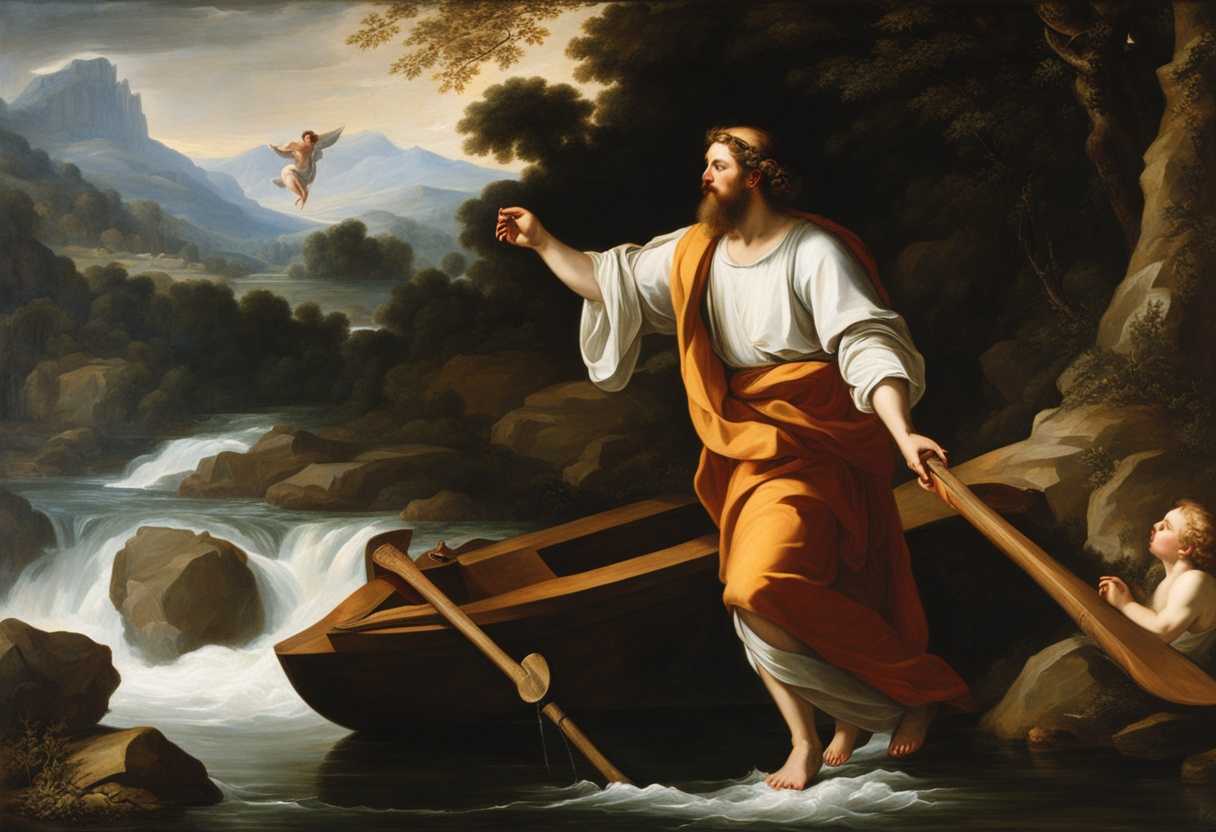
Scripture
1 Now the sons of the prophets said to Elisha, “See, the place where we dwell under your charge is too small for us.
2 Let us go to the Jordan and each of us get there a log, and let us make a place for us to dwell there.” And he answered, “Go.”
3 Then one said, “Please come with your servants.” And he answered, “I will come.”
4 So he went with them. And when they came to the Jordan, they cut down trees.
5 But as one was felling a log, his axe head fell into the water, and he cried out, “Alas, my master! It was borrowed.”
6 And the man of God said, “Where did it fall?” When he showed him the place, he cut off a stick and threw it in there and made the iron float.
7 Therefore he said, “Take it up.” So he reached out his hand and took it.
Meaning of the Floating Axe Head in the Bible
The floating axe head story in 2 Kings 6:1-7 serves as a profound illustration of God’s sovereignty over the natural world and His intimate involvement in the lives of His people. When the prophets, under Elisha’s leadership, are working near the Jordan River and one loses an axe head—a tool essential for their labor—their distress reflects a greater theological truth about reliance on God in seemingly mundane matters. Elisha’s miraculous act of causing the axe head to float signifies not only God’s control over the physical laws of the universe but also His attentiveness to the needs of His followers, no matter how trivial those needs may seem. This connects to God’s promise in Philippians 4:19, where it is stated, “And my God will supply every need of yours according to his riches in glory in Christ Jesus.”
Furthermore, this narrative emphasizes the theme of faith and divine assistance. The act of throwing a stick into the water—a simple, perhaps foolish action from a human perspective—results in the miraculous retrieval of the axe head, illustrating how God often uses the ordinary to achieve the extraordinary (1 Corinthians 1:27). In recognizing God’s provision in our daily struggles, we are reminded that He cares deeply about the burdens we carry, encouraging us to approach Him with our needs in faith, as highlighted in Matthew 7:7, where Jesus invites us to ask, seek, and knock. Thus, the floating axe head story encapsulates not only a miracle of restoration but also a lesson in faith, showing that God’s presence and provision extend into all areas of life, reaffirming that He is involved in both the grand and the minute details of our existence.
The story of the floating axe head also underscores the theme of community and leadership within the people of God. The prophets working together reflect a communal aspect of faith where support is garnered through shared experiences and mutual dependence on divine intervention. Elisha’s role as the leader signifies that guidance and wisdom are crucial in navigating challenges, illustrating the importance of having a strong spiritual leader who can facilitate connection with God’s power in times of need. This notion resonates with the broader biblical idea of the body of Christ where various members work together, each fulfilling their purpose, to achieve a common goal under divine authority and provision.
Additionally, the floating axe head serves as a metaphor for restoration and hope. In a society that often values productivity and success, the loss of an essential tool can symbolize setbacks that lead to discouragement. Yet the miraculous retrieval showcases not only God’s power to restore what is lost but also invites believers to reflect on their own spiritual ‘tools’ that may have faltered. The narrative implores us to consider what we need to surrender to God—be it talents, relationships, or faith itself—so that He might reinvigorate our purpose and direction. The act of recovering the axe head encourages a reliance on divine solutions amid our seemingly insurmountable problems, reinforcing the belief that God is actively involved, ensuring that the work we undertake for His glory continues unimpeded, even when we face loss or difficulty.
Divine Intervention in Everyday Life
The story of the floating axe head illustrates how God is involved in the mundane aspects of our lives. The miraculous event of the axe head floating to the surface serves as a reminder that divine assistance is available even in our daily struggles and tasks. It emphasizes that no concern is too trivial for God, and He is willing to intervene in our lives to help us with our needs, no matter how small they may seem.
The Importance of Faith and Trust
This narrative also highlights the significance of faith and trust in God. The prophet’s reliance on God to recover the lost axe head demonstrates a deep belief in divine provision. It encourages believers to trust in God’s ability to provide solutions to their problems, reinforcing the idea that faith can lead to miraculous outcomes. This story serves as a reminder that when we face challenges, turning to God with faith can lead to unexpected resolutions.
Restoration and Redemption
The floating axe head can symbolize the themes of restoration and redemption. The loss of the axe head represents a loss of purpose or capability, while its miraculous return signifies the restoration of what was lost. This can be interpreted as a broader message about God’s ability to restore our lives, relationships, and spiritual journeys. It reassures believers that even when they feel they have lost their way or their resources, God can bring about restoration and renewal.
How to Embrace Faith for Personal Restoration and Growth
Embracing faith for personal restoration and growth is a transformative journey that begins with a sincere heart and an open mind. Start by immersing yourself in Scripture, allowing the words of the Bible to speak to your soul and guide your actions. Prayer is your lifeline—don’t hesitate to pour out your thoughts, fears, and hopes to God, inviting Him into every aspect of your life. Surround yourself with a community of believers who can uplift and encourage you, sharing in both your struggles and triumphs. Remember, faith is not just a feeling but a commitment to trust in God’s plan, even when the path seems unclear. As you cultivate this relationship, you’ll find that restoration often comes in unexpected ways, leading to profound personal growth and a deeper understanding of God’s love and purpose for you. Embrace the journey, knowing that every step taken in faith brings you closer to the person you are meant to be.
Bible References to the Floating Axe Head:

Reverend Michael Johnson is an experienced Church Minister with a profound expertise in spirituality and guidance. With a serene presence and a compassionate heart, he has faithfully served his congregation for over 20 years, leading them on a spiritual journey towards inner peace and enlightenment. Reverend Johnson’s extensive knowledge of religious philosophies and profound understanding of human nature have made him a trusted confidant and mentor to many, as he seamlessly weaves his profound wisdom into life teachings. Reverend Johnson’s calming demeanor and empathetic nature continue to uplift and heal souls, nurturing a sense of unity and tranquility within his community.