
The phrase “not rounding the heads” comes from Leviticus 21:5, where it is part of the instructions given to the priests regarding their appearance. It signifies that priests should not engage in practices of self-mutilation or altering natural bodily features, maintaining a standard of holiness and distinctiveness in their service to God.
Scripture
27 You shall not round off the hair on your temples or mar the edges of your beard.
28 You shall not make any cuts on your body for the dead or tattoo yourselves: I am the Lord.
“Not Rounding the Heads” Bible Verse Meaning
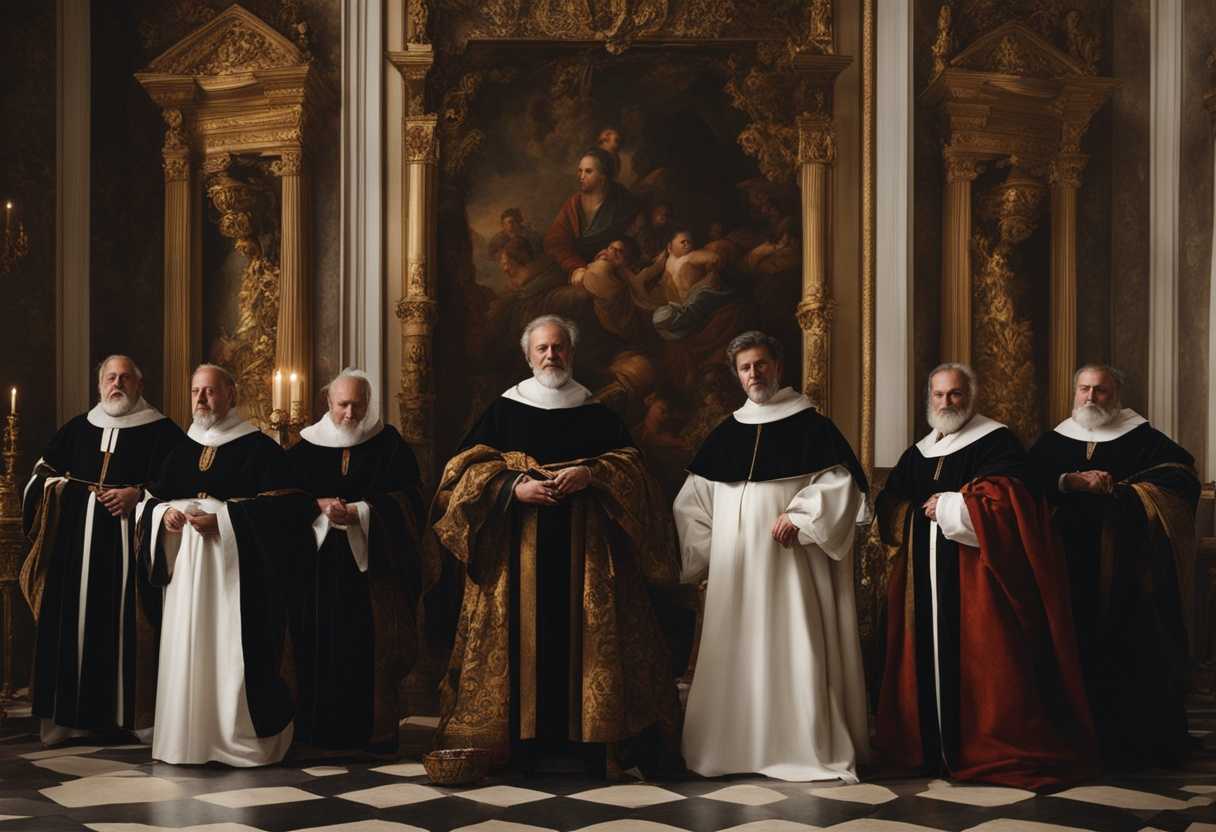
The phrase “not rounding the heads” in Leviticus 21:5 refers to a specific prohibition against certain grooming practices among priests, highlighting the broader biblical theme of holiness and distinction in worship. This directive is situated within a larger set of laws that underscore the unique role of the priests as mediators between God and the people of Israel. Their appearance was meant to reflect their sacred duty, symbolizing purity and a life set apart for divine service. The instruction against “rounding the heads” can be interpreted as a call to avoid practices common in pagan worship or cultural rituals that devalue the body or promote self-harm, reinforcing the concept of holiness that is pivotal throughout the Torah.
Moreover, this commandment emphasizes the importance of maintaining one’s identity as a member of God’s chosen people. Throughout Scripture, we see a recurring theme of how outward appearances and practices signify an internal relationship with God. For instance, 1 Peter 2:9 speaks to believers as a “royal priesthood,” called to reflect God’s character in a broken world. The prohibition in Leviticus serves not only as a guideline for priests but extends to the broader understanding of how God values the integrity and purpose of His people’s lives. It encourages a holistic approach to holiness that encompasses not just outward appearance but also the motivations and practices that stem from a deep commitment to God’s covenant and His expectations for a community devoted to His service.
In exploring the meaning behind the phrasing “not rounding the heads,” it is essential to consider the cultural and historical context of the ancient Israelites. Grooming habits often reflected the spiritual and communal identity of a people, and deviation from established practices could lead to a blurring of one’s committed relationship with God. This commandment was given during a time when the Israelites were expected to distinguish themselves from surrounding nations, many of whom engaged in rituals that were contrary to the worship of Yahweh. The specific prohibition implies that adherence to these laws served as a protective measure to maintain the purity of worship and the community’s identity, reminding the priests and the people that their lives were to be an embodiment of their covenant with God.
Additionally, this notion can be seen as part of a broader biblical narrative that examines the significance of outward signs and symbols of divine allegiance. For example, the act of physical circumcision, as described in Genesis and reiterated throughout the Torah, also serves to demarcate the Israelites from other nations, much like the grooming regulations for priests. Such mandates emphasize the value placed on the visible aspects of faith—a commitment to holiness as a reflection of an internalized relationship with God. The call to be separate and distinct also resonates in New Testament teachings, where believers are encouraged to live out their faith through their actions, thus demonstrating the transformative nature of their relationship with God. Ultimately, these directives—whether related to grooming or other aspects of life—are rooted in the foundational call to holiness, serving as a reminder that the pursuit of a life set apart for God is both a personal and communal endeavor.
Symbol of Holiness and Separation
The phrase “not rounding the heads” can be interpreted as a symbol of holiness and separation from worldly practices. In biblical contexts, physical appearances often reflect spiritual states. By refraining from altering their hair in a specific manner, individuals signify their commitment to a life set apart for God. This act serves as a reminder of their unique identity and purpose, emphasizing the importance of maintaining a distinct lifestyle that honors divine principles.
Commitment to Spiritual Integrity
Another broader meaning of “not rounding the heads” relates to the commitment to spiritual integrity. This practice can be seen as a metaphor for avoiding conformity to societal norms that contradict one’s faith. By choosing not to engage in certain behaviors or appearances, believers demonstrate their dedication to upholding their values and principles. This commitment fosters a deeper relationship with God and encourages others to recognize the importance of living authentically according to one’s beliefs.
Reflection of Inner Character
The phrase can also be understood as a reflection of inner character. The act of not rounding the heads may symbolize the importance of inner beauty and moral integrity over outward appearances. In biblical teachings, the focus is often placed on the heart and character of an individual rather than external attributes. This perspective encourages believers to cultivate virtues such as humility, kindness, and righteousness, which ultimately define their true identity in the eyes of God.
How to Live a Holy and Obedient Life in Christ
Living a holy and obedient life in Christ is a journey that requires both intention and grace. It begins with a sincere desire to know Him more deeply, which can be nurtured through regular prayer, reading Scripture, and engaging in fellowship with other believers. As you immerse yourself in God’s Word, you’ll discover His character and His will for your life, which will guide your decisions and actions. Remember, obedience isn’t about perfection; it’s about a heart that seeks to align with God’s desires. When you stumble—and we all do—embrace His forgiveness and allow it to propel you forward rather than hold you back. Surround yourself with a community that encourages you, and be open to the Holy Spirit’s leading in your daily life. Ultimately, living a holy life is about reflecting Christ’s love and grace to those around you, so let your actions be a testament to the transformative power of His presence in your life.
Bible References to “Not Rounding the Heads”:
Leviticus 21:5-6: 5 They shall not make bald patches on their heads, nor shave off the edges of their beards, nor make any cuts on their body.
6 They shall be holy to their God and not profane the name of their God. For they offer the Lord’s food offerings, the bread of their God; therefore they shall be holy.
Deuteronomy 14:1-2: 1 “You are the sons of the Lord your God. You shall not cut yourselves or make any baldness on your foreheads for the dead.”
2 for you are a people holy to the Lord your God, and the Lord has chosen you to be a people for his treasured possession, out of all the peoples who are on the face of the earth.
Jeremiah 9:25-26: 25 “Behold, the days are coming, declares the Lord, when I will punish all those who are circumcised merely in the flesh—”
26 Egypt, Judah, Edom, the sons of Ammon, Moab, and all who dwell in the desert who cut the corners of their hair, for all these nations are uncircumcised, and all the house of Israel are uncircumcised in heart.”
Ezekiel 44:20-21: 20 They shall not shave their heads or let their locks grow long; they shall surely trim the hair of their heads.
21 No priest shall drink wine when he enters the inner court.

Reverend Ogunlade is a seasoned Church Minister with over three decades of experience in guiding and nurturing congregations. With profound wisdom and a serene approach, Reverend Ogunlade has carried out various pastoral duties, including delivering uplifting sermons, conducting religious ceremonies, and offering sage counsel to individuals seeking spiritual guidance. Their commitment to fostering harmony and righteousness within their community is exemplified through their compassionate nature, making them a beloved and trusted figure among the congregation.