
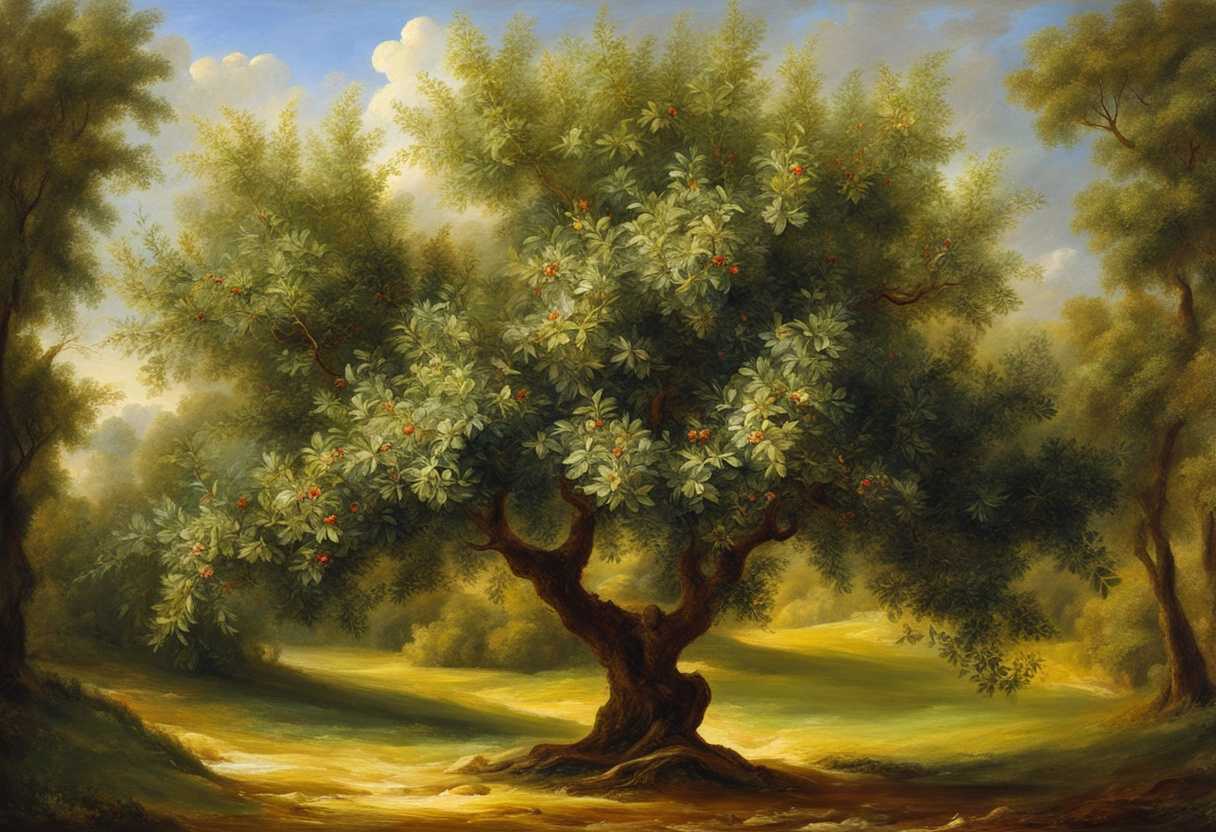
In the Bible, the green olive tree symbolizes peace, prosperity, and divine blessing. It is often associated with Israel and God’s covenant with His people, representing resilience and longevity (Jeremiah 11:16; Psalm 52:8).
Scripture
8 But I am like a green olive tree in the house of God. I trust in the steadfast love of God forever and ever.
9 I will thank you forever, because you have done it. I will wait for your name, for it is good, in the presence of the godly.
Meaning of the Green Olive Tree in Scripture
The green olive tree in the Bible serves as a profound symbol of peace, prosperity, and divine blessing, particularly within the context of God’s covenant with Israel. In Jeremiah 11:16, God refers to Israel as a “green olive tree, fair and of goodly fruit,” illustrating not only Israel’s favored status among nations but also its role as a source of sustenance and hope. This imagery of the olive tree extends to suggest longevity and resilience, as olive trees can thrive for centuries, standing as a metaphor for God’s enduring relationship with His people. The olive tree is synonymous with the spirit of peace, highlighted in Psalm 52:8, where the righteous are likened to flourishing olive trees in the house of God, emblematic of positions of favor and blessing within His presence.
Moreover, the olive tree’s oil, used for anointing and illuminating, further extends its symbolism. In the biblical narrative, the anointing oil represented God’s presence and empowerment, as seen in the anointing of kings and priests (1 Samuel 16:13). In this manner, the green olive tree not only signifies a covenantal relationship but also the blessings and responsibilities that come with it, evoking a sense of hope for restoration and renewal. This theme resonates throughout the Scriptures, highlighting how, just as the olive tree endures through adversity, so too does God’s faithfulness to His people, nurturing them through trials and leading them back to a place of abundance and communion with Him. Thus, the olive tree stands as a multifaceted emblem of divine grace, continuity, and the promise of peace in the biblical narrative.
The green olive tree also holds a significant place in the imagery used by the prophets to convey messages of restoration and hope for the future. For instance, in Zechariah’s visions, the olive tree appears as a source of divine light and empowerment, signifying God’s ongoing guidance and support for His people. This prophetic imagery underscores that, much like the steady growth of an olive tree, God’s plans for His people will persevere despite surrounding challenges. The olive tree represents not just the potential for physical sustenance and prosperity, but also spiritual nourishment, illustrating the constant flow of God’s grace through the Spirit.
Furthermore, the olive tree’s cultivation practices and the process of harvesting can be seen as allegorical of divine nurturing and the human response to God’s love. In the parable of the vineyard, Jesus emphasizes the care that a diligent landowner provides, which parallels the attentive relationship between God and Israel. The imagery of pruning and grafting in relation to olive trees serves as an apt metaphor for God’s work in refining His people, making way for new growth and deeper faith. This cultivation not only depicts God’s initiative in the lives of the faithful but also invites responses of obedience and faithfulness, reinforcing the communal aspect of faith. Thus, the green olive tree weaves through biblical texts as a dynamic symbol, radiating themes of hope, divine sustenance, and the promise of renewal in the lives of those who seek God.
Symbol of Peace and Prosperity
The green olive tree is often associated with peace and prosperity in biblical literature. Its fruit, the olive, is a source of oil, which has been used for anointing, cooking, and lighting lamps. The presence of olive trees in a land signifies fertility and abundance, reflecting God’s blessings upon His people. This symbolism extends to the idea of a harmonious relationship with God, where the faithful are likened to flourishing olive trees, thriving under divine care.
Representation of God’s Faithfulness
The olive tree also serves as a powerful symbol of God’s faithfulness and enduring covenant with His people. Just as the olive tree can live for many years and continues to bear fruit, it represents the steadfastness of God’s promises. The imagery of the olive tree conveys the idea that, despite trials and tribulations, God’s love and commitment to His people remain constant, providing hope and assurance of His presence throughout generations.
Metaphor for Spiritual Growth
In a spiritual context, the green olive tree can be seen as a metaphor for growth and maturity in faith. The process of cultivating an olive tree requires patience and care, paralleling the journey of a believer who seeks to grow in their relationship with God. The tree’s ability to produce fruit over time symbolizes the spiritual fruits that emerge from a life dedicated to God, such as love, joy, and peace, highlighting the transformative power of faith in one’s life.
How to Embrace Peace and Live Sustainably as a Christian
Embracing peace and living sustainably as a Christian is a beautiful journey that intertwines our faith with our daily choices. Start by reflecting on the teachings of Jesus, who called us to be peacemakers (Matthew 5:9) and stewards of creation (Genesis 2:15). This means not only fostering harmony in our relationships but also caring for the environment that God entrusted to us. Consider simple, intentional actions like reducing waste, supporting local farmers, or using public transport, which can all contribute to a more sustainable lifestyle. Pray for guidance in making choices that honor both God and His creation, and remember that every small step counts. By cultivating a heart of gratitude and mindfulness, we can create ripples of peace in our communities while honoring the earth, reflecting the love of Christ in all we do.
Bible References to the Green Olive Tree:
Jeremiah 11:16-17: 16 The Lord once called you ‘a green olive tree, beautiful with good fruit.’ But with the roar of a great tempest he will set fire to it, and its branches will be consumed.
17 The Lord of hosts, who planted you, has decreed disaster against you, because of the evil that the house of Israel and the house of Judah have done, provoking me to anger by making offerings to Baal.
Hosea 14:4-6: 4 I will heal their apostasy; I will love them freely, for my anger has turned from them.
5 I will be like the dew to Israel;
he shall blossom like the lily;
he shall take root like the trees of Lebanon;
6 his shoots shall spread out;
his beauty shall be like the olive,
and his fragrance like Lebanon.
Romans 11:16-18: 16 If the dough offered as firstfruits is holy, so is the whole lump, and if the root is holy, so are the branches.
11 But if some of the branches were broken off, and you, although a wild olive shoot, were grafted in among the others and now share in the nourishing root of the olive tree,
18 do not be arrogant toward the branches. If you are, remember it is not you who support the root, but the root that supports you.
Zechariah 4:11-14: 4 Then I said to him, “What are these two olive trees on the right and the left of the lampstand?”
12 And I said to him, “What are these two olive branches that are beside the two golden pipes from which the golden oil is poured out?”
13 He said to me, “Do you not know what these are?” I said, “No, my lord.”
14 Then he said, “These are the two anointed ones who stand by the Lord of the whole earth.”
Revelation 11:3-4: 3 And I will grant authority to my two witnesses, and they will prophesy for 1,260 days, clothed in sackcloth.
4 These are the two olive trees and the two lampstands that stand before the Lord of the earth.

Rev. François Dupont is a dedicated church minister with a wealth of experience in serving spiritual communities. With a calm and serene demeanor, he has been devoted to sharing the message of love, compassion, and tolerance for over two decades. Through his thoughtful sermons, compassionate counseling, and unwavering support, Rev. Dupont has touched the lives of countless individuals, allowing them to find solace and strength during difficult times. His serene presence and deep understanding of the human condition make him a trusted guide for those seeking spiritual nourishment and guidance.