
In the Bible, Salem is often identified with Jerusalem and means “peace.” It appears in Genesis 14:18, where Melchizedek, king of Salem and priest of God Most High, blesses Abram, symbolizing a place of divine peace and righteousness.
Scripture
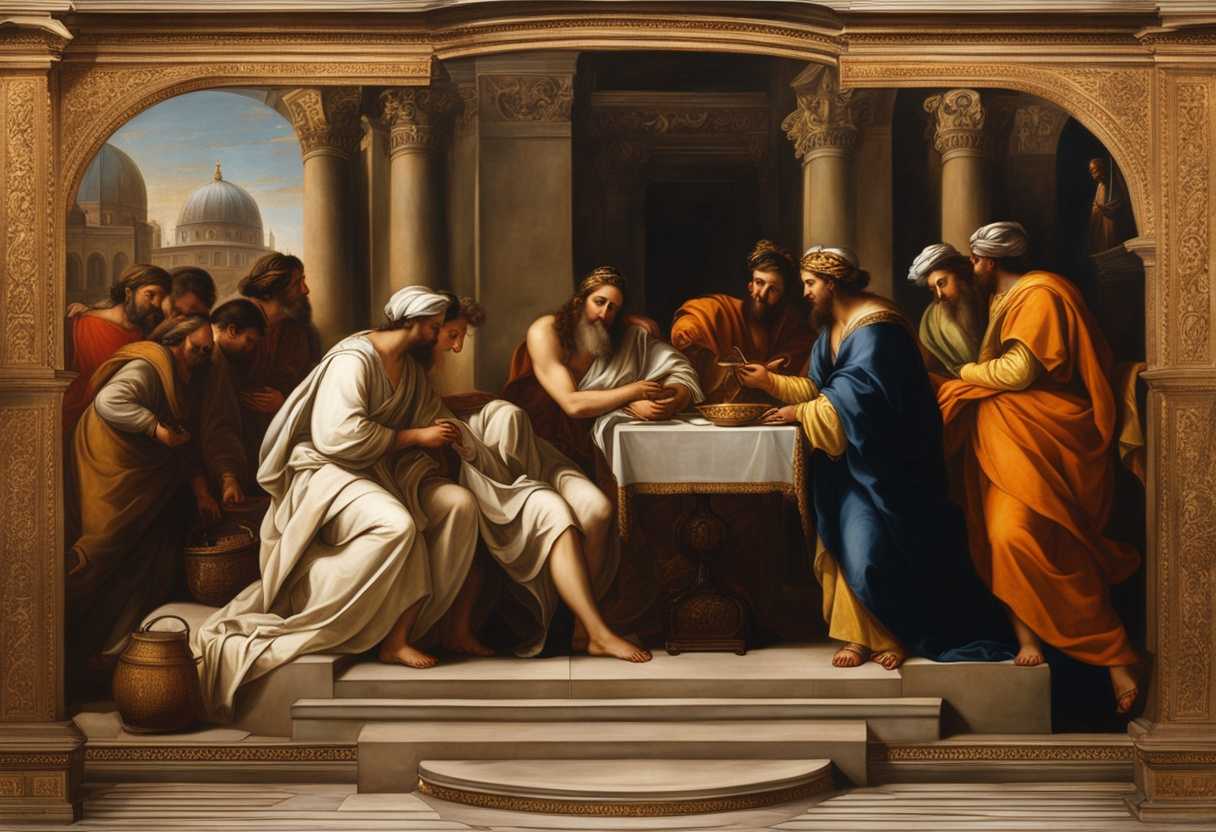
18 And Melchizedek king of Salem brought out bread and wine. He was priest of God Most High.
19 And he blessed him and said, “Blessed be Abram by God Most High, Possessor of heaven and earth;
20 And blessed be God Most High, who has delivered your enemies into your hand!” And Abram gave him a tenth of everything.
Meaning of Salem in the Bible
The meaning of Salem in the Bible, primarily associated with Jerusalem, carries profound theological significance. As noted in Genesis 14:18, Melchizedek, the king of Salem, embodies a unique intersection of royalty and priesthood, serving as a prefiguration of Christ. This dual role emphasizes the connection between peace (as denoted by “Salem”) and the righteousness coming from God. In this narrative, Melchizedek blesses Abram, asserting that divine peace and righteousness are foundational elements of God’s covenant with His people. This link between Salem and peace can also be seen in Psalm 122:6, which exhorts believers to pray for the peace of Jerusalem, thus underlining the city as a holy space where God’s presence dwells and where harmony among people is sought.
Furthermore, the concept of peace extends beyond mere absence of conflict; it embodies completeness, wholeness, and a restoration of relationships. In Isaiah 9:6, this idea of peace is poignantly captured in the prophecy of the coming Messiah, referred to as the “Prince of Peace.” The New Testament identifies Jesus with this peace, reinforcing the notion that true peace comes through a relationship with Him (Ephesians 2:14). Thus, Salem, as a representation of peace, signifies a deeper spiritual truth where reconciliation with God leads to peace within oneself and with others, highlighting its enduring importance throughout the biblical narrative.
In addition to its connection with priesthood and peace, Salem also represents a fulfillment of God’s promises and the establishment of His kingdom on earth. The legacy of Jerusalem as a city chosen by God is interwoven with themes of hope and restoration throughout Scripture. It serves as the geographical and spiritual heart of God’s redemptive plan for humanity, symbolizing a future where divine peace reigns supreme. In this context, the city of Salem becomes a beacon of hope for the Israelites, reminding them of God’s faithful presence amid trials and tribulations.
Moreover, Salem embodies the characteristics of divine sovereignty and healing. The prophetic literature often alludes to Jerusalem not only as a center for worship but also as a place of future restoration and fulfillment of God’s promises to His people. For instance, references to Jerusalem in the prophetic texts depict it as a future source of peace and a gathering place for nations, emphasizing the eschatological vision where God reigns, and His peace is fully realized. Through this lens, Salem transcends its initial historical and geographical aspects, becoming a profound symbol of the spiritual journey back to God, where believers can encounter His peace and presence, ultimately pointing towards the new heaven and new earth described in the Revelation narrative.
The Concept of Peace
The name “Salem” is often associated with the Hebrew word “shalom,” which means peace. In biblical contexts, Salem represents a place of tranquility and divine peace. This connection emphasizes the idea that true peace comes from God and is a fundamental aspect of His kingdom. The notion of peace in Salem serves as a reminder of the harmony that believers are called to pursue in their relationships with God and one another.
A Foreshadowing of Christ
Salem is also seen as a foreshadowing of Christ and His redemptive work. The city symbolizes a place where God’s presence dwells and where His covenant with humanity is established. This connection highlights the significance of Jesus as the ultimate High Priest and King, who brings reconciliation and salvation to all. The biblical narrative often points to the idea that through Christ, believers can experience the fullness of life and peace that Salem represents.
A Symbol of Divine Kingship
In the biblical narrative, Salem is often associated with kingship and authority. The figure of Melchizedek, who is both a king and a priest, emerges from Salem, illustrating the dual role of leadership in spiritual and temporal matters. This duality signifies that true leadership is rooted in righteousness and justice, reflecting God’s character. The concept of divine kingship in Salem serves as a model for how earthly leaders should govern, emphasizing the importance of aligning with God’s will and purpose.
How to Cultivate Peace and Righteousness in Your Life
Cultivating peace and righteousness in your life is a beautiful journey that begins with a sincere heart and a commitment to follow Christ’s teachings. Start by immersing yourself in prayer and scripture, allowing God’s Word to guide your thoughts and actions. Reflect on Philippians 4:6-7, which encourages us to present our worries to God, promising that His peace will guard our hearts. Surround yourself with a community of believers who uplift and challenge you to grow in faith, as iron sharpens iron (Proverbs 27:17). Practice forgiveness, both towards yourself and others, as it frees you from the burdens of resentment and opens the door to peace. Finally, seek opportunities to serve and love those around you, for in giving, we often find the deepest sense of fulfillment and righteousness. Remember, this is a daily commitment, and with each step, you’ll find yourself more aligned with the heart of Christ.
Bible References to the Meaning of Salem:
Hebrews 7:1-3: 1 For this Melchizedek, king of Salem, priest of the Most High God, met Abraham returning from the slaughter of the kings and blessed him,
2 and to him Abraham apportioned a tenth part of everything. He is first, by translation of his name, king of righteousness, and then he is also king of Salem, that is, king of peace.
3 He is without father or mother or genealogy, having neither beginning of days nor end of life, but resembling the Son of God he continues a priest forever.
Psalm 76:1-3: 1 In Judah God is known; his name is great in Israel.
2 His abode has been established in Salem, his dwelling place in Zion.
3 There he broke the flashing arrows, the shield, the sword, and the weapons of war. Selah
Hebrews 7:11-17: 11 Now if perfection had been attainable through the Levitical priesthood (for under it the people received the law), what further need would there have been for another priest to arise after the order of Melchizedek, rather than one named after the order of Aaron?
12 For when there is a change in the priesthood, there is necessarily a change in the law as well.
13 For the one of whom these things are spoken belonged to another tribe, from which no one has ever served at the altar.
14 For it is evident that our Lord was descended from Judah, and in connection with that tribe Moses said nothing about priests.
15 This becomes even more evident when another priest arises in the likeness of Melchizedek,
16 who has become a priest, not on the basis of a legal requirement concerning bodily descent, but by the power of an indestructible life.
17 For it is witnessed of him, “You are a priest forever, after the order of Melchizedek.”

Reverend Ogunlade is a seasoned Church Minister with over three decades of experience in guiding and nurturing congregations. With profound wisdom and a serene approach, Reverend Ogunlade has carried out various pastoral duties, including delivering uplifting sermons, conducting religious ceremonies, and offering sage counsel to individuals seeking spiritual guidance. Their commitment to fostering harmony and righteousness within their community is exemplified through their compassionate nature, making them a beloved and trusted figure among the congregation.